Normal Congestion but Weak in the Penile Area: Brew These Two Herbs in Water for a Drink
Today, I would like to discuss an issue that many men are concerned about but may find too awkward to mention outright—erectile dysfunction (impotence). Some men may notice that even though they have the desire, they struggle to perform when it matters most, experiencing insufficient hardness or short-lasting erections. They might also have symptoms such as dampness in the scrotum, a dry mouth with a bitter taste, and dark yellow urine. In the perspective of Traditional Chinese Medicine, this condition should not be simply attributed to "kidney deficiency," as deficient fire and damp-heat are often the key contributing factors.

Why Isn't It Simply "Kidney Deficiency"?
Many friends are full of energy when they are young, but they may not pay much attention to moderation. Coupled with habits such as high work pressure, greasy diet, staying up late frequently, and enjoying drinking and smoking, over time, it is easy to damage the body. Traditional Chinese Medicine believes that these bad habits can easily lead to two problems intertwining:
Floating of deficient fire (hyperactivity of deficient yang): Excessive consumption of kidney essence and insufficient yin fluid, like when there is less water in the pot, the fire appears particularly strong. This "deficient fire" rising upward can cause dry mouth and throat, restlessness and insomnia, dizziness, and tinnitus.
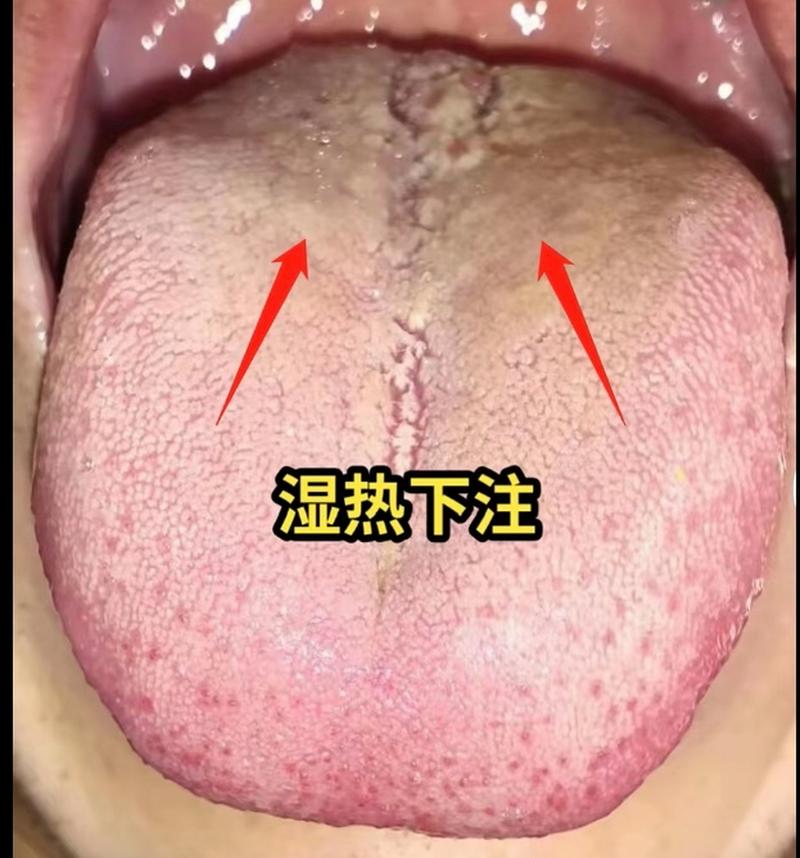
Damp-heat pouring downward: Preferring spicy and greasy foods, drinking alcohol, or having poor spleen and stomach transformation and transportation, leading to dampness that cannot be expelled, which accumulates and transforms into heat over time. Damp-heat descending and invading the lower jiao (kidneys, bladder, and reproductive areas) can cause dampness and itching in the scrotum, yellow or red urine with strong odor, and even frequent and urgent urination.
The combination of these two problems can directly affect male function:
Deficiency-fire disturbs the heart-mind, affecting control (easily leading to premature ejaculation).
Damp-heat obstructs the channels and collaterals of the lower jiao, causing impeded flow of qi and blood. Consequently, the ancestral sinews do not receive sufficient nourishment, leading to inadequate firmness, rapid softening, or even difficulty in achieving an erection. This is what Traditional Chinese Medicine commonly refers to as "laxity of the ancestral sinews."
Treatment approach: Clear deficiency-heat + Drain damp-heat
In addressing this condition of "deficiency-fire + damp-heat," the core of Traditional Chinese Medicine treatment is not to solely tonify the kidneys and strengthen yang (as heating herbs may exacerbate deficiency-fire and damp-heat), but rather to clear and reduce deficiency-heat while draining damp-heat, thereby restoring balance to the body.
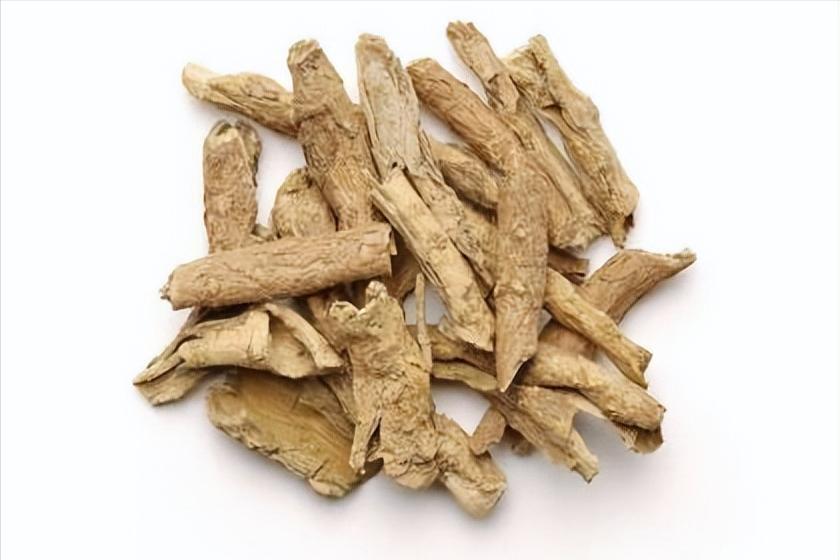
There is a simple and practical herbal combination commonly used to regulate such conditions: wolfberry root bark (Lycii Cortex) + large-leaved gentian root (Gentianae Macrophyllae Radix).
Wolfberry root bark (Lycii Cortex): It has a sweet taste and cold nature, capable of clearing deficiency heat and cooling the blood. It excels at clearing the "deficiency fire" caused by insufficient yin fluids, alleviating sensations of dryness and heat.
Large-leaved gentian root (Gentianae Macrophyllae Radix): It has a pungent, bitter taste and neutral nature, capable of clearing damp-heat, relaxing tendons, and unblocking collaterals. It excels at clearing damp-heat in the lower burner, dredging meridians obstructed by damp-heat, and improving the circulation of qi and blood.
The combination of these two herbs works synergistically, with one clearing deficiency heat in the upper part (addressing the symptoms) and the other dispelling damp-heat in the lower part (addressing the root cause). This helps improve symptoms caused by deficiency fire and damp-heat, such as erectile dysfunction, premature ejaculation, and accompanying issues like dampness, bitter taste in the mouth, and yellow urine. Both herbs are readily available at ordinary pharmacies and are relatively affordable.
Real-life Case:
I once treated a Mr. Chen, a 42-year-old businessman who frequently attended social events, smoked and drank heavily, and often stayed up late. Over the past year, he had noticed a significant decline in his sexual performance, experiencing poor erection quality, premature ejaculation, a persistent feeling of dampness and discomfort in the scrotum, a bitter taste in his mouth, and dark, foul-smelling urine. He had tried various kidney-tonifying supplements on his own, but they showed little effect and sometimes even made him feel more heat and dryness. Upon diagnosis, I observed that his tongue was reddish with a yellow and greasy coating, and his pulse was slippery and rapid. This was a classic case of Yin deficiency with fire hyperactivity combined with damp-heat in the lower Jiao. I recommended that he boil 10 grams of Lycii Cortex (Di Gu Pi) and 10 grams of Gentianae Macrophyllae Radix (Qin Jiao) in water to drink as tea, while strictly advising him to adjust his lifestyle: reduce late nights, quit smoking and alcohol, and adopt a light diet. After following this regimen for some time, he reported significant improvements: the dampness in his scrotum and the bitter taste in his mouth were noticeably reduced, his urine had become clearer, and, more importantly, there was real improvement in his sexual function and a restored sense of confidence. This case demonstrates that clearing deficiency heat and damp-heat can indeed be effective for such issues.
Important reminder:
Lycii Cortex plus Gentianae Macrophyllae Radix is one approach, not a universal remedy: Traditional Chinese Medicine emphasizes pattern differentiation and treatment. The causes of male dysfunction are complex and may include not only deficiency fire and damp-heat but also kidney Yang deficiency, liver Qi stagnation, blood stasis, and more. A professional TCM practitioner must assess whether this approach is suitable for you based on your specific symptoms, tongue coating, and pulse. Additional herbs may need to be added or subtracted to tailor the treatment.
Lifestyle is the foundation: No matter how effective the medication, it cannot counteract persistently unhealthy lifestyle habits. Quitting smoking, limiting alcohol, maintaining a regular schedule, eating a light diet, exercising appropriately, and managing stress are the fundamental ways to achieve improvement.
Avoid long-term self-administration: Traditional Chinese medicine conditioning requires adjustment based on changes in the body. After symptoms improve, whether to continue taking it or change the approach should be guided by a doctor's advice. Do not self-diagnose or blindly take it long-term on your own.
Focus on physical and mental health: Psychological stress, anxiety, and other emotional factors also significantly affect function. When necessary, addressing both physical and mental aspects can yield better results.