Sweating requires tonifying Qi, no sweating requires nourishing blood, sweat is the barometer of Qi and blood
Today, let’s talk about a very common signal from our body—abnormal sweating. Traditional Chinese Medicine places great importance on observing sweat because it directly reflects the surplus, deficiency, and circulation state of Qi, blood, and body fluids in the body.
Why do you feel more debilitated after sweating profusely?
For some people, especially those with a naturally weak constitution, even light physical activity can lead to profuse sweating, and after sweating, they tend to feel particularly exhausted, weak, and just want to lie down. This isn't just a matter of fluid loss. Traditional Chinese Medicine (TCM) states, "Qi follows the dissipation of fluids." This means that when sweat (body fluids) is lost in large quantities, the "Qi" that sustains life activities also dissipates and depletes. When Qi is deficient, its functions of promoting, consolidating, and warming weaken. Naturally, individuals will feel more fatigued, more sensitive to wind and cold, and even experience a decline in resistance.
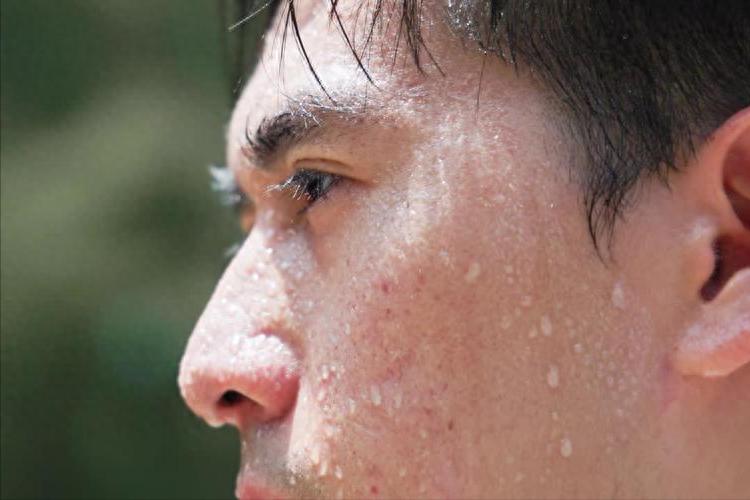
What should be done in such cases? Is drinking water enough?
Definitely not! Simply replenishing fluids only addresses the body fluids (the symptom), but the lost Qi (the root cause) remains unreplenished. It's like a leaking bucket—just adding water won't solve the problem; the bucket must be repaired first. Therefore, the core principle is to tonify Qi and consolidate the exterior. When Qi is sufficient, it can, on one hand, promote the normal distribution of body fluids and, on the other, consolidate the sweat pores to reduce unnecessary sweating (spontaneous sweating). For regulation, one can refer to the classic formula Si Jun Zi Tang (Ginseng, Atractylodes, Poria, and Licorice). This formula is gentle and focuses on tonifying the Qi of the spleen and stomach. The spleen and stomach are the source of Qi and blood production. When the Qi of the spleen and stomach is abundant, the Qi of the entire body has its source, and the ability to consolidate sweat naturally improves.
Then why do some people sweat very little?
There are also some friends who are just the opposite—even in the height of summer, they hardly sweat at all, or after exercising, while others are drenched in sweat, they only break a light sweat. At the same time, they may also experience: a pale complexion and lips, lack of color, susceptibility to dizziness and blurred vision, poor memory, and an overall appearance of being listless and lacking energy. What is the reason for this?
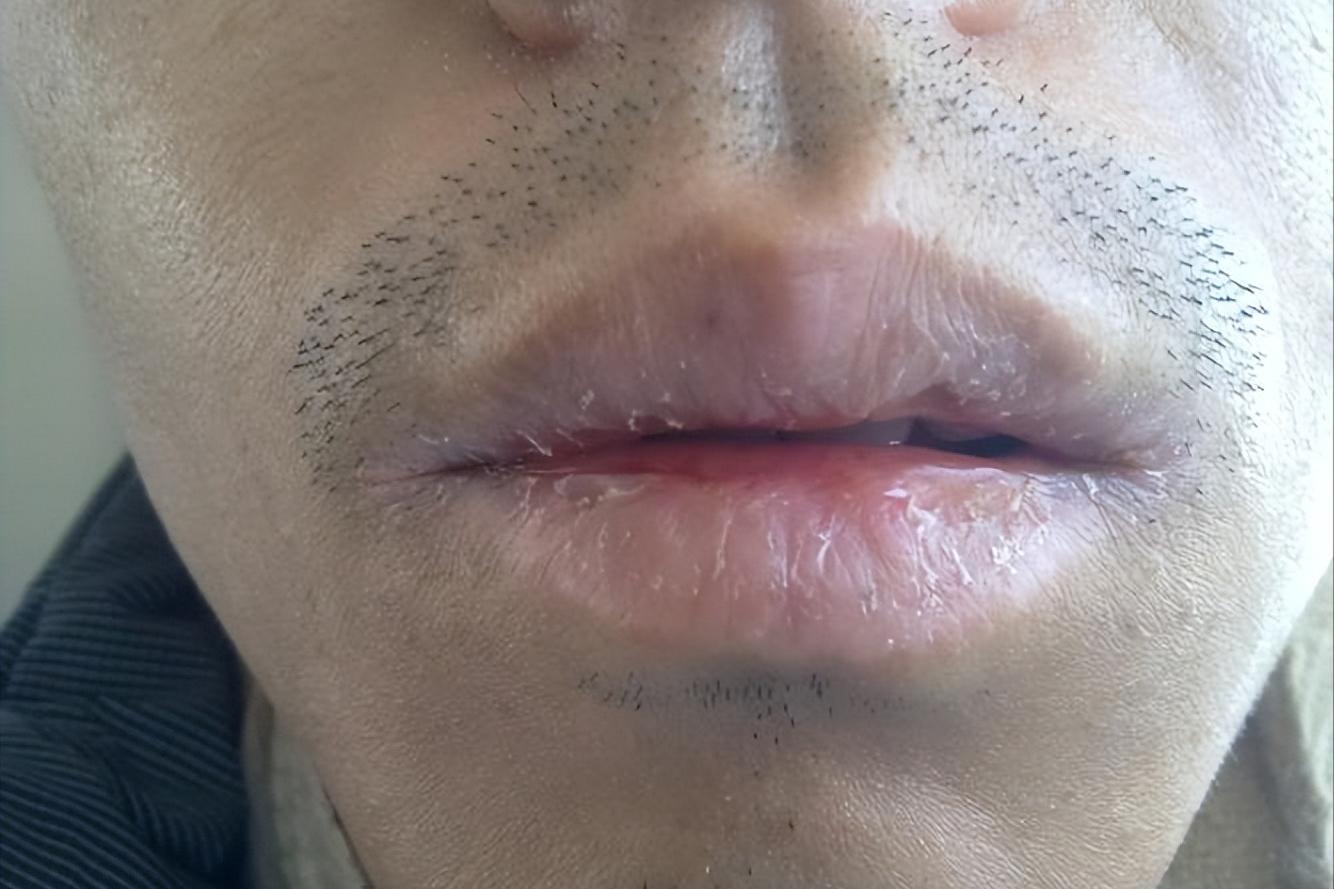
In traditional Chinese medicine, there is a saying: "Body fluids and blood share the same source." Sweat is a part of body fluids, and both body fluids and blood are transformed from the essence of food and drink. The two can transform into each other and influence each other. When there is blood deficiency (insufficient blood), the production of body fluids in the body will also be insufficient. With a reduced total volume of body fluids, the source that can transform into sweat naturally becomes deficient, leading to less sweating. This is like a reservoir that itself is poorly filled with water (blood deficiency)—the water flow in the downstream river (sweat) will certainly be reduced as well.
How can this condition be regulated?
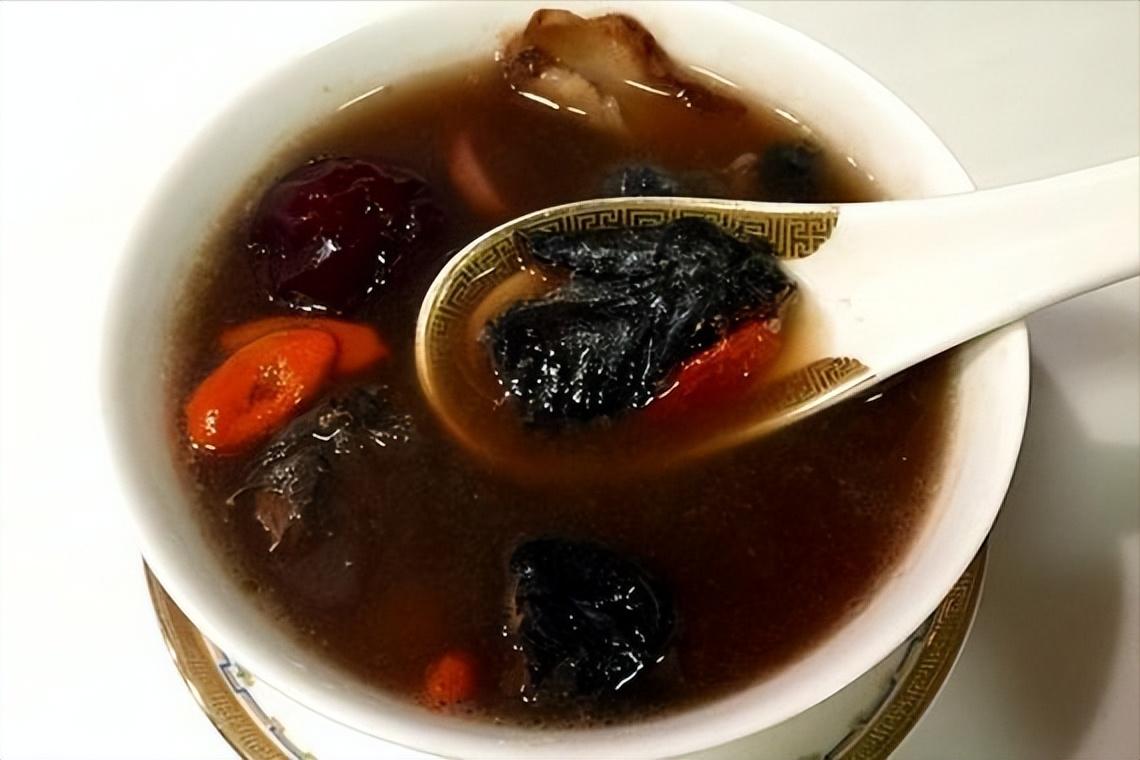
The key lies in nourishing and enriching the blood. One can refer to the principles of the Four Substances Decoction (Si Wu Tang), composed of cooked rehmannia root, Chinese angelica root, white peony root, and Szechuan lovage root. This formula not only replenishes the "quantity" of blood (tonifying the blood), but also promotes smoother blood circulation (activating the blood), preventing the newly replenished blood from becoming "stagnant blood" and causing blockages. This achieves the effect of nourishing without stagnation, and activating without harm. When blood is sufficient, the source for the production of body fluids is ample, and sweating can gradually return to normal.
Two Real Cases:
Case 1 (Excessive Sweating, Qi Deficiency): I once treated a patient, Teacher Liu, aged 45. He usually spoke softly, often complained of fatigue, and would become short of breath and drenched in sweat after climbing just a few flights of stairs, often soaking the back of his clothes. In summer, he was particularly sensitive to wind, feeling uncomfortable even with a little air conditioning. This is a classic case of Qi deficiency failing to secure sweat. Based on Si Jun Zi Tang, I added Huangqi (Astragalus) and Fuxiaomai (Blighted Wheat) to enhance the formula’s ability to replenish Qi, strengthen the exterior, and stop sweating. After over a month of treatment, he reported a significant reduction in sweating, less breathlessness when climbing stairs, and a noticeable improvement in energy levels.
Case Two (Sweating Deficiency, Blood Deficiency): There was also a Ms. Li, aged 38, who had felt unwell since giving birth. The most noticeable symptom was that she hardly sweated, which made her particularly uncomfortable during the hot and humid summers, and her skin was dry. Her complexion was pale, her lips were pale in color, her hair was dry and falling out more than usual, and she often complained of dizziness and poor memory. Her tongue was pale in color. This is a typical case of postpartum blood deficiency, where the production of body fluids is insufficient. I prescribed her the Four-Substance Decoction as a foundation, combined with some herbs to invigorate the spleen, boost qi, and promote fluid generation, tailored to her specific condition. After about two months of adjustment, she felt her body was less dry, her skin had become slightly more moist, she began to sweat slightly in the summer, and her dizziness and fatigue had improved.
Doctor Wang's Reminder:
Sweating is an important regulatory function of the body. Excessive or insufficient sweating may indicate issues with qi, blood, or body fluids. Profuse sweating, sweating easily with fatigue, often points to qi deficiency failing to secure the exterior; minimal sweating accompanied by a pale complexion and listlessness often points to blood deficiency and insufficient fluids. Only by identifying the root cause can adjustment be effective. The Four-Gentlemen Decoction and Four-Substance Decoction are classic foundational formulas, but their specific application requires adjustments based on individual constitution and symptoms. Do not blindly follow prescriptions on your own. Be sure to consult with a professional Chinese medicine practitioner for syndrome differentiation and medication guidance. This is the key to safety and effectiveness.