Master the 72 Transformations of Liuwei Dihuang Pills, and Most Kidney Deficiencies in the World Can Be Easily Tackled
Today, I'd like to chat with you about the versatile applications of Liuwei Dihuang Pills. By mastering these methods, you can easily address most kidney deficiency issues.
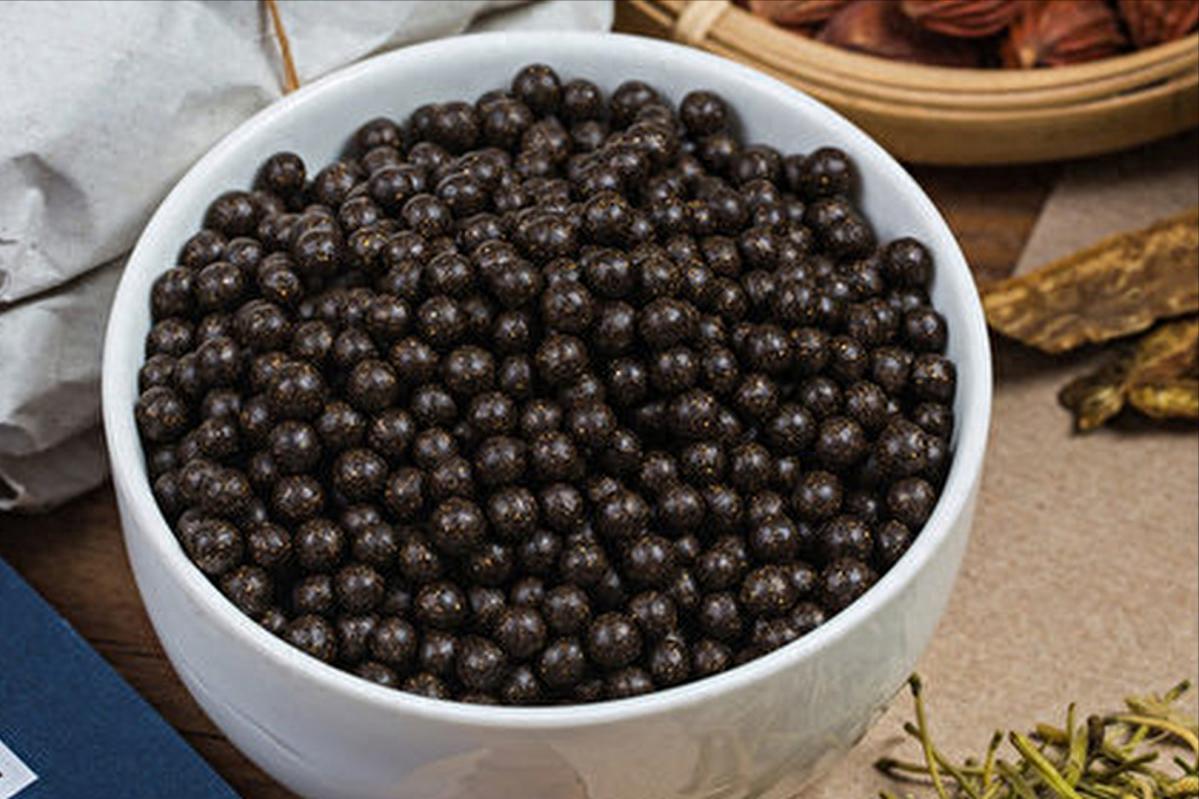
Let's start by talking about Liuwei Dihuang Pills themselves. The original formula is primarily aimed at nourishing Yin. In Traditional Chinese Medicine, the kidneys govern the bones and generate marrow. When kidney Yin is insufficient, the bones and marrow do not receive adequate nourishment, which can lead to symptoms like soreness and weakness in the lower back and knees. Additionally, since the kidneys open into the ears, a deficiency in kidney Yin can result in inadequate nourishment of the ears, potentially causing dizziness, blurred vision, tinnitus, or hearing loss. Furthermore, insufficient kidney Yin can lead to the generation of deficient internal fire, which disrupts the heart and spirit, causing restlessness, insomnia, and symptoms such as hot flashes and night sweats. Therefore, Liuwei Dihuang Pills are particularly suitable for individuals displaying these Yin deficiency symptoms.
If you add anemarrhena and phellodendron bark to Liuwei Dihuang Wan, it becomes Zhibai Dihuang Wan. In traditional Chinese medicine, both anemarrhena and phellodendron bark have the effects of clearing heat and reducing fire. Some male friends, due to yin deficiency with fire effulgence, may experience nocturnal emissions, premature ejaculation, and often feel dry mouth and throat, with yellow and scanty urine. At this time, using Zhibai Dihuang Wan can enhance the fire-reducing effect and regulate these symptoms of yin deficiency with fire effulgence.
Next, let’s talk about adding schisandra chinensis, which forms Qiwei Duqi Wan. The kidneys govern the reception of qi, like a container that holds qi. If the kidneys fail to receive qi, a person may easily sweat, become breathless after walking a few steps, and experience soreness and weakness in the waist and knees to the point of being unable to walk. Qiwei Duqi Wan specifically targets and regulates these manifestations of the kidneys failing to receive qi.
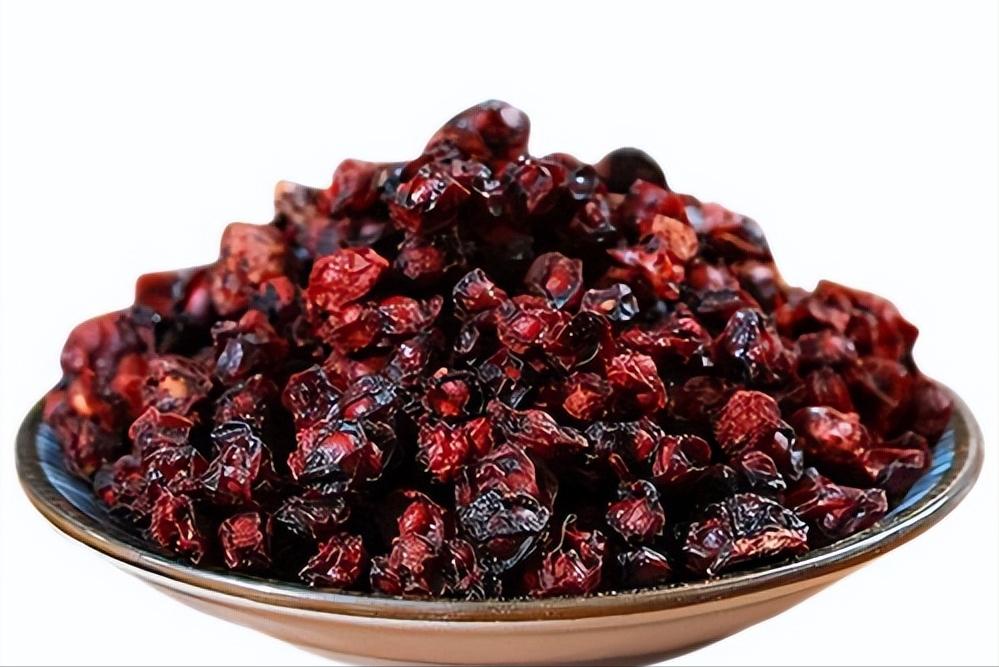
If you add schisandra chinensis and ophiopogon japonicus, it becomes Maiwei Dihuang Wan. The lungs govern qi and control respiration, while the kidneys govern the reception of qi. The lungs and kidneys work together to ensure smooth breathing. Ophiopogon japonicus can nourish lung yin, schisandra chinensis can astringe lung qi, and combined with Liuwei Dihuang Wan nourishing kidney yin, it can have the effects of nourishing the lungs and kidneys, relieving cough, and calming panting. It is suitable for those with cough, asthma, a persistent feeling of phlegm that cannot be coughed up, dry throat, as well as tidal fever and night sweats.
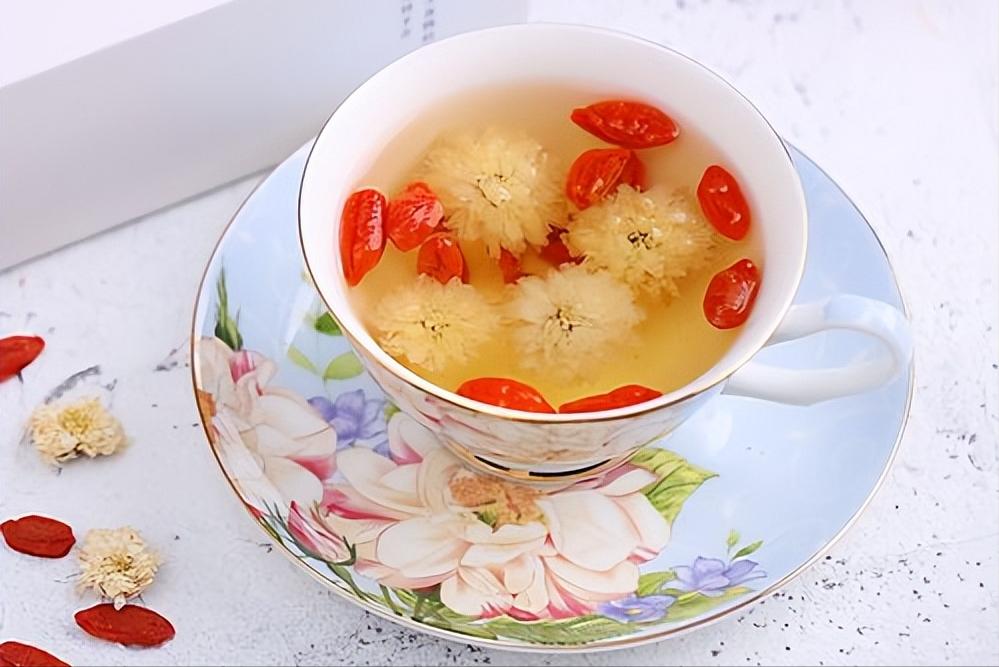
If you also experience dry and astringent eyes, tearing in the wind, blurred vision, and decreased visual acuity, it is mostly due to liver-kidney yin deficiency. Traditional Chinese medicine states that the liver opens into the eyes, and the liver and kidneys share the same source. Deficiency of kidney yin can affect liver yin. At this time, you can add wolfberry and chrysanthemum to form Qiju Dihuang Wan. Wolfberry can nourish liver and kidney yin, while chrysanthemum can clear the liver and brighten the eyes, thus nourishing both the liver and kidneys and specifically regulating symptoms of liver-kidney yin deficiency.
Additionally, if Chinese Angelica root and white peony root are added, it can have the effect of nourishing the blood, softening the liver, and replenishing the kidneys with yin. Both Chinese Angelica root and white peony root are blood-tonifying herbs. Some individuals with yin deficiency and insufficient blood may experience severe dizziness, palpitations, a sallow complexion, and soreness in the lower back and weakness in the legs. The combination of Chinese Angelica root and white peony root with Liuwei Dihuang Wan results in Guishao Dihuang Wan, which can regulate conditions of yin deficiency and blood deficiency.
Moreover, if a small amount of cinnamon bark is added, it can guide the fire back to its source, forming Qiwai Dihuang Wan. In traditional Chinese medicine, deficiency-fire flaming upward is likened to flames rising upward. Cinnamon bark can guide this deficiency-fire back to the kidneys, allowing it to return to its proper place. This formula is suitable for regulating symptoms of deficiency-fire flaming upward, such as loose and painful teeth, facial flushing, restlessness and heat sensations, and oral ulcers.
Lastly, if cinnamon bark and aconite are added, it becomes Guifu Dihuang Wan, which is primarily used to tonify kidney yang. Kidney yang is the root of the body's yang energy. When kidney yang is insufficient, individuals may experience aversion to cold, cold hands and feet, frequent nighttime urination, lack of energy during the day, and weakness in the limbs. Guifu Dihuang Wan is specifically designed to regulate these symptoms of kidney yang deficiency.
Alright, today's explanation on the various applications of Liuwei Dihuang Pills ends here, hope it helps everyone.