A Chinese patent medicine that tonifies the kidney and liver, replenishes essence and blood
In traditional Chinese medicine, deficiency of both the liver and kidney is much more troublesome than simple kidney deficiency and requires special attention. If you often feel weak all over, lack energy for anything, have weakened immunity, and catch colds easily, or if you get exhausted and out of breath with just a little activity, along with profuse sweating due to deficiency, and your lower back and knees feel weak, making it uncomfortable to stand or sit for too long, these symptoms actually signal that your liver and kidney may be insufficient.
Traditional Chinese medicine states that the liver and kidney share a common source, with the kidney storing essence and the liver storing blood, and essence and blood mutually nourish each other. When the liver and kidney are deficient, it is like a machine running without lubrication—operation becomes un smooth, and various physical ailments follow.
Today I'd like to introduce a traditional Chinese patent medicine — Duhuo Jisheng Wan. It's truly a "multi-tasker" that can tonify both the liver and kidneys, while also nourishing essence and blood.
This formula contains several key medicinal herbs. Du Huo (Angelica pubescens), Xi Xin (Asarum sieboldii), and Qin Jiao (Gentiana macrophylla) can dispel wind, remove dampness, scatter cold, and alleviate pain. In traditional Chinese medicine (TCM), it is believed that wind, cold, and dampness pathogens easily invade the human body, hide in bone joints, and cause joint pain and restricted movement. These herbs act like "scavengers," capable of driving out these pathogenic factors.
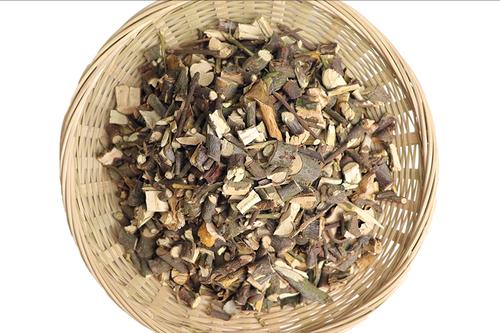
The three herbs Du Zhong (Eucommia ulmoides), Niu Xi (Achyranthes bidentata), and Sang Ji Sheng (Taxillus chinensis) can guide the medicine to its target meridians, specifically acting on the liver and kidneys, thereby tonifying the kidneys and strengthening the bones. If you frequently suffer from low back and leg pain, or if your lower back and legs are weak due to aging, these can come in very handy.
Finally, there are Chuan Xiong (Ligusticum chuanxiong), Bai Shao (Paeonia lactiflora), Dang Shen (Codonopsis pilosula), and Fu Ling (Poria cocos). Chuan Xiong invigorates blood and promotes qi circulation; Bai Shao nourishes blood and soothes the liver; Dang Shen and Fu Ling fortify the spleen and replenish qi. TCM theory states that the spleen is the foundation of postnatal life and the source of qi and blood production. By fortifying the spleen and replenishing qi, the body's qi and blood become sufficient, and liver blood and kidney essence can receive better nourishment.
This combination of medicinal herbs not only helps expel the wind, cold, and damp pathogens that invade the body, but also tonifies the liver and kidney, enriches essence and blood, and fortifies the spleen to boost qi. It is particularly suitable for alleviating various discomforts caused by liver and kidney deficiency.
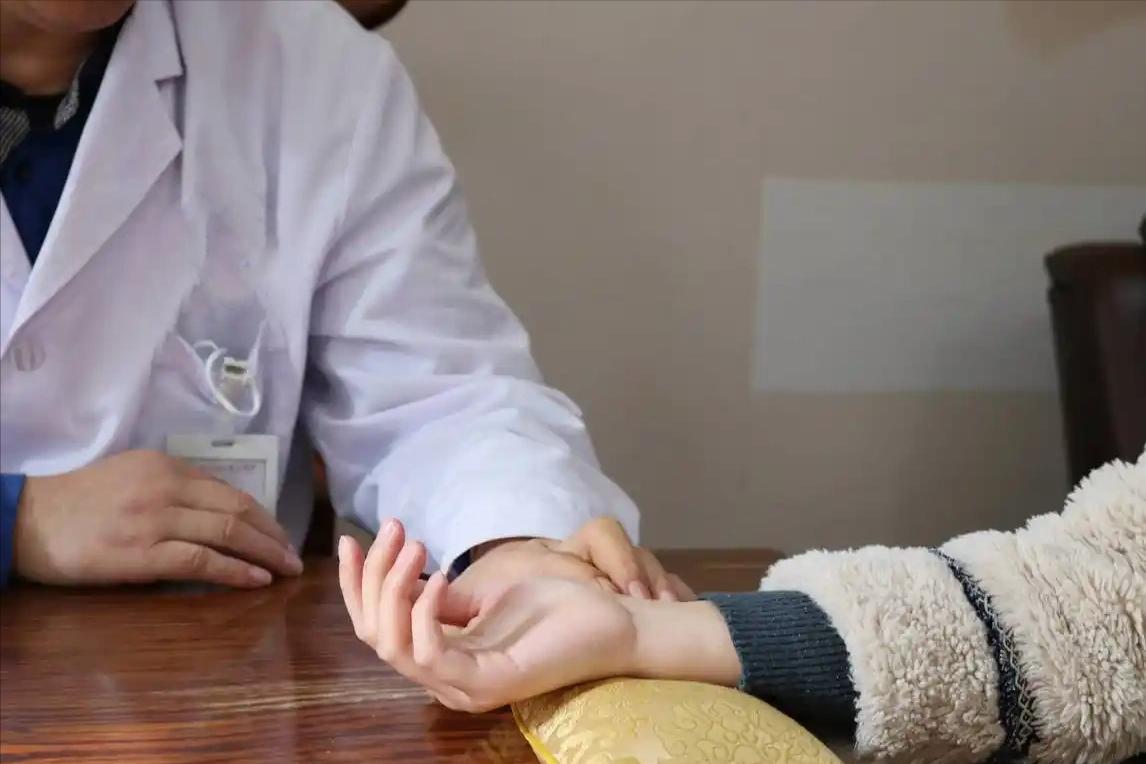
However, traditional Chinese medicine emphasizes syndrome differentiation and individualized treatment. Since each person's constitution and condition vary, the use of medicine must also be tailored to the individual. If you're unsure about the underlying cause of your symptoms, avoid self-medication. It's best to consult a professional doctor for guidance, ensuring that the treatment is both safe and effective.