Soothing the Liver: Using Bupleurum Makes You a Beginner; Using Malt Makes You a Hidden Expert
Many people think of Bupleurum immediately when they hear about liver qi stagnation, considering it the "ace medicine" for soothing the liver. However, in clinical practice, I often encounter patients who, after using Bupleurum to soothe the liver, experience increased fatigue, dizziness, and even aggravated insomnia.
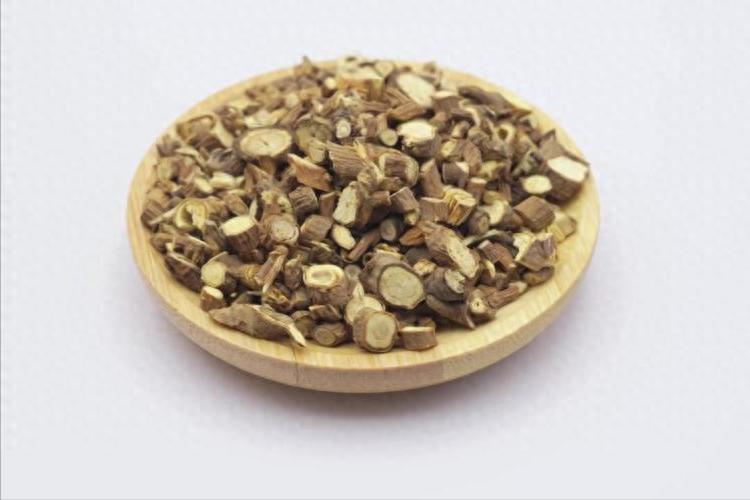
Last year, there was a 32-year-old female patient who had long-term work stress and frequently felt chest tightness, swelling and pain in both sides of the ribs, along with fatigue and poor appetite. She had previously taken Bupleurum Soothing Liver Pills on her own, but her symptoms did not improve; instead, she felt even more lethargic. After assessing her condition—pale tongue and weak, fine pulse—I determined it was a classic case of "spleen deficiency with liver stagnation": a deficiency of qi and blood, where the liver qi wants to move but lacks the energy to do so. I later prescribed her raw malt combined with a spleen-strengthening formula. After two weeks, her swelling and tightness sensations reduced, and she felt more energetic overall.
Why doesn't Chaihu work well for these types of individuals? Because Chaihu's liver-soothing effect is too forceful—it's like forcefully pushing liver qi forward. While it may show short-term results, those with insufficient qi and blood simply cannot withstand this kind of "drain." It’s like a car with an almost empty fuel tank: if you stomp on the accelerator, the car is more likely to stall.
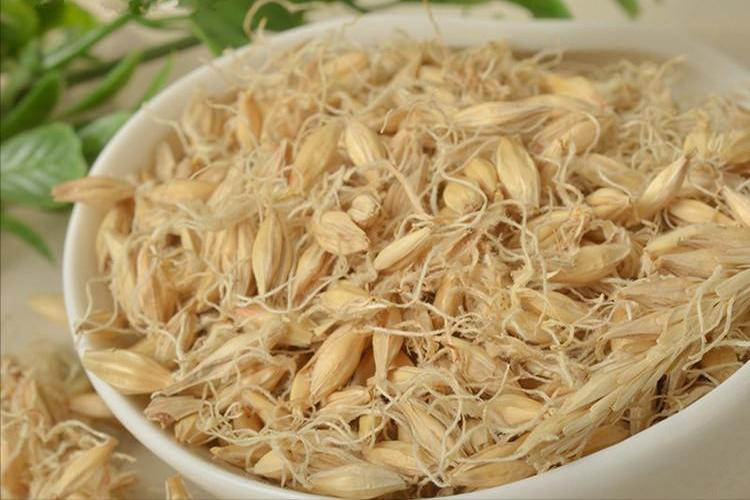
In contrast, Maiya (barley sprout) is different. It is in the sprouting state of a seed, possessing both growth-promoting properties and inherent nutrition. Traditional Chinese Medicine states, "Maiya has a growth-promoting qi, soothing the liver without harming the body." Its approach to soothing the liver is gentler:
1. First, it tonifies the spleen: Maiya enters the spleen and stomach, aiding digestion and absorption, ensuring the body has enough qi and blood to support liver qi circulation.
2. Then, it soothes the liver: Its growth-promoting nature aligns with the characteristics of liver wood, akin to "refueling" liver qi and allowing it to move on its own.
3. Non-blood-consuming: Unlike Chai Hu which may deplete yin blood, Mai Ya is more suitable for people with long-term liver depression and physical weakness.
Who is suitable for using Mai Ya to soothe the liver?
✓ Those who tend to hold in anger but feel dizzy and weak upon using Chai Hu.
✓ Those with distending pain in both flanks accompanied by poor appetite and easy fatigue.
✓ Women with Liver Depression Experiencing Scant Menstrual Flow and Frequent Delays

Tip: Raw malt has good liver-soothing effects (typically 15-30 grams), while roasted malt focuses more on aiding digestion. Those prone to liver depression with a weak constitution can use 10 grams of malt + 3 red dates boiled in water to both soothe the liver and nourish qi and blood.
Remember, soothing the liver isn't just about "unblocking"; when qi and blood are sufficient, liver qi will naturally flow smoothly. As the patient mentioned during a follow-up visit: "Now I don't need to consciously soothe my liver; being able to eat well and sleep soundly naturally improves my temper."