Men with Erectile Dysfunction: Remember These Three Herbs
Many men struggle with sexual performance issues, such as premature ejaculation and weak erections. From a Traditional Chinese Medicine (TCM) perspective, this isn’t solely caused by kidney deficiency. In most cases, it results from a combination of kidney deficiency, liver stagnation, and imbalance of qi and blood.
Let's first talk about kidney yang deficiency. Think of kidney yang as the fuel in a car. If there's not enough fuel, the engine lacks the power to perform, the whole person feels listless, and naturally, performance in sexual matters is poor. It's like trying to floor the gas pedal in a car on a cold winter morning without warming up the engine first—it just won't get going.
Then there's liver qi stagnation. The liver governs free flow and regulation. If liver qi isn't smooth, it's like traffic congestion on a road—even if the desire is strong, the brain and body can't coordinate. Moreover, liver qi stagnation tends to make people tense and anxious. The more anxious and impatient you get, the worse the situation becomes. Traditional Chinese Medicine says, "The liver prefers free flow and dislikes depression." When the mood is relaxed and happy, liver qi can flow smoothly.
There's also the issue of qi and blood stasis. If the critical areas don't receive sufficient qi and blood supply, hardness will certainly decrease, and response time will slow down. Qi and blood are like the "delivery personnel" inside the body, responsible for delivering nutrients to various parts. If the roads are blocked and deliveries can't reach their destinations, the body will naturally develop problems.
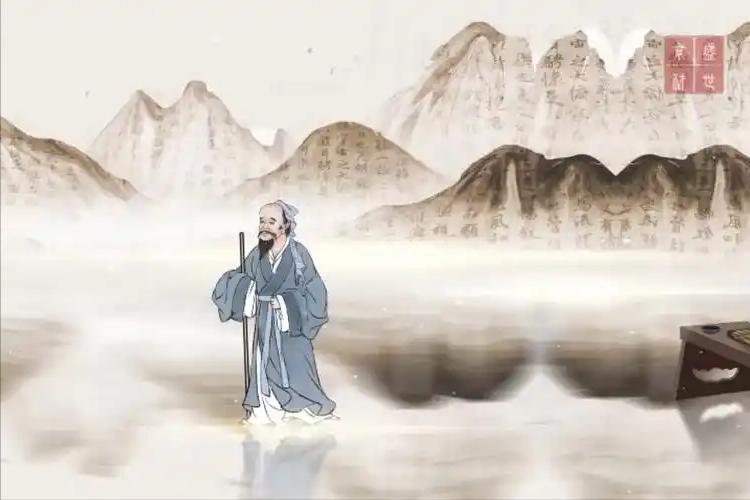
These three issues also interact and influence each other. Yang deficiency can lead to liver stagnation, just as cold weather makes people less active and liver qi less likely to flow smoothly. Liver stagnation can worsen blood deficiency because the liver stores blood, and if liver qi is constrained, the production and circulation of blood will be affected. Blood stasis, in turn, can deplete yang qi, similar to how blocked pipes increase water pressure, placing a greater burden on the body.
So, just nourishing the kidneys isn't enough—we need a three-pronged approach. Let me share a small formula with everyone, consisting of just three herbs.
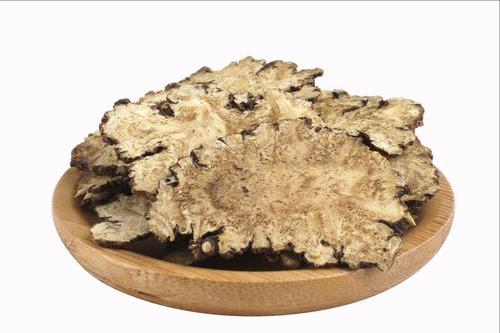
The first herb is Morinda officinalis, which can tonify the kidneys and invigorate yang, addressing the issue of insufficient drive. When kidney yang is abundant, the body gains strength, much like filling a car with fuel.
The second herb is Bupleurum, which can soothe the liver and relieve stagnation, regulating the body's "switch." When liver qi flows smoothly, the brain and body can coordinate effectively, and tension or anxiety can also be alleviated.
The third herb is Chuanxiong (Szechuan lovage root), which can invigorate blood and promote qi circulation, addressing blockages in the pathways. When qi and blood flow smoothly, key areas receive adequate nourishment, and improvements in firmness and responsiveness naturally follow.
This formula can serve as a foundational prescription. For patients with milder symptoms, it can be consumed regularly as a herbal tea in daily life. However, if the condition has persisted for a long time, symptoms are numerous, and are accompanied by issues such as yin deficiency, spleen deficiency, or excessive heat, it is essential to consult a professional traditional Chinese medicine practitioner for syndrome differentiation and tailored treatment. Self-medication should be avoided, as individual bodily conditions vary. Only by addressing the root cause can the issue be effectively resolved.