Four Most Accurate Methods to Distinguish Kidney Yin Deficiency from Kidney Yang Deficiency, Stop Guessing Blindly
Folks, today let's talk about how to determine if you have Kidney Yin Deficiency or Kidney Yang Deficiency. This isn't actually that hard; there are four particularly accurate methods, so let's take a look together.
The first is to look at your eating habits. In Traditional Chinese Medicine, Yang Qi is like the "small stove" in our bodies, responsible for "cooking" and digesting food. If Yang Qi is insufficient, the spleen and stomach lack the strength to properly break down and transform food. At this point, people tend to have a poor appetite, feel bloated after eating just a little, experience poor digestion, and have loose stools. Conversely, people with Yin Deficiency have excessive "deficiency fire" in their bodies, like a "stove" burning too intensely. They often feel hungry, but no matter how much they eat, they don't gain weight and instead become thinner. This deficiency fire can also "burn out" the stomach, potentially causing stomach ailments.
The second method is to observe whether one feels thirsty. In individuals with kidney yang deficiency, the ability to evaporate and transform body fluids is impaired. Even if they drink a lot of water, it cannot be converted into the fluids needed by the body, and the water is directly excreted as urine. Therefore, they often do not feel like drinking water, and when they do, they feel the urge to use the bathroom. In contrast, individuals with kidney yin deficiency feel as if a deficiency fire is burning inside their bodies. No matter how much water they drink, they still feel thirsty and constantly crave cold or cool beverages to suppress the dryness and heat. Additionally, their urine output is not excessive.
The third method is to observe the mental state. Traditional Chinese medicine teaches that yang qi has the functions of vitality, excitement, and promotion, while yin qi has the functions of calmness, inhibition, and coolness. Therefore, individuals with kidney yang deficiency often appear listless and lack interest in anything. Many young men experience a loss of "worldly desires" in that aspect, which is likely due to yang deficiency. On the other hand, individuals with kidney yin deficiency find it difficult to remain calm when they should, often feeling excited, restless, and anxious. For example, they may have trouble sleeping at night, feel irritable, experience bodily heat, and have strong desires. However, when it comes time to "perform," they may not last long, which is actually due to insufficient nourishment from yin essence.
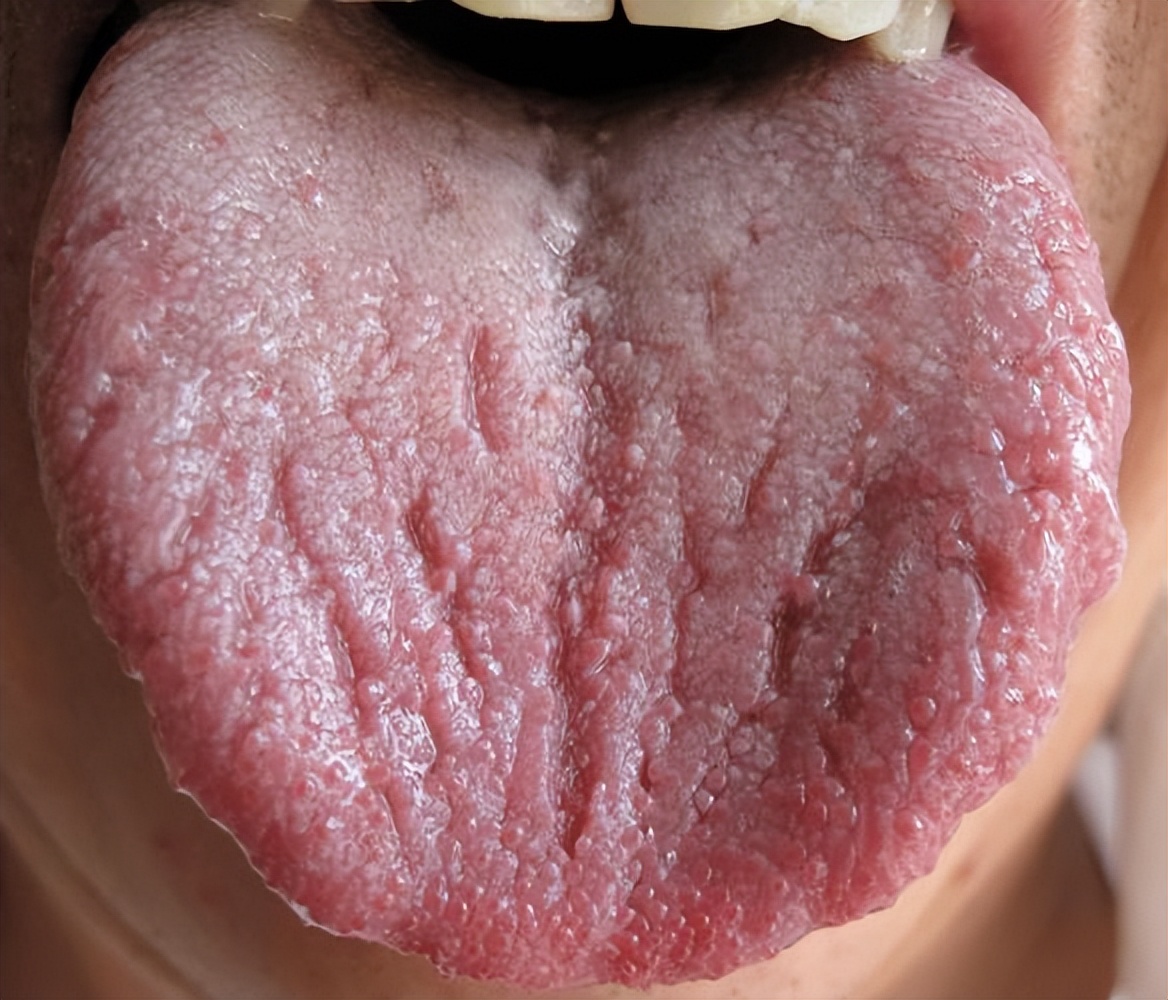
The final method is to examine the tongue. In individuals with kidney yang deficiency, the body tends to produce cold and dampness, which soak the tongue, causing it to become pale and swollen. In individuals with kidney yin deficiency, a deficiency fire burns within the body, drying and reddening the tongue, and may even cause cracks to appear.
Once we determine whether we have kidney yin deficiency or kidney yang deficiency, we can have a clearer direction for treatment. Patients with kidney yang deficiency can generally refer to formulas such as Zhenwu Tang (True Warrior Decoction) and Linggui Zhugan Tang (Poria, Cinnamon Twig, Atractylodes Macrocephala, and Licorice Decoction), which are effective for warming and tonifying kidney yang, transforming water, or warming and nourishing the yang of the heart and spleen. For patients with kidney yin deficiency, Dabuyin Wan (Great Yin-Supplementing Pill) and Shashen Maidong Tang (Glehnia and Ophiopogon Decoction) can be used to tonify kidney yin or nourish the yin of the lungs and stomach. However, when it comes to medication, it is best to consult a professional doctor and avoid self-medicating.