When yang deficiency persists for a long time, taking Jingui Shenqi Pills and Yougui Pills may no longer be effective
Today, let’s talk about whether patients with long-term yang deficiency can still use Jingui Shenqi Pills and Yougui Pills.
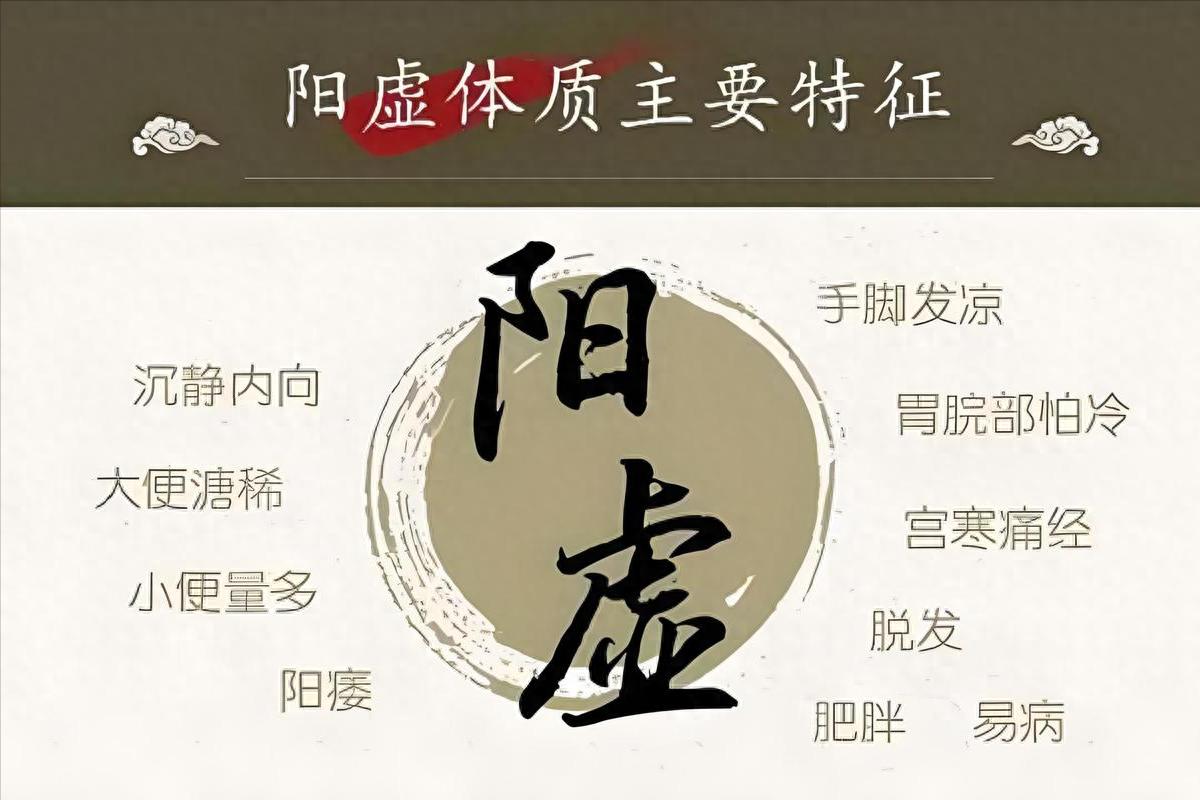
In clinical practice, I often encounter patients who, after comparing their symptoms on their own, believe they have yang deficiency and then purchase Jingui Shenqi Pills and Yougui Pills to take. However, after taking them, the results are not very effective. Why is that? Mainly because the condition has been dragging on for too long, and the illness has long since changed.
Take the most common example of blood stasis due to Yang deficiency. In Traditional Chinese Medicine, blood is like water: if the body is exposed to cold, blood flow slows down, and over time, it may congeal and stagnate, forming blood stasis. Patients with long-term Yang deficiency may exhibit additional symptoms beyond typical signs such as intolerance to cold. For instance, their complexion may appear dull and dark, their skin may become dry and rough, and upon examination, the tongue may be dark purple with petechiae or ecchymoses. Some may also experience unexplained stabbing pains or generalized itching without a specific location.
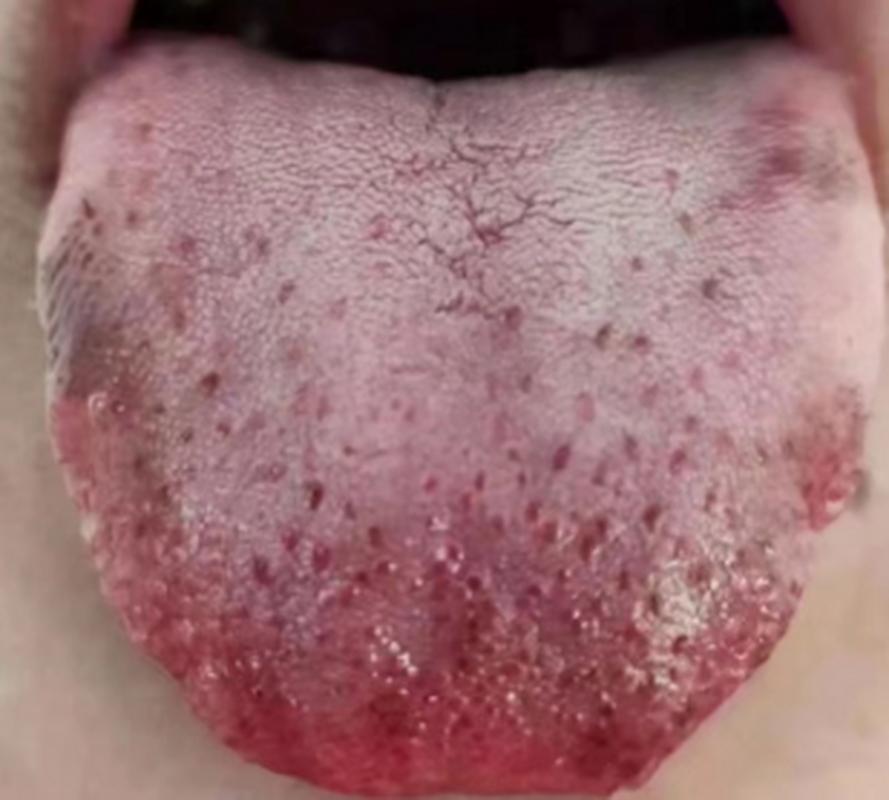
In such cases, treatment should not focus solely on warming Yang; it should also include herbs that promote blood circulation and unblock the vessels. Generally, based on the original prescription, one can combine it with Guizhi Fuling Pills. Guizhi Fuling Pills are an excellent formula for promoting blood circulation and resolving stasis, helping to dissolve stagnant blood in the body and restore the smooth flow of Qi and blood.
Another common scenario is the formation of dampness due to Yang deficiency. As is known, the Kidneys govern water metabolism. If Kidney Yang is deficient, dampness cannot be properly metabolized and eliminated, leading to stagnation in the body. Dampness is a substantial pathogenic factor—heavy, turbid, and sticky. If dampness is not eliminated while merely supplementing Yang, the supplemented Yang may transform into damp-heat, complicating the condition further. Therefore, patients with Yang deficiency accompanied by dampness may exhibit additional symptoms beyond Yang deficiency signs, such as intolerance to cold. These may include excessive phlegm, a thick and greasy tongue coating, a sticky sensation in the mouth, and a tendency to develop edema.

For such patients, treatment typically involves warming Yang and resolving phlegm. One may refer to the Ditang Decoction formula and adjust it based on the patient’s specific condition. Ditang Decoction warms Yang and disperses cold while also resolving phlegm and eliminating dampness. It helps clear dampness from the body, allowing Yang energy to function more effectively.
In summary, patients with long-term yang deficiency often have complex conditions, so it's not enough to focus solely on yang deficiency. Treatment should be tailored to the specific situation and involve comprehensive regulation to effectively cure the illness.