Slow to Hard, Quick to Soft: 3 Herbs to Promote Qi and Blood Circulation, More Effective Than Tonifying the Kidneys
Many men, when encountering the situation of being "slow to harden and quick to soften," immediately think of taking tonics for the kidneys. However, the result is often that the more they tonify, the worse the situation becomes. In clinical practice, many such conditions may appear to be related to dysfunction, but they are not necessarily due to kidney deficiency at all. Instead, the root cause is often stagnation of qi and blood.

In traditional Chinese medicine (TCM), the male reproductive organ is referred to as the "zongjin" or ancestral sinew. For the ancestral sinew to function properly, it requires sufficient qi and blood to fill it. If the flow of qi and blood is not smooth, it's like having a blocked water pipe where water cannot pass through. The ancestral sinew does not receive adequate "nourishment," naturally making it difficult to harden and prone to softening quickly.
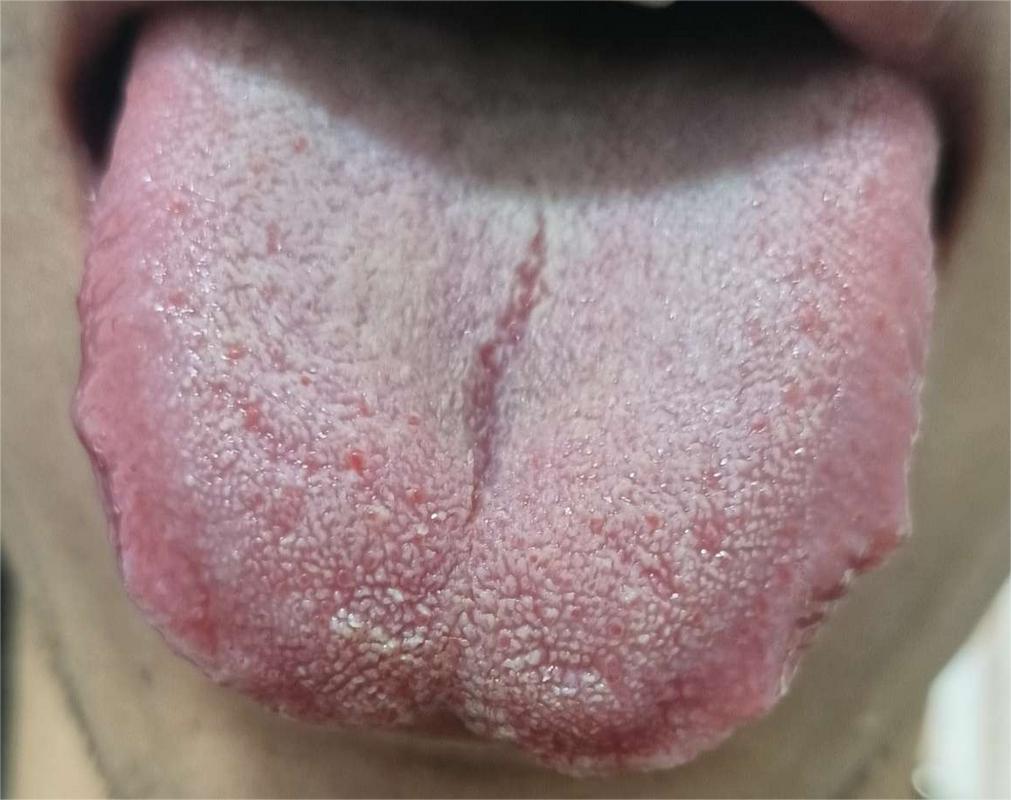
The most critical factor affecting the flow of Qi and blood is liver stagnation. Middle-aged men commonly face significant stress—supporting their elders, caring for their children, and striving for performance at work. Prolonged emotional suppression, a tendency to get easily irritated, feelings of chest tightness, pain in both flanks, or a swollen and red tongue on both sides are all signs of Qi stagnation. In Traditional Chinese Medicine, the liver governs dispersion and discharge, acting like a "traffic controller" within the body, responsible for regulating the flow of Qi throughout the entire system. If liver Qi is blocked, Qi and blood become congested, much like a traffic jam, impairing their smooth circulation. As a result, the ancestral sinews do not receive an adequate supply of Qi and blood, inevitably leading to an inability to "stand firm." In such cases, attempting to tonify the kidneys is akin to refueling a car that has no oil, but if the fuel lines are clogged, no matter how much fuel you add, it won’t reach the engine—utterly futile. Therefore, the first step is to restore the normal circulation of Qi and blood.
Today, I’m sharing with you three herbs specifically designed to address this issue.
The first herb is Bupleurum (Chaihu), a true "expert" in soothing the liver and relieving depression. It can clear the Qi stagnation caused by liver depression, promoting the flow of Qi throughout the body and creating the conditions for the circulation of Qi and blood to the ancestral sinews. It’s like deploying traffic police to clear a congested road—once the route is unblocked, Qi and blood can flow smoothly.
The second herb is Angelica sinensis (Danggui). Angelica is quite remarkable—on one hand, it nourishes and replenishes blood, ensuring the body has an ample blood supply; on the other hand, it promotes blood circulation, preventing blood stasis. This way, it provides the ancestral sinews with sufficient "nourishment," making them more vibrant.
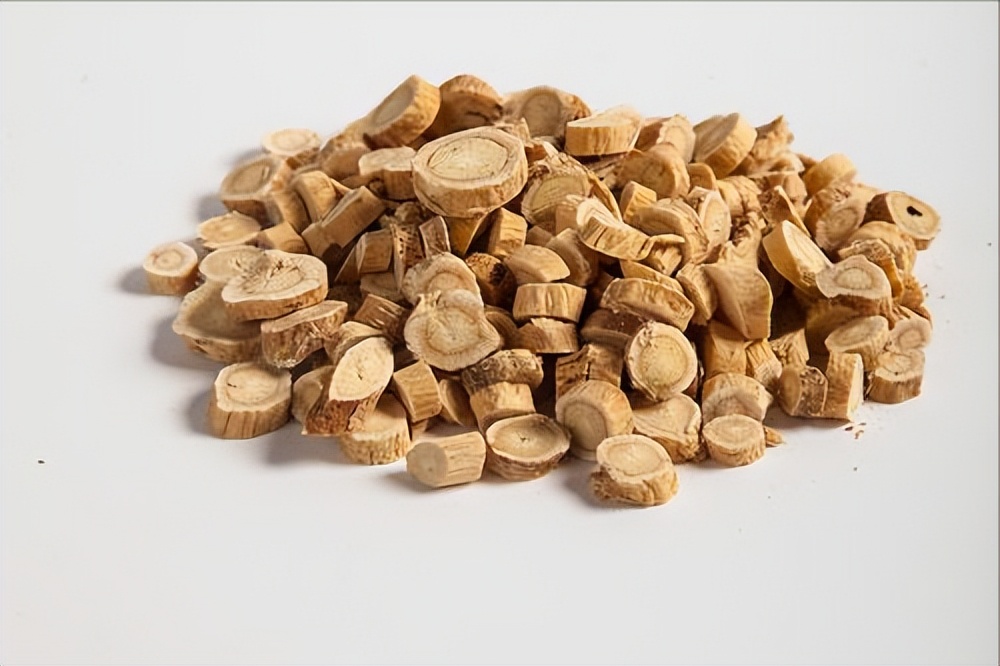
The third one is Baishao (White Peony Root). Baishao can nourish blood and soften the liver. When paired with Chaihu (Bupleurum Root), one promotes flow while the other nourishes—it's like hiring a "nursing team" for the liver. Chaihu is responsible for unblocking, while Baishao is in charge of nourishing. This ensures abundant and smooth liver blood, so that Qi and blood circulate normally, and the ancestral sinews naturally become firm and long-lasting.
The combination of these three herbs can soothe the liver, relieve depression, activate blood circulation, and regulate qi, fundamentally addressing issues such as "slow erection, poor hardness, and losing erection midway." Men experiencing such concerns might consider giving them a try, but it is best to use them under a doctor's guidance for safety and effectiveness.