Thirteen Invincible Lances for Men: Don't Try Them Casually If You're Single
Today, I'm here to discuss thirteen herbs commonly used in men's health regulation. In traditional Chinese medicine, we refer to them as the "Thirteen Invincible Lances," each possessing unique properties.

First, let's talk about the first lance—Morinda officinalis. This Morinda officinalis is excellent for tonifying kidney yang and strengthening the bones and muscles. If you suffer from yang deficiency with symptoms like cold intolerance, cold hands and feet especially in winter, and soreness and weakness in the lower back and knees, it's quite suitable. Additionally, it can dispel wind-dampness and help with cold-painful joints. In traditional Chinese medicine, the kidneys govern the bones. Insufficient kidney yang can lead to bone problems. Morinda officinalis helps tonify kidney yang, thereby naturally strengthening the bones and driving away wind-dampness.
The second spear is Epimedium. This herb can tonify the kidney and benefit the blood, and it also unblocks the meridians. Nowadays, many people experience a decline in function, which is actually due to insufficient qi and blood in the kidneys and blocked meridians. Epimedium can replenish the qi and blood in the kidneys, unblock the meridians, and naturally improve function.
The third spear is Eucommia bark. Eucommia bark can tonify the liver and kidney and strengthen the lower back and knees. Many people suffer from kidney deficiency, with lower back pain, weak legs, and discomfort in the lower back after prolonged standing or sitting, which indicates kidney depletion. Eucommia bark can tonify the liver and kidneys, restoring strength to the lower back and knees.
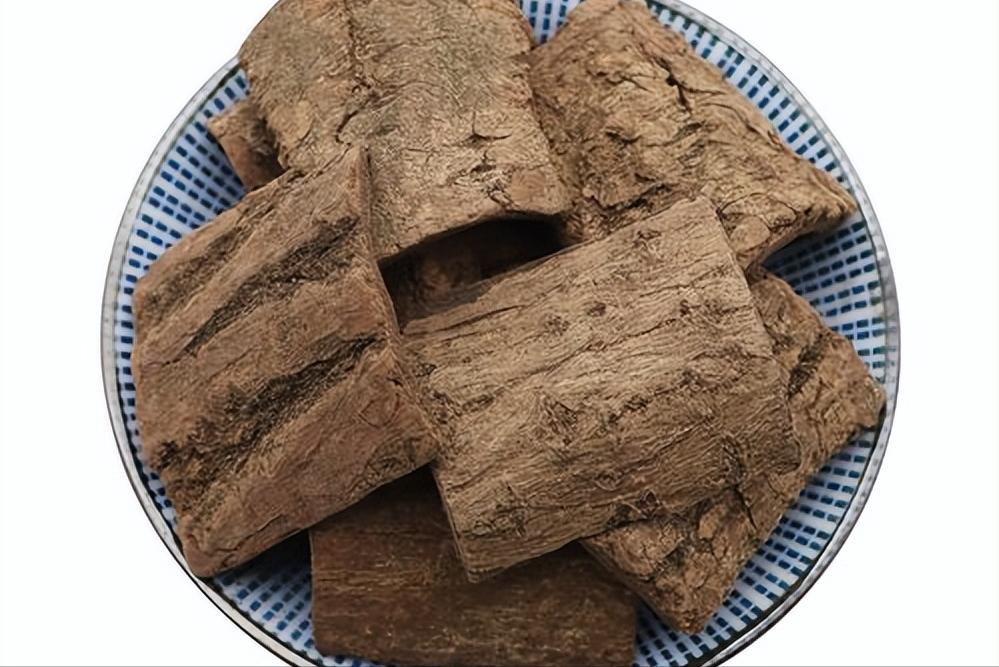
The fourth spear is Morinda officinalis. This herb primarily warms the kidneys, strengthens yang, and dispels cold-dampness. If you suffer from yang deficiency and cold constitution with cold and painful joints, Morinda officinalis is the right choice. Insufficient kidney yang prevents the body from expelling cold-dampness. Morinda officinalis can replenish kidney yang, drive away cold-dampness, and naturally alleviate joint pain.
The fifth spear is Polygonatum sibiricum. Polygonatum sibiricum is adept at dual tonification of qi and yin, replenishing both spleen qi and nourishing lung yin and kidney yin. Individuals with yin deficiency constitution generally lack sufficient yin fluids in the body, leading to dry mouth and throat, and heat in the palms and soles. Polygonatum sibiricum can replenish these yin fluids, restoring balance to the body.
The sixth spear is Spring Revival Herb. Spring Revival Herb can tonify the kidneys and invigorate yang, as well as promote blood circulation and reduce swelling. For men experiencing functional decline or issues such as bone and joint pain, using Spring Revival Herb for conditioning can yield quite good results. When kidney yang is sufficient, function naturally improves, and with smooth qi and blood flow, bone and joint pain is alleviated.
The seventh spear is raspberry. Raspberry can consolidate essence and reduce urination frequency, as well as nourish the liver and brighten the eyes. If you suffer from kidney deficiency, frequent nocturnal emissions, or urinary frequency, or if liver and kidney deficiency leads to blurred vision, raspberry can come in handy. It helps consolidate the essence in the kidneys, normalize urination, and nourish the liver to improve eyesight.
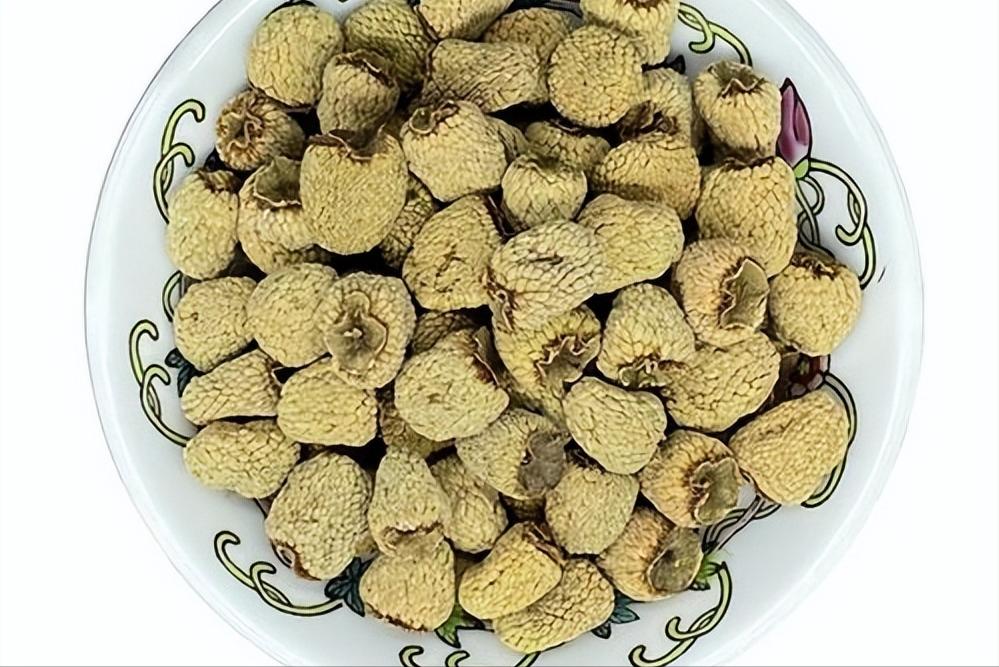
The eighth spear is Cynomorium. Cynomorium can tonify kidney yang and moisten the intestines to relieve constipation. Those with insufficient kidney yang are prone to constipation. Cynomorium replenishes kidney yang, allowing the intestines to function normally, thereby resolving constipation issues.
The ninth spear is Schisandra. Schisandra can astringe and consolidate, boost qi, and promote fluid production. It can stop sweating, secure essence, and astringe the lungs to relieve cough. If you have kidney deficiency with clear seminal discharge, or yin deficiency with night sweats, using Schisandra to regulate and nourish can stop the sweating, consolidate the essence, and also relieve coughing.
The tenth spear is Rosa laevigata. Rosa laevigata can consolidate essence, reduce urine output, astringe the intestines, and relieve diarrhea. If you experience nocturnal emission, frequent urination, or diarrhea due to deficiency-cold, Rosa laevigata is quite suitable. It can consolidate the vital essence in the kidneys, normalize urination, and relieve diarrhea.
The eleventh spear is Millettia speciosa. Millettia speciosa can tonify deficiency, moisten the lungs, strengthen tendons and bones, and activate meridians. If you have kidney deficiency, along with conditions such as consumptive disease, cough, and weakness in the tendons and bones, using Millettia speciosa for gradual regulation can help the body slowly recover. It has a neutral nature, neither cold nor hot, making it safe to use.
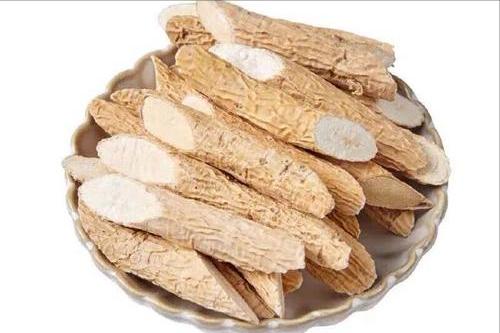
The twelfth spear is Cistanche deserticola. Cistanche deserticola can tonify the kidneys, boost essence, moisten the intestines, and promote bowel movements. It has a neutral nature, neither dry nor harsh, making it suitable for long-term regulation. For those with insufficient kidney yang, using Cistanche deserticola for gradual supplementation can help replenish kidney yang and keep the intestines functioning smoothly.
The final spear is Cornus officinalis. Cornus officinalis can tonify the liver and kidneys, promote astringency, and prevent collapse. It can consolidate essence, stop sweating, and prevent exhaustion. If you experience nocturnal emission due to kidney deficiency or persistent sweating due to deficiency, using Cornus officinalis can help stop the sweating, consolidate the essence, and prevent physical exhaustion.
The "Thirteen Sovereign Tonics" each have their unique properties. If you're dealing with issues related to men's health, it's advisable to consult a professional doctor and see if these herbs can help with regulation.