Stagnation in the Sanjiao Makes You Half Incapacitated: A Famous Qing Dynasty Formula Helps You Unblock the Sanjiao
Today, let's talk about the Sanjiao. In Traditional Chinese Medicine, the Sanjiao is divided into three parts: the upper, middle, and lower jiao. The upper jiao primarily corresponds to the heart and lungs; the middle jiao corresponds to the spleen and stomach; and the lower jiao corresponds to the liver and kidneys. You can think of the Sanjiao as a vast cavity that encases all the zang-fu organs within our body.

The function of the Sanjiao is significant. It is responsible for communicating the upper and lower parts of the body, connecting the interior and exterior. It acts like a 'transportation chief,' distributing nutrients and primordial qi to every part of the body and ensuring the free flow of waterways. If the Sanjiao becomes blocked, various minor ailments will manifest in the body.
Let's start with the condition of upper-jiao obstruction. The upper jiao mainly governs the heart and lungs. If this area is blocked, one may easily experience chest tightness and shortness of breath, feeling as if a heavy stone is pressing on the chest, making it difficult to breathe smoothly. Other symptoms can include dizziness, tinnitus, a constant buzzing in the head, and frequent flare-ups of internal heat, such as cold sores at the corners of the mouth or oral ulcers.
Obstruction of the middle jiao is also quite common. The middle jiao is the domain of the spleen and stomach. If the spleen and stomach are blocked, the abdomen may feel bloated and occasionally painful. Digestion is impaired, often accompanied by a sensation of a lump in the stomach. Additionally, one may easily experience nausea and acid reflux, lose appetite even for delicious food, and feel full after eating just a little.
Problems due to lower-jiao obstruction are also common. The lower jiao corresponds to the liver and kidneys. If this area is blocked, one may feel a sense of distension and fullness in both flanks, as if trapped gas is present. The lower back and knees may feel sore and weak, making it difficult to walk with strength. The lower limbs may also be prone to swelling, leaving a dent when pressed. For men, this condition can lead to functional decline; for women, it may cause menstrual irregularities, such as periods that come too early or too late, and may increase susceptibility to gynecological inflammations.
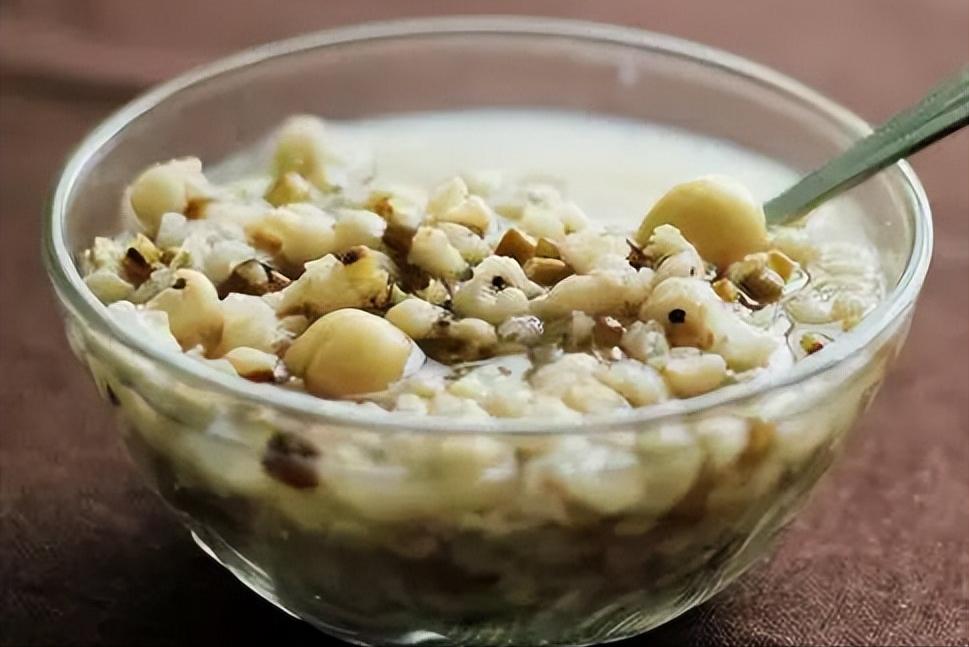
From this perspective, the root of many illnesses affecting people today can often be traced back to obstruction of the triple jiao. Is there any way to unblock the triple jiao? There is indeed. Today, I will share with you an effective formula—Sanren Tang (Three Seeds Decoction). This formula is from "Treatise on Differentiation and Treatment of Warm Diseases" (Wen Bing Tiao Bian) by Wu Jutong from the Qing Dynasty.
Why is it called the Three-Nut Decoction? Because it contains three crucial "nuts," specifically apricot kernel, cardamom seed, and coix seed, along with other herbs such as talc, common rush, bamboo leaf, magnolia bark, and pinellia.
Apricot kernel primarily targets the upper jiao's lungs. The lungs govern qi, and apricot kernel can promote the diffusion of lung qi in the upper jiao, ensuring the smooth flow of qi. It's akin to ventilating a blocked pipe to allow air to circulate freely.
Cardamom seed is aromatic and transforms dampness, specifically entering the spleen and stomach to unblock the qi of the middle jiao. The spleen and stomach are responsible for digestion and absorption; when qi flows smoothly, the spleen and stomach can function properly, and food intake can be digested efficiently.
Coix seed is sweet and bland in nature, with effects such as promoting urination, leaching dampness, and fortifying the spleen. It benefits the lower jiao. When the lower jiao is blocked, water-dampness tends to accumulate. Coix seed can expel this water-dampness, ensuring the lower jiao is unobstructed.
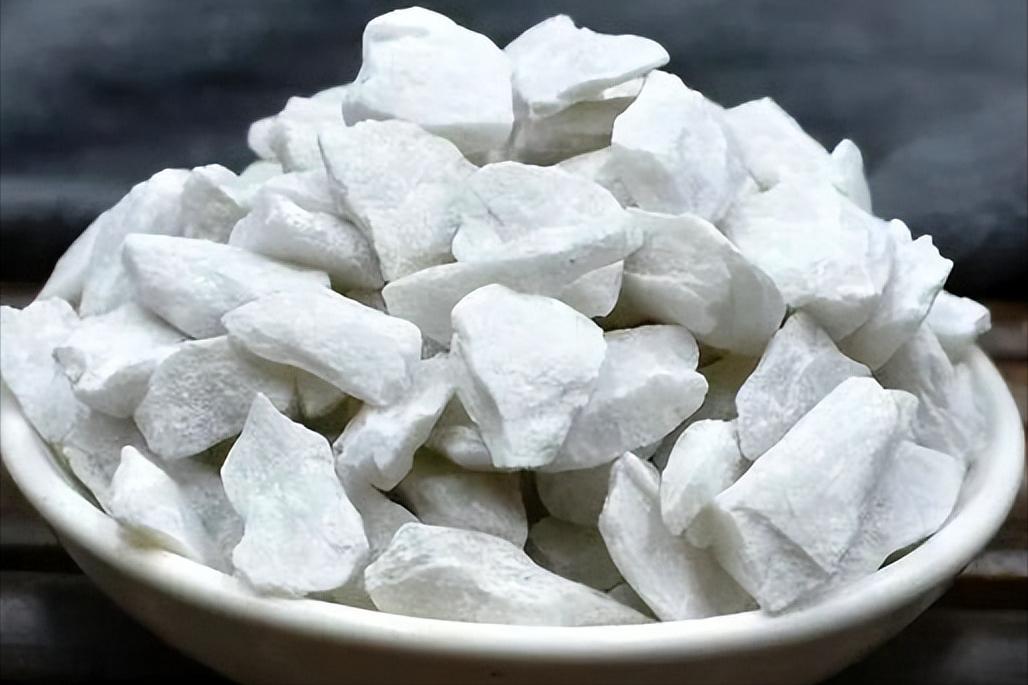
With the combination of these three kernels, one disperses the upper jiao, another unblocks the middle jiao, and the third facilitates the lower jiao, thus opening all three jiao pathways. The other herbs, such as talc, assist the main ingredients in clearing damp-heat, expelling pathogenic damp-heat from the body. Pinellia and magnolia bark help regulate qi, transform dampness, dissipate stagnation, and alleviate fullness, allowing qi to flow smoothly and eliminating masses and bloating in the body. When used together, these herbs ensure that the three jiao are unobstructed.