Kidney Deficiency is the Hardest to Tonify – Too Many People Don't Understand the Principle of "Excessive Fire Consumes Qi"
In Traditional Chinese Medicine (TCM), we say that the kidney's yang qi is like a small flame in an oil lamp; it gently warms the entire body. However, many people take the wrong approach to tonifying the kidneys. It's like pouring strong alcohol onto a lamp that's about to go out – the flame might suddenly flare up high for a moment, but it burns even more fiercely and extinguishes faster afterward. In TCM, this is called "Excessive Fire Consumes Qi." Using extremely hot and drying herbs to forcefully tonify yang is actually depleting the body's energy reserves, resulting in the more you try to tonify, the weaker the body becomes.

Many people, once they feel a fear of cold, assume they have yang deficiency and indiscriminately use powerful, hot-natured herbs like aconite (Fuzi) and cinnamon (Rougui). But we must understand that feeling cold doesn't necessarily mean yang deficiency. If a person who is actually yin deficient uses these herbs, it's truly adding fuel to the fire, making the body feel even worse. Even for those with yang deficiency, using them might provide brief relief, but afterward, the deficiency becomes more severe. Why? Because these intensely hot herbs consume the body's already insufficient "lamp oil," which is the yin fluids. If taken long-term, when both yin and yang become deficient, problems like "internal heat" (上火), insomnia, and hair loss can appear.
So how exactly should we regulate kidney deficiency properly? We need to learn how to make herbal soups, using mild yang-tonifying herbs like Morinda officinalis (Bajitian) and Cistanche (Roucongrong), combined with yin-nourishing herbs such as prepared Rehmannia root (Shudihuang) and Cornus fruit (Shanzhuyu). This is like keeping the yang energy burning steadily like a small flame, while continuously replenishing the "lamp oil." This is what traditional Chinese medicine calls "seeking yang from within yin, with yang supported by yin."
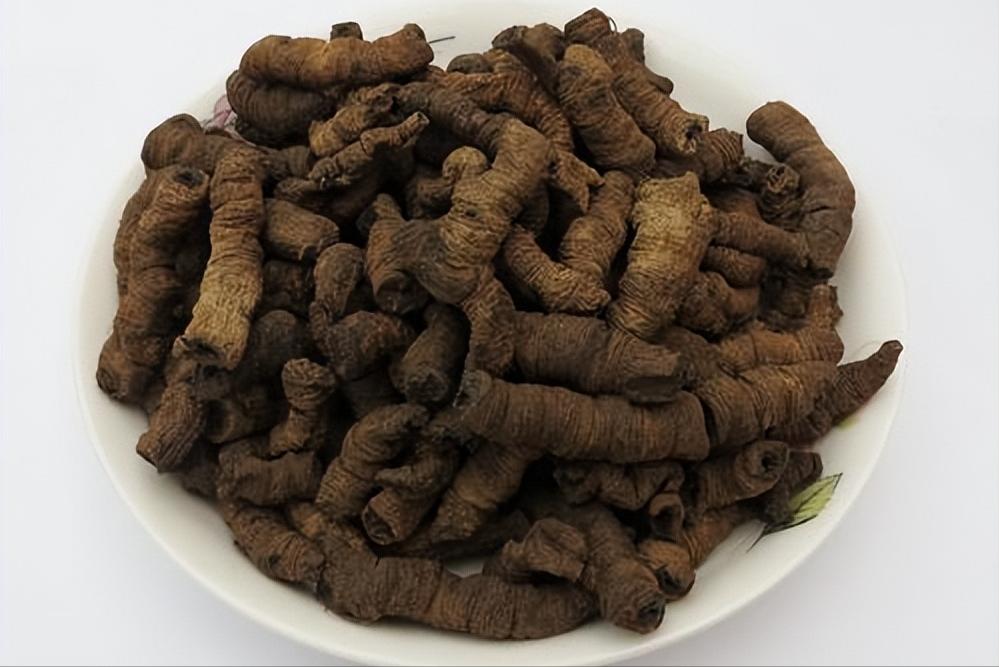
Take Gui Fu Dihuang Wan, for example. It contains aconite (Fuzi) and cinnamon bark (Rougui) to tonify yang, but it’s also paired with yin-nourishing ingredients like Rehmannia root and Chinese yam (Shanyao) from the classic Liu Wei Dihuang Wan formula. This is like adding firewood while replenishing oil, maintaining the body’s balance of yin and yang. Then there’s Jin Gui Shen Qi Wan, which is even more impressive. On top of tonifying yang and nourishing yin, it also adds Poria (Fuling) and Alisma rhizome (Zexie) to promote diuresis, preventing dampness from forming in the body due to the tonifying herbs.
These formulas don’t aim for quick fixes. Instead, they work by regulating the body’s yin-yang balance to achieve gradual, long-term improvement. So, folks, when it comes to tonifying the kidneys, don’t just take things randomly. Use the right methods, and your body will get better and better.
If you experience the symptoms mentioned above, the first step is to examine your tongue coating. In Traditional Chinese Medicine, we emphasize syndrome differentiation and treatment, just like using the right key for the right lock. Different symptoms require different prescriptions, so tailored treatment can cure the illness effectively and thoroughly.