Jujube Seed for Insomnia? That's Completely Wrong! These Are the True Champions for Treating Insomnia
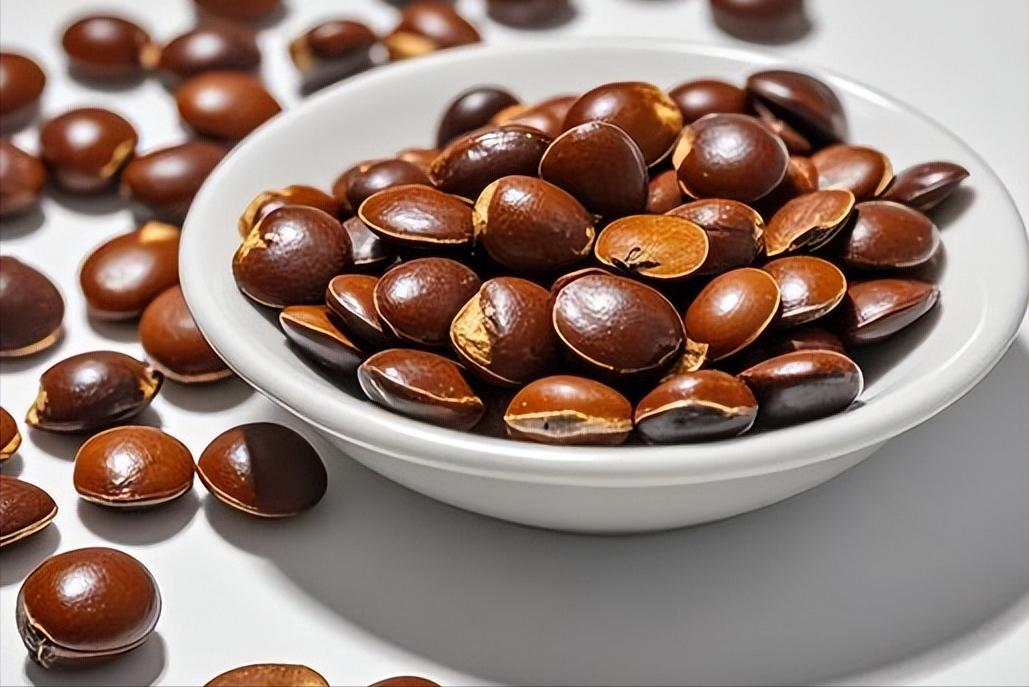
Many people think that when they have insomnia, they just need to take some jujube seeds, and that's it. That's completely wrong! Today, I'll tell you about the true "champion" medicines for treating insomnia and when to use which medicine.
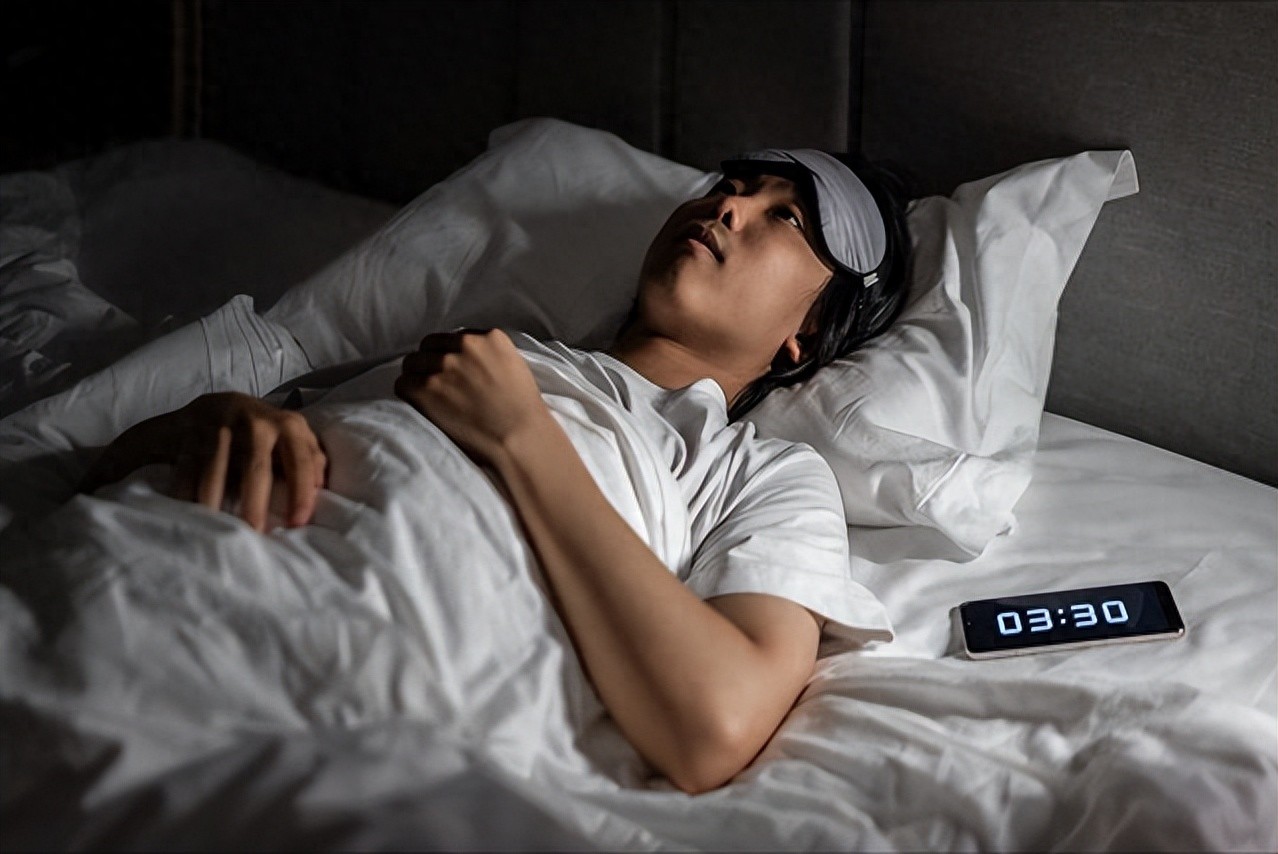
So when exactly can jujube seeds be used? Generally, it's when both the liver blood and liver yin are deficient. We all know that the liver is like the body's "big blood reservoir," specifically responsible for storing blood. If the liver blood is insufficient, it can't properly nourish the heart-mind. When the heart-mind isn't nourished, sleep quality will definitely suffer. You won't sleep soundly at night, waking up at the slightest disturbance and often having dreams. During the day, you feel as if you haven't slept at all, lethargic, weak, dizzy, and lacking energy for anything. If you look at the tongue, the tongue body will be pale, especially along the edges. In such cases, common blood-tonifying formulas like Si Wu Tang or Gui Pi Tang can actually be effective.
However, if blood deficiency persists for too long, it's like a field that's been deprived of water for an extended period. Over time, the soil cracks, and the body becomes dry and yin-injured. At this point, besides the symptoms mentioned earlier, one may also experience severe irritability, constant dry mouth, and a tender, bright red tongue. This indicates significant deficiency of liver yin and liver blood, making Sour Jujube Decoction (酸枣仁汤) quite appropriate in such cases.
Another situation is when the more tired you are, the less you can sleep. This is often caused by qi deficiency. Normally, yang qi needs to enter the "domain" of yin qi for a person to fall asleep properly. Qi acts like a supervisor—when it's sufficient, it can promote the proper exchange of yin and yang. If qi is deficient, yang qi can't enter the realm of yin, leaving the person listless, tossing and turning all night, and feeling short of breath and weak during the day. Upon examining the tongue, it appears pale with a white coating, thin and small. In such cases, an approach using Ginseng Nourishing and Flourishing Pill (人参养荣丸) is quite targeted for regulation.
Now, let's discuss a type of insomnia common among the elderly—the heart-kidney disharmony type. As people age, the yin fluids in the kidneys gradually decrease, much like the water level in a reservoir dropping. With less kidney yin, the ability to control yang qi weakens. Therefore, many elderly people find that the older they get, the less they sleep. For some, it's not just less sleep but an inability to sleep at all throughout the night. In addition, they may experience severe palpitations, a pounding heartbeat, intermittent feverish sensations in the body, extreme thirst and dry mouth, and frequent mouth ulcers, all of which significantly impact daily life. Observing the tongue, it appears red with many cracks. This occurs because when the kidneys' water is insufficient, the heart's fire becomes too strong, akin to a stove with an overly intense flame but not enough water. In such cases, we can refer to Coptis and Donkey-Hide Gelatin Decoction (黄连阿胶汤), which helps adjust the state of the kidneys and heart, improving sleep.
Therefore, the causes of insomnia are numerous. Don't reach for sour jujube (酸枣仁) at the first sign of insomnia. It's important to choose the right medication based on the specific situation to get a good night's sleep! Traditional Chinese Medicine emphasizes syndrome differentiation and treatment—different symptoms require different formulas to effectively cure the condition. If you experience similar symptoms, the first step is to examine your tongue coating. Send a photo of your tongue coating along with your symptoms, and I'll provide a free syndrome differentiation to determine the general direction for your regulation.