The 5 Major Symptoms People with Yang Deficiency Must Have — How Many Do You Exhibit?
Today, let's talk openly about Yang deficiency. Many people experience health issues that are actually related to Yang deficiency. Generally, Yang deficiency presents with the following 5 major symptoms. You can compare them to your own condition and see if any apply to you.
First, let's talk about the first one: aversion to cold! People with Yang deficiency are particularly sensitive to cold. At the same temperature, while others may wear one layer, they need two or three layers, or even more. They are also highly prone to catching colds, unable to withstand even a slight breeze. Their hands and feet are often ice-cold throughout the day. Some people even have to wear socks to bed at night, otherwise, they simply can't fall asleep. Whether it's an aversion to wind or cold, these are the main symptoms of Yang deficiency.
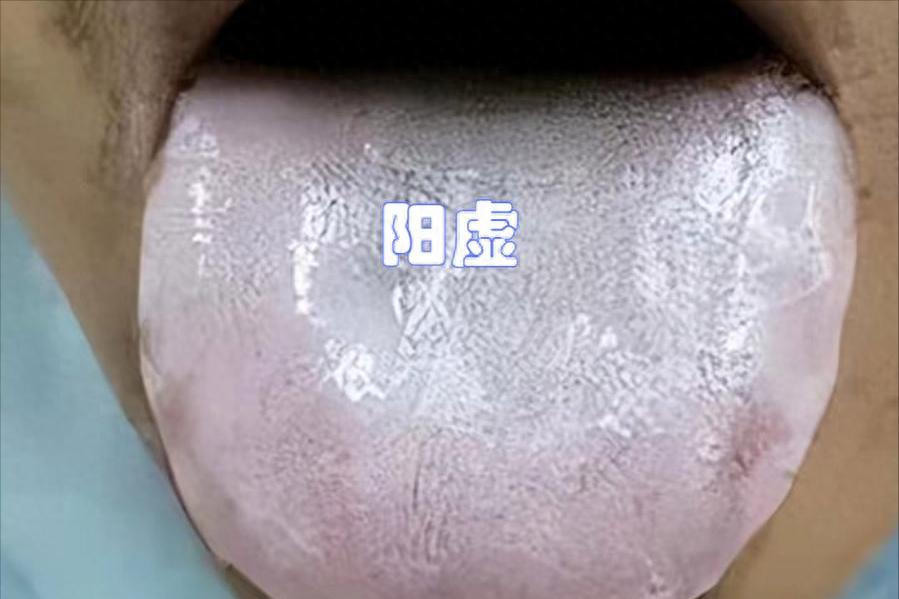
The second point concerns issues with the spleen and stomach. People with yang deficiency also tend to have poor spleen and stomach function. If they eat something cold, overeat, or consume a variety of foods, they may experience bloating, slow digestion, and a complete loss of appetite. Additionally, their tongue coating appears white and thick. They also have a strong preference for warmth and an aversion to cold. If they consume cold foods or expose their abdomen to cold, they may immediately experience diarrhea. These symptoms are all indicative of spleen yang deficiency.
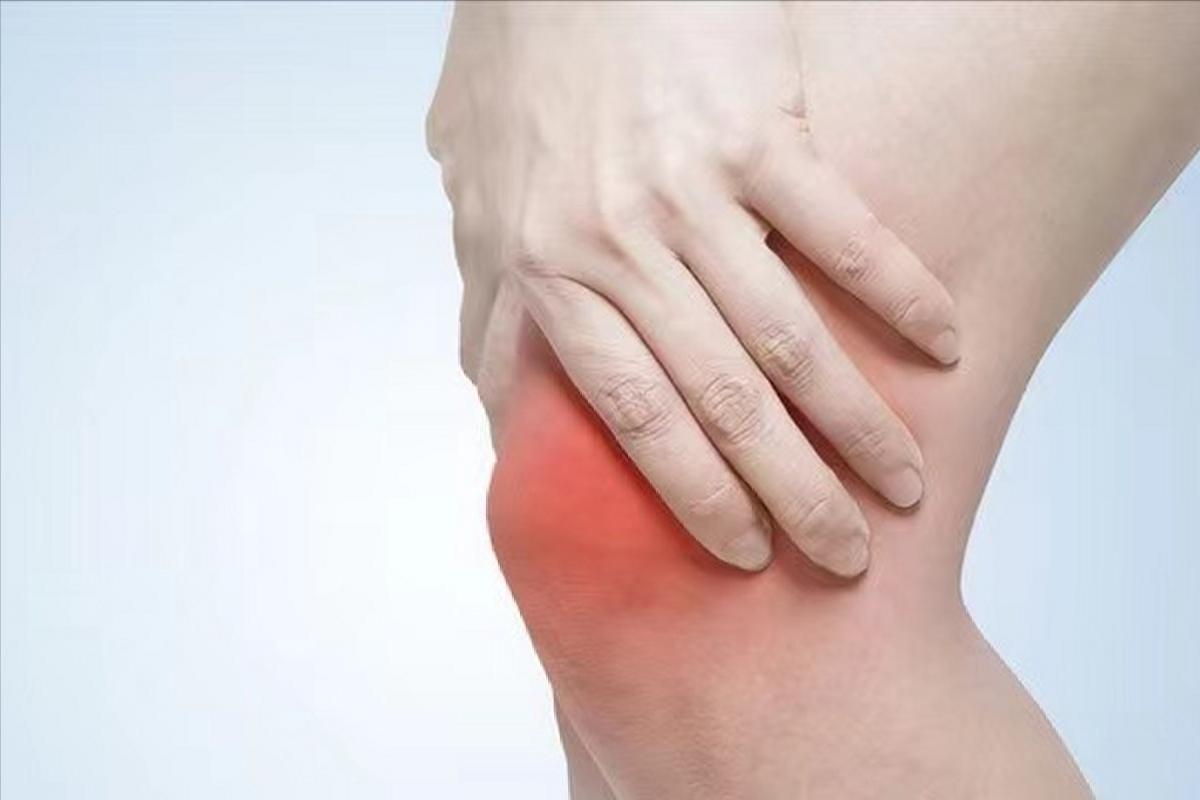
The third point is joint soreness and pain. People with yang deficiency are particularly prone to joint issues. They may feel some relief with warmth, but experience severe pain when exposed to cold. During rainy or humid weather, the pain can become unbearable. Some people experience lower back pain, while others suffer from knee pain, heel pain, or even neck stiffness and soreness. All of these symptoms are due to yang deficiency, which leads to poor circulation of qi and blood and blockage of the meridians.
The fourth point is frequent drowsiness or excessive sleepiness. People with yang deficiency often feel like they never get enough sleep and are lethargic throughout the day. Their complexion tends to be poor—either pale as paper or dull and dark. They may also experience spontaneous sweating, lack of energy, frequent urination at night, recurrent rhinitis, and persistent runny nose. These are all signs of yang deficiency.
The fifth point is a persistent state of poor recovery. People with yang deficiency often experience lower back pain, soreness, leg weakness, and occasional cramping or numbness in their hands and feet. They are particularly susceptible to catching colds and, once sick, take a long time to recover. These symptoms are all manifestations of yang deficiency.
If you find that several of the above symptoms match your own, it is highly likely that you have a constitution characterized by Yang deficiency. In this case, it's important to steer clear of cold or cooling foods and instead incorporate more warm and nourishing options into your diet. Regular outdoor exercise and ample exposure to sunlight can also help restore the body's Yang energy.
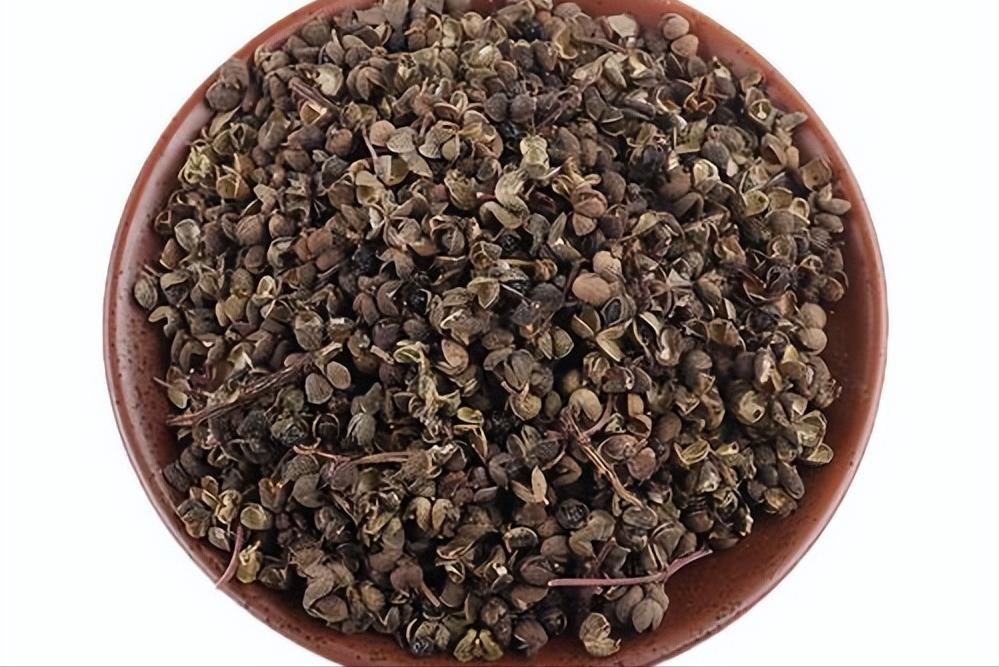
If you wish to use herbal remedies for regulation, the choice of herbs should be tailored to the specific organs involved. For heart Yang deficiency, Gui Zhi (Cinnamomum cassia) may be considered; for spleen Yang deficiency, Gan Jiang (dried ginger) is quite suitable; for kidney Yang deficiency, Fu Zi (aconite) and Rou Gui (cinnamon bark) are effective; for liver Yang deficiency, Wu Zhu Yu (evodia fruit) can be beneficial; and for deficiency of lung Qi and lung Yang, Huang Qi (astragalus) is an excellent choice.
However, traditional Chinese medicine emphasizes pattern differentiation and tailored treatment—different symptoms require different formulas to ensure the remedy effectively addresses the root cause. If you experience similar symptoms, the first step is to observe your tongue coating. Feel free to send a photo of your tongue along with a description of your symptoms, and I’ll provide a complimentary pattern differentiation to help determine the overall direction for your health regulation.