Four Substance Decoction Does Not Actually Nourish Blood—Most People Use It Wrong; To Nourish Blood, Qi-Tonifying Herbs Must Be Added
We all know about Four Substance Decoction—it's often called the premier formula for nourishing blood. But today, I have to be honest with you all: relying on Four Substance Decoction alone cannot genuinely replenish blood. Why is that? When we aim to nourish blood, we must add qi-tonifying herbs.
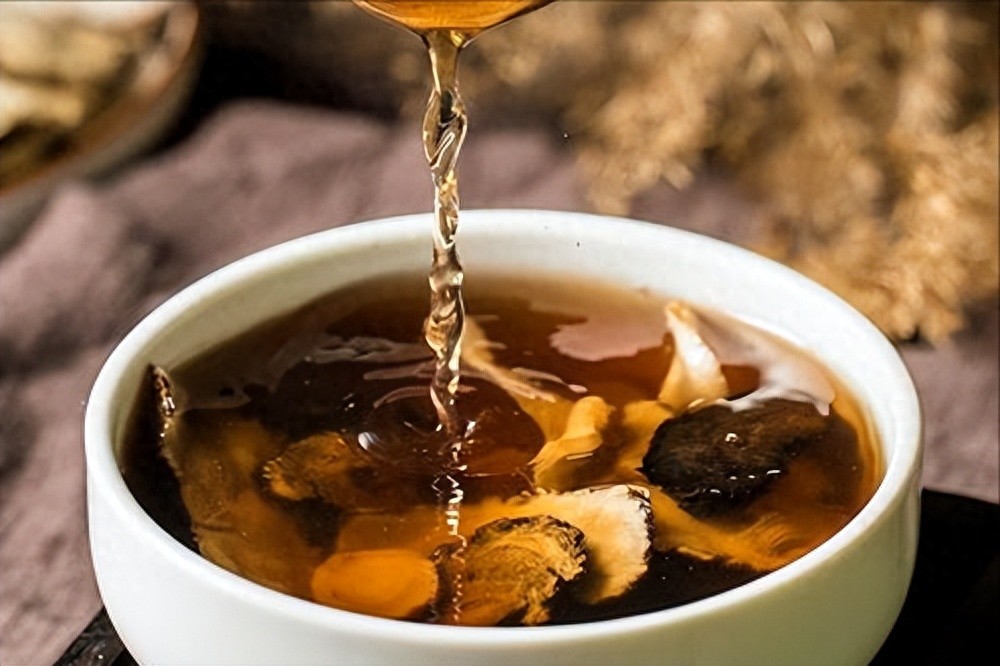
Let's first look at the composition of Four Substance Decoction: Dang Gui (Chinese Angelica Root), Chuan Xiong (Sichuan Lovage Rhizome), Bai Shao (White Peony Root), and Shu Di Huang (Prepared Rehmannia Root). These herbs are all for nourishing yin and blood; there isn't a single yang-tonifying herb among them—it's purely a yin-nourishing formula. In traditional Chinese medicine, we say that "yin transforms by means of yang." As stated in the *Yellow Emperor's Inner Classic*, "The middle burner receives the qi and extracts the juices, and through transformation, they become red—this is what is called blood." What does this mean? It means that to nourish blood, we rely on the spleen, stomach, and heart for support. The food we ingest—without yang qi to decompose, transport, and transform it—simply cannot be converted into blood.
It's like having premium beef—everyone knows eating beef can make your body strong. But if you just buy the beef, don't cook it over heat, and have people eat it raw, what will happen? You'll definitely get diarrhea, because the food hasn't been properly digested and transformed.
So the ancients had long summed up the experience: "When you see blood, don't just treat the blood—you must first regulate its Qi." Our TCM master Li Dongyuan created the Danggui Buxue Decoction, in which the amount of Huangqi is six times that of Danggui. This illustrates the principle of supplementing Qi to generate blood.
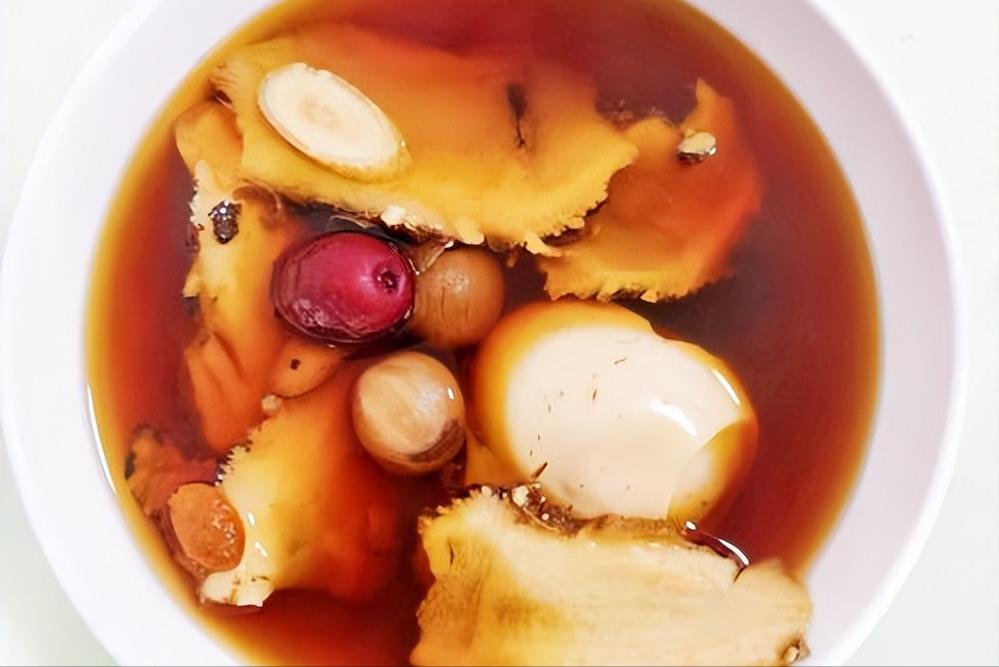
So what is meant by "yin transforming from yang"? Let's make an analogy: a seed is life, but without sunlight, can this seed take root and sprout? Definitely not! The seed represents yin, and the sun corresponds to yang—it is the sun that catalyzes the seed's growth. This is what we mean by "yin transforming from yang." Therefore, having only yin without yang cannot produce blood.
But nowadays, many people don't understand this principle and just think of using herbs like cooked rehmannia, white peony, and donkey-hide gelatin to nourish the blood. What happens after taking them? Loss of appetite and chest tightness—this is actually due to the weakened spleen's transformative and transport functions.
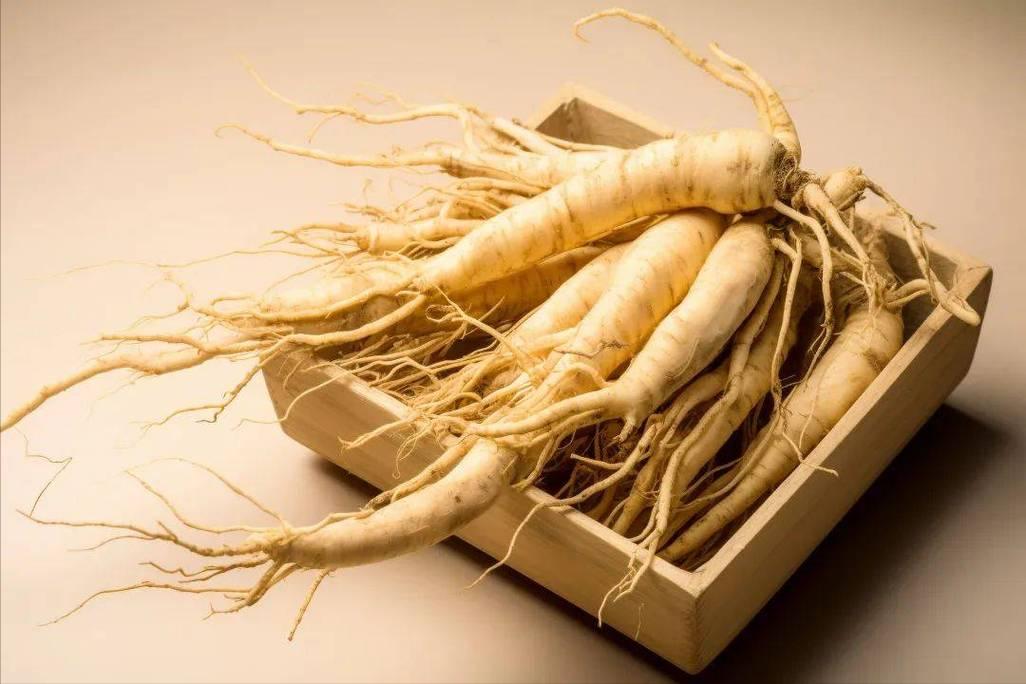
So how exactly should Si Wu Tang be used to nourish the blood? We need to add yang-tonifying herbs, specifically ginseng-type herbs like Ren Shen (Panax ginseng) and Dang Shen (Codonopsis pilosula), along with Huang Qi (Astragalus), Rou Gui (Cinnamon bark), and so on. In daily diet, prioritize warm-natured foods and minimize cold-natured ones. Why is that? Warm-natured foods act like qi—what you eat can only transform into blood in a warm environment. So, remember this principle: more warmth, less coldness—this is the correct method for nourishing the blood!
Traditional Chinese medicine emphasizes pattern differentiation and treatment, using different formulas for different symptoms to achieve effective healing. If you have similar conditions, the first step is to examine your tongue coating. Please send me a photo of your tongue coating along with your symptoms, and I will provide a free pattern differentiation to determine the general direction of your treatment.