Cannot Get It Up at Crucial Moments, Over-Tonifying the Kidneys Leads to More Deficiency: Three-Step Self-Rescue in Traditional Chinese Medicine
Today, I really need to have a serious chat with our male compatriots. Some of you experience "performance anxiety" at crucial moments and can't get it up no matter what, then try to recklessly tonify your kidneys on your own. The result is getting more deficient the more you tonify, leaving you feeling completely listless and drained. Actually, there's a Traditional Chinese Medicine three-step self-rescue method we all need to learn!

I've encountered quite a few patients who started frequent masturbation back in high school. Not long after marriage, they started "underperforming" at critical moments—not only unable to get it up, but also finishing prematurely. They often complain of a dry mouth with a bitter taste, damp and itchy scrotum, and urine as dark as strong tea. What's even more baffling is that after taking kidney-tonifying medicine, they not only didn't improve but actually felt more fatigued. In fact, these symptoms are not due to genuine kidney deficiency at all, but rather caused by excessive damp-heat in the body.
Why does frequent masturbation lead to damp-heat? Think about it: masturbation harms the spleen and stomach, and once the spleen and stomach are impaired, the metabolism of body fluids becomes disordered, allowing damp-turbidity to accumulate in the body. Over time, this transforms into heat and eventually descends to the lower jiao. It's like the kitchen drain at home getting clogged—wastewater backs up and corrodes the pipes. When damp-heat moves to the lower jiao, it erodes the reproductive system, causing blood vessel blockages and making the nerves overly sensitive. Naturally, this leads to issues like erectile dysfunction and premature ejaculation. Blindly tonifying the kidneys at this stage is like adding fuel to the fire—it only worsens the problem.
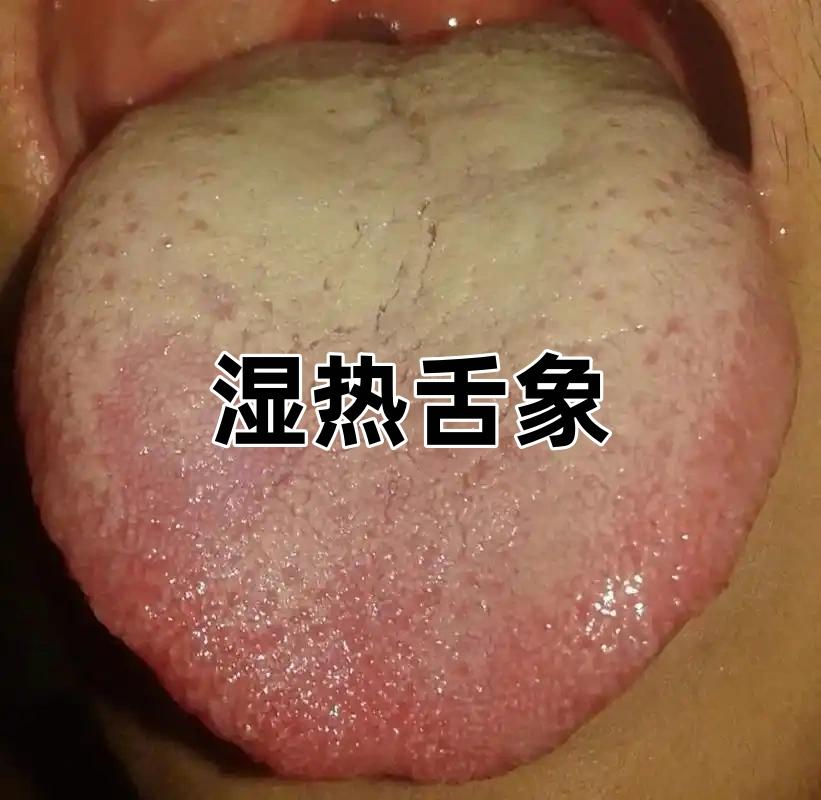
So, the correct approach to regulation should be carried out in three steps.
The first step is to clear damp-heat. This is like giving your body a thorough cleanup, flushing out all that damp-heat "garbage." You can refer to the Bazheng San formula and make adjustments based on your individual condition. In this formula, Dianthus superbus and Polygonum aviculare promote urination and relieve strangury, helping to unblock the body's waterways; Phellodendron and Gardenia clear heat and purge fire, eliminating the pathogenic heat; Akebia and Plantago seeds facilitate the flow of the water passages, allowing damp-heat to be expelled through urine.
The second step is to regulate the spleen and stomach. The spleen and stomach act as the body's "quartermaster," responsible for fluid metabolism. After clearing damp-heat, it's essential to nourish and regulate the spleen and stomach to prevent damp-turbidity from accumulating again. At this stage, the Sijunzi Tang formula comes into play, as it strengthens the spleen and boosts qi, addressing the root cause of phlegm production. You can also add a bit of Chenpi, which regulates qi and resolves phlegm, ensuring the spleen and stomach function more smoothly.
Step 3, Tonifying the Kidneys. Only after the damp-heat has been completely cleared and the spleen and stomach have been regulated can you begin tonifying the kidneys. However, you must not recklessly tonify the kidneys. First, you need to distinguish clearly based on your symptoms and constitution whether it's kidney yin deficiency or kidney yang deficiency, and then use targeted medication accordingly. One crucial point to remember is that tonification must only be performed after the damp-heat has been completely cleared. Otherwise, taking tonifying herbs will only exacerbate the production of dampness and phlegm, rendering all previous efforts futile.
However, it's important to remind everyone that TCM emphasizes syndrome differentiation and treatment selection based on the specific pattern. Different symptoms require different formulas to achieve a cure. If you experience symptoms similar to those described, the first step is to observe your tongue. Please take a photo of your tongue coating, describe your symptoms, and send them to me. I will provide a free pattern differentiation to determine the general direction for your treatment.