For head blood stasis, use Chuanxiong; for joint blood stasis, use Spatholobus stem; for liver blood stasis, use Curcuma.
Today, let's talk about promoting blood circulation and removing blood stasis. I'll explain to everyone what Chinese herbs to use for blood stasis in different parts of the body, from head to toe. Not saving this information would be a huge loss!

First, let's talk about the situation where there is blood stasis in the head. If there is blood stasis in the head, you'll experience severe headaches, as if a needle is pricking inside your brain. Moreover, the pain location is fixed; it won't hurt here one moment and there the next. At night, the pain intensifies, making you toss and turn, unable to sleep. Even if you do fall asleep, you'll have constant dreams. The next day, your memory also deteriorates. In this case, you can consider using Chuanxiong combined with Safflower. The herb Chuanxiong is like a "little dredger" that specifically targets the head, helping to dredge the blood stasis there. Safflower is also a great hand at activating blood circulation. When paired with Chuanxiong, the effect is outstanding.
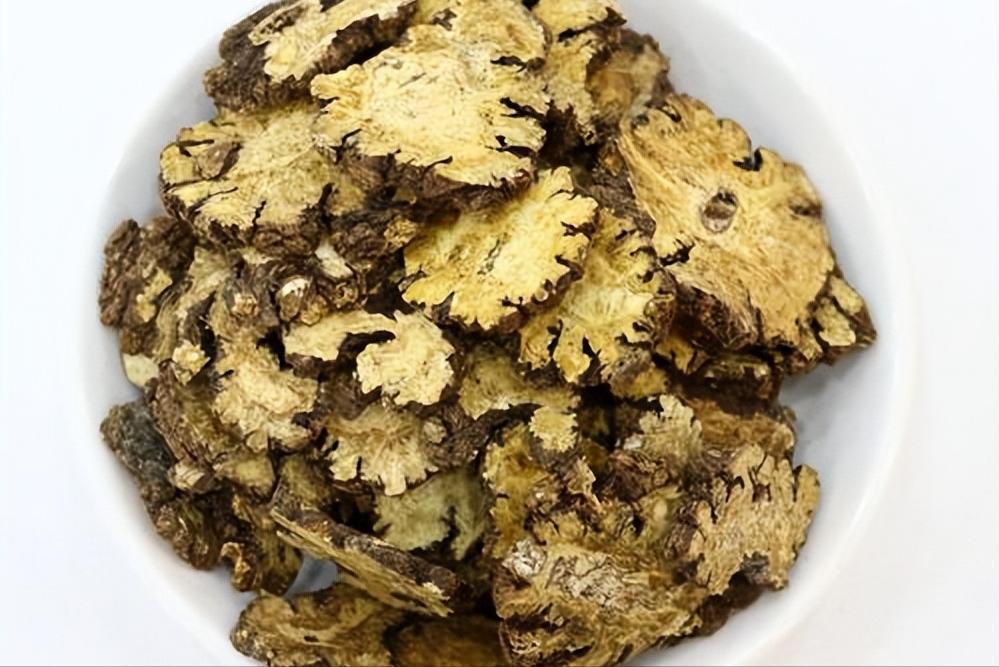
Now let's discuss the situation of blood stasis in the joints. Nowadays, many people often experience joint pain, particularly in the lumbar area. For those who are slightly older, the flexion and extension of the knee joints become less smooth, and mobility is restricted. After walking just a few steps, they may feel numbness and weakness in the joints, which may also become swollen and stiff. When exposed to cold, the pain intensifies further. In reality, this is often due to blood stasis in the tendons and joints. In such cases, we can use Spatholobus stem, combined with Astragalus root and Licorice root. Spatholobus stem has the ability to invigorate blood circulation and unblock the collaterals, thereby resolving the blood stasis in the joints. Astragalus root can tonify qi; when qi is sufficient, blood circulates more smoothly. Licorice root, on the other hand, harmonizes the properties of the herbs, allowing these ingredients to work more effectively.
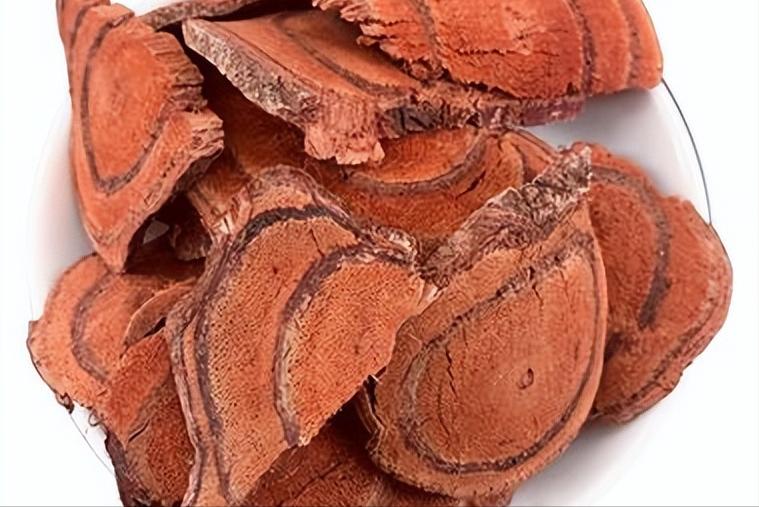
Lastly, let's talk about the situation of blood stasis in the liver. The liver is responsible for ensuring the free flow of qi and blood throughout the body. When the qi and blood in the liver do not flow smoothly, it can easily lead to the formation of blood stasis. Individuals with liver stagnation and blood stasis often have an irritable temper, prone to anger, and frequently experience a feeling of fullness and distension in the chest and hypochondriac region. Their complexion tends to be dull and dark. In modern times, factors such as high stress, frequent late nights, and alcohol consumption are common contributors to liver qi stagnation, which can subsequently lead to blood stasis. In such cases, we can use Curcuma root. Curcuma root has the ability to soothe the liver, relieve depression, invigorate blood circulation, and alleviate pain, thereby resolving blood stasis in the liver and promoting the smooth flow of liver qi.
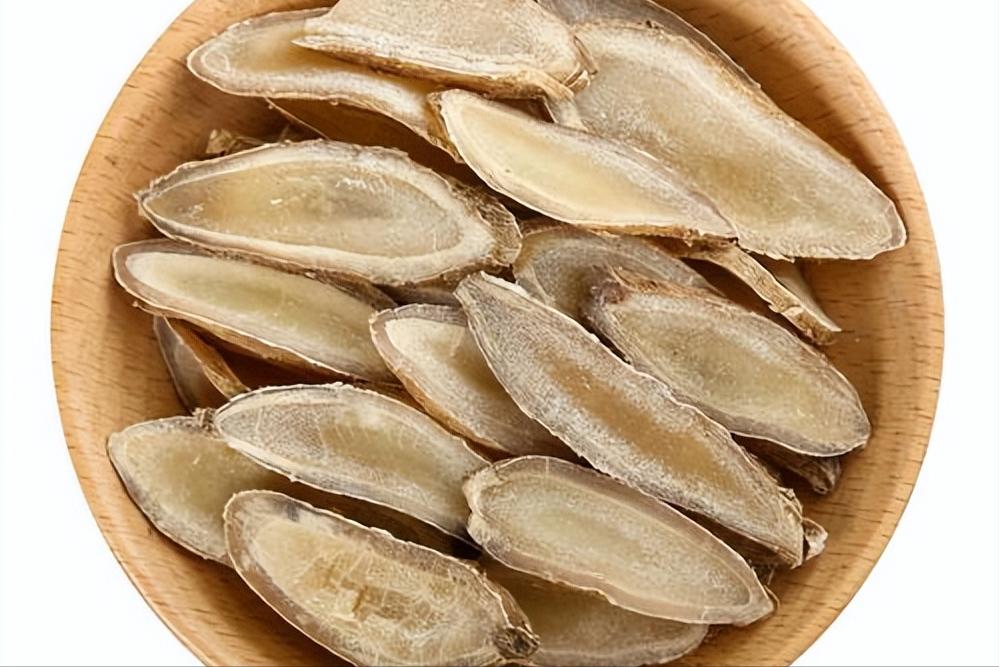
However, it's important to remind everyone that TCM emphasizes syndrome differentiation and treatment selection based on the specific pattern. Different symptoms require different formulas to achieve a cure. If you experience symptoms similar to those described, the first step is to observe your tongue. Please take a photo of your tongue coating, describe your symptoms, and send them to me. I will provide a free pattern differentiation to determine the general direction for your treatment.