Why Does Traditional Chinese Medicine Say, "For all chronic diseases, treat the spleen for yang deficiency, and treat the stomach for yin deficiency"?
There is an old saying in Traditional Chinese Medicine: "For all chronic diseases, treat the spleen for yang deficiency, and treat the stomach for yin deficiency." What exactly does this mean? Simply put, no matter what illness lingers without improvement, the first step is always to regulate and strengthen the spleen and stomach. Why? Because the spleen and stomach are like the "food processing plant" within the body. When the spleen and stomach function well, Qi and Blood become sufficient, and Qi and Blood act as our body's "immunity shield." With them intact, illness can be resolved more quickly.
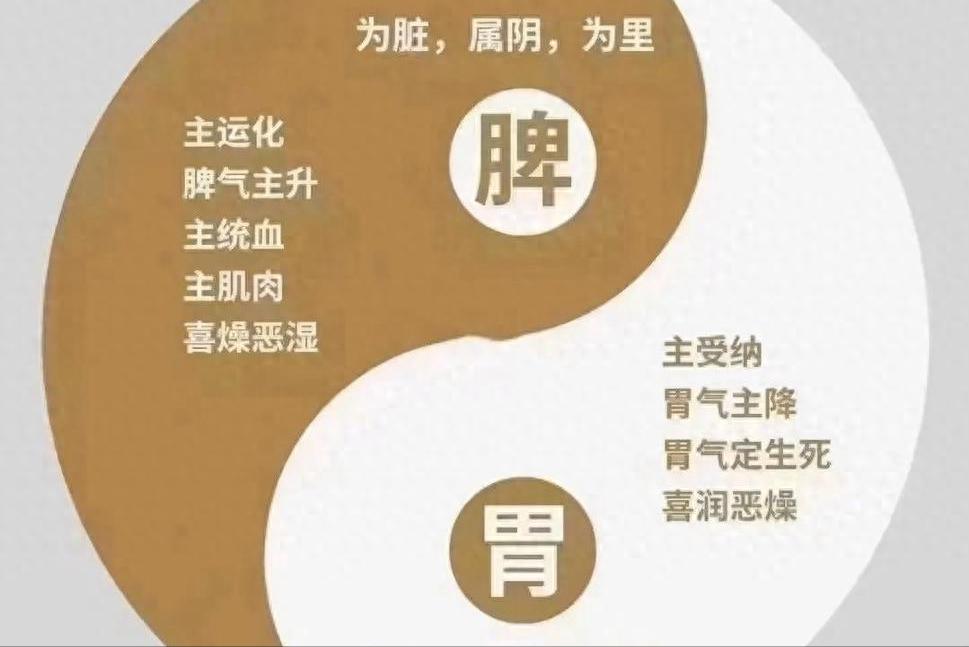
If treatment only focuses on the symptoms without considering whether the spleen and stomach can tolerate it, the outcome is sure to be poor! The medicine is taken, the illness doesn't improve, but instead, the spleen and stomach are further damaged, ultimately leaving the body increasingly weak. Look at the formulas in the *Treatise on Cold Damage Disorders*: eight or nine out of ten contain Zhi Gancao (honey-fried licorice root) and Dazao (jujube fruit). While these two ingredients may seem ordinary, they actually serve to "escort and protect" the spleen and stomach. Also, famous ancient physicians like Li Dongyuan and Ye Tianshi prioritized regulating the spleen and stomach in their treatments. These experiences are truly worth learning from!
For example, some people always have clear, watery discharge, or so much leucorrhea that it can’t be stopped. Nutrients are “leaking” from below—how could the body possibly be well? In such cases, the first step is to nourish the spleen and stomach. Once spleen-stomach function recovers, the body is like a tightened “faucet”: damp-turbidity no longer runs downward, nutrients no longer drain away, and many ailments can gradually improve on their own.
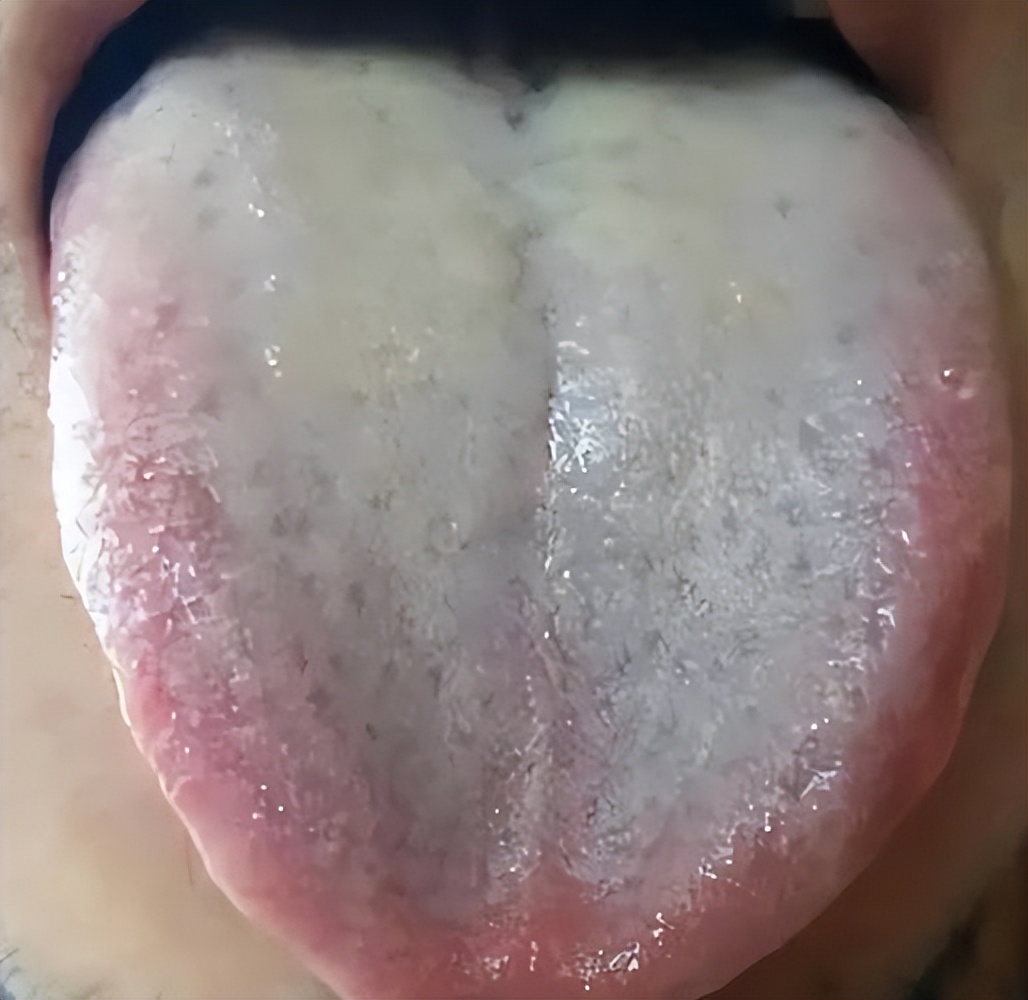
Another example is if you want to tonify qi and blood—a physician will surely ask first whether you have a good appetite and smooth digestion. Why? Think about it: if you can’t even digest three daily meals, wouldn’t taking tonifying herbs just be “adding insult to injury”? In the end, it would only lead to internal heat or chest tightness—what’s often called “deficiency unable to receive tonification.” If the tongue coating is thick and greasy on top of that, it’s even more important to regulate the spleen and stomach first.
How exactly do you regulate them? If you notice a white, thick tongue coating, a pale tongue body, cold hands and feet—this is likely yang deficiency, so focus on regulating the spleen! Formulas like Sijunzi Tang (Four Gentlemen Decoction) and Lizhong Tang (Center-Regulating Decoction) are specifically designed to raise yang qi and nourish the spleen-stomach. Conversely, if the tongue is red with little coating, the mouth is dry, and the palms and soles feel hot, this may indicate stomach yin deficiency. In that case, use formulas such as Maimendong Tang (Ophiopogon Decoction) and Shashen Maimendong Tang (Adenophora and Ophiopogon Decoction), which specifically “nourish yin and replenish fluids” for the stomach.
Remember: the spleen and stomach are the body’s “foundation of health.” Keep them well-nourished, and you’ll avoid the majority of illnesses over a lifetime! Chinese medicine emphasizes pattern differentiation and treatment—different symptoms call for different formulas. Only then can the medicine effectively cure the disease. If you experience similar symptoms, the first step is to examine your tongue appearance. Send a photo of your tongue coating and describe your symptoms—I’ll provide a free pattern differentiation and determine the general direction for your regulation.