There are three levels of using Astragalus: tonifying Qi is just the beginning, while the third level is the pinnacle.
Today, let's talk about the herb Astragalus (Huangqi). While most people know it for tonifying Qi, in Traditional Chinese Medicine, there are three levels of using Astragalus. Tonifying Qi is merely the basic operation; it is only when you reach the third level that you have truly mastered its essence.
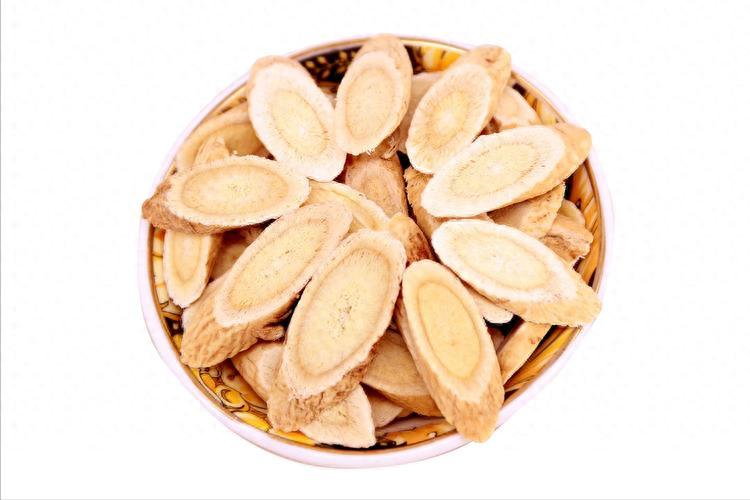
The First Level: Equipping the body with a "Golden Bell Shield" — Tonifying Qi and Securing the Exterior
The Qi supplemented by Astragalus (Huangqi) moves toward the surface of the body. To use an analogy, a person with Qi deficiency is like a drafty house; they catch a cold as soon as the wind blows and cannot stop sweating once it starts. The role of Astragalus is to "seal the windows" of the house, reinforcing the body's surface defenses.
How to use it?
The "Jade Windscreen Powder" (Yu Ping Feng San) by the ancient ancestor Zhang Zhongjing—a combination of Astragalus, Atractylodes (Baizhu), and Saposhnikovia (Fangfeng)—is a classic formula. Atractylodes is responsible for "closing the door and guarding the home" (strengthening the spleen and stabilizing the exterior), while Astragalus is responsible for "reinforcing the city walls" (supplementing Qi and stabilizing the exterior).
Who is it suitable for?
"Self-sweaters" who break into a sweat at the slightest physical exertion;
"Weaklings" who catch a cold as soon as the temperature drops and take half a month to recover;
People who lack strength in their voice, have a pale complexion, and constantly complain of fatigue.
Note: People with an excess-heat constitution (such as those with a fever or sore throat) should not use it; otherwise, it will only worsen the internal heat.
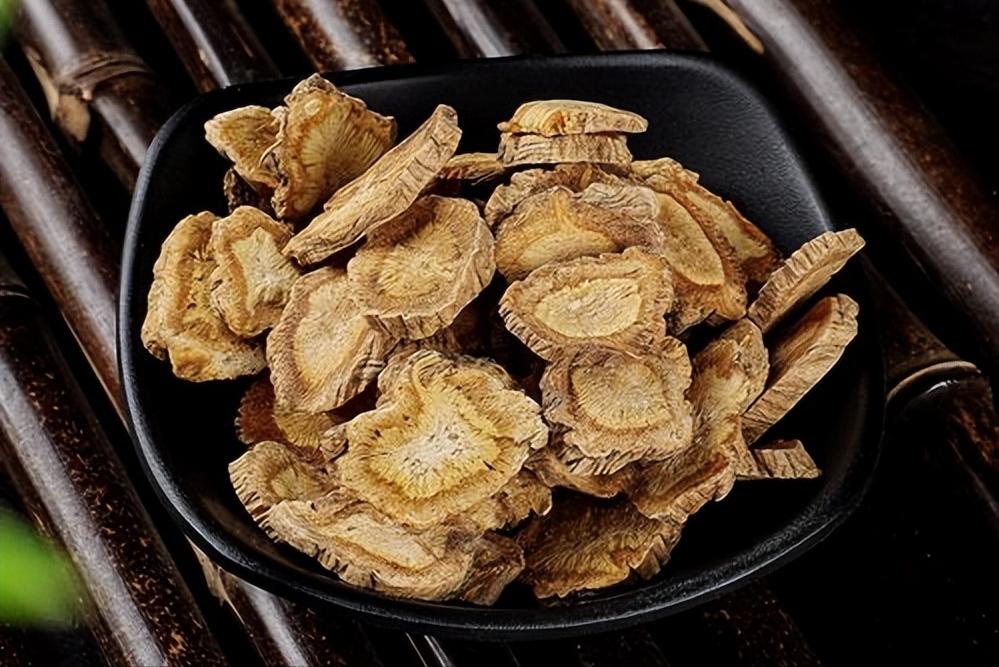
The Second Level: "Lifting" the Qi — Raising Yang and Lifting Sinking
The "second trick" of Astragalus is its ability to raise Yang and lift sinking. When Qi is sufficient, it can hold the internal organs in place; when Qi is deficient, the organs begin to sag. For example:
Shallow breathing and a lack of strength when speaking, as if a stone is pressing on the chest;
Gastroptosis (a feeling of abdominal bloating and sagging after eating), uterine prolapse, or rectal prolapse;
Hands and feet feel as soft as noodles, and you're out of breath after climbing just two flights of stairs.
Traditional Chinese Medicine has a famous formula called Buzhong Yiqi Decoction (Astragalus + Cimicifuga + Codonopsis + Atractylodes, etc.). Astragalus is responsible for replenishing Qi, while Cimicifuga is responsible for "lifting" Qi—acting like an "elevator" for the body to lift sagging internal organs back up.
Clinical Case:
A middle-aged woman constantly felt lower back soreness and a dragging sensation in her lower abdomen after giving birth to her second child; an examination revealed a Grade II uterine prolapse. I prescribed a modified Buzhong Yiqi Decoction combined with Kegel exercises. Upon follow-up three months later, the position of her uterus had essentially returned to normal.
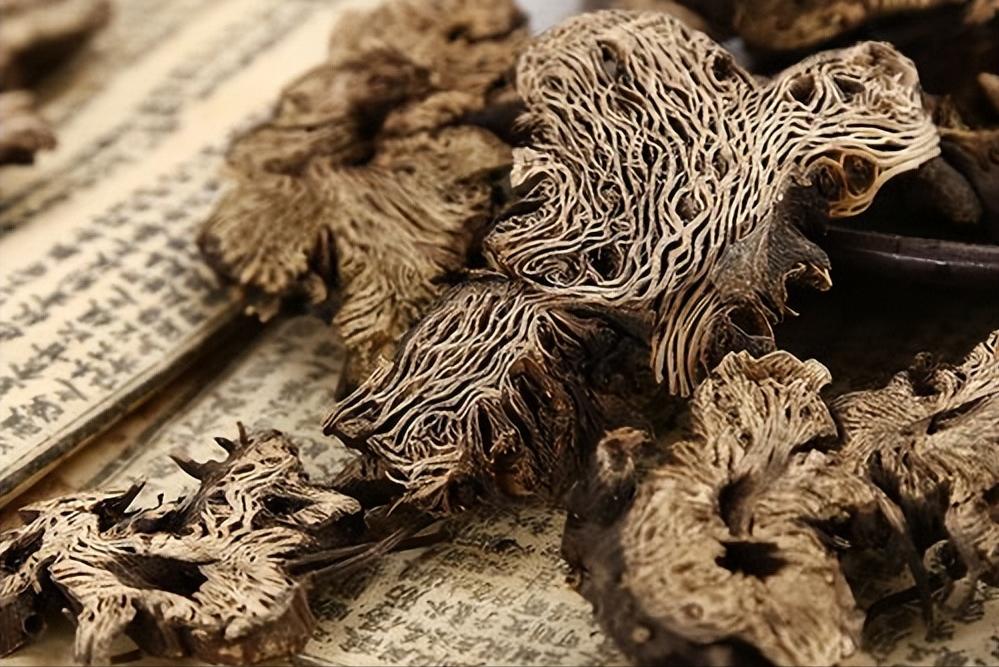
The Third Realm: Closing the "Bleeding Vents" — Supplementing Qi to Contain Blood
The third realm of Astragalus is "hemostasis." However, the hemostasis here is not a direct blockage, but rather "consolidating and containing" the blood by supplementing Qi. Traditional Chinese Medicine teaches that "Qi can contain blood." Qi acts like a "suction cup"; when Qi is deficient, blood tends to stray from its proper vessels.
Bleeding gums or nosebleeds that won't stop;
Menstruation drags on for over ten days with a pale color;
The skin bruises easily, turning purple with even a light touch.
Gui Pi Tang (Astragalus + Angelica Sinensis + Donkey-hide Gelatin + Codonopsis, etc.) is a classic formula. Astragalus replenishes Qi, Angelica nourishes the blood, and Donkey-hide Gelatin enriches Yin—it is equivalent to "reinforcing the blood vessels" while simultaneously "restocking the blood bank."
There was a young girl whose menstrual periods were like a "flood" every time—heavy flow, pale color, accompanied by dizziness and fatigue. I used a modified Guipi Decoction and had her start drinking it a week before her period. After three months, her menstrual flow returned to normal, and her complexion became rosy and healthy.
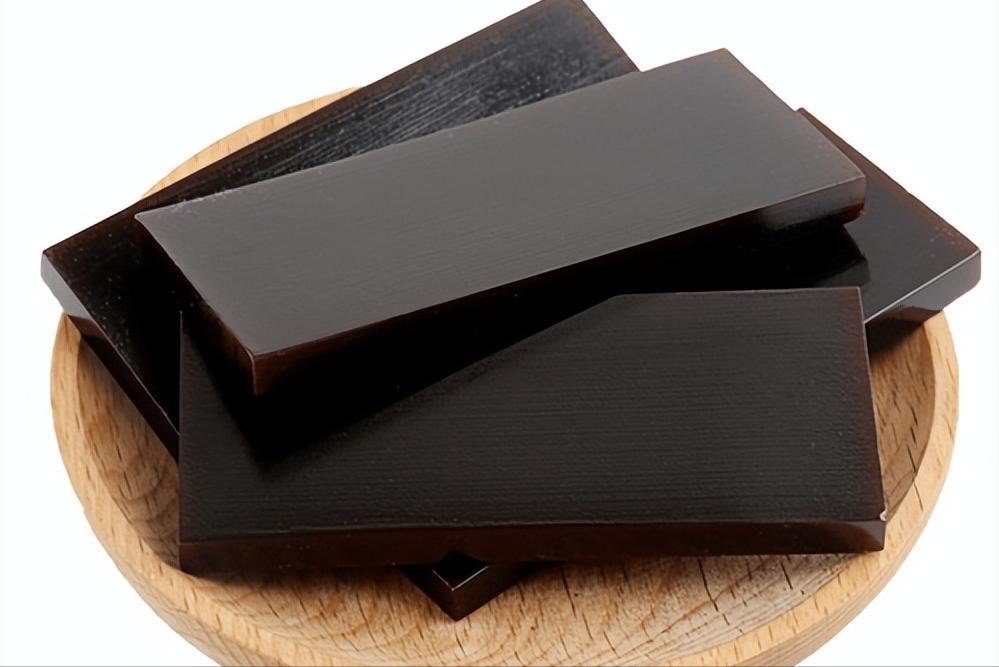
Astragalus's "Golden Partners"
Qi Deficiency + Heavy Dampness: Astragalus + Poria (Dispels dampness without damaging Qi);
Qi Deficiency + Blood Deficiency: Astragalus + Red Dates (Replenishes both Qi and Blood);
Qi Deficiency + Yin Deficiency: Astragalus + Ophiopogon (Prevents excessive internal heat).
Precautions:
Astragalus is warm in nature. Those with Yin deficiency and excessive fire (hot palms, dry mouth and throat) should use it with caution, or pair it with Yin-nourishing herbs such as Rehmannia root (Sheng Di) or Scrophularia (Xuan Shen);
Avoid use during colds, fevers, or acute inflammation, as it may "trap the pathogen inside";
Pregnant women and patients with hypertension must follow medical advice, as excessive dosage may cause dizziness.
Summary: While Astragalus is beneficial, it is only effective when used correctly. For spontaneous sweating due to Qi deficiency, use Jade Windscreen Powder (Yu Ping Feng San); for organ prolapse, use Tonify the Middle and Augment Qi Decoction (Bu Zhong Yi Qi Tang); and for persistent bleeding, use Spleen-Returning Decoction (Gui Pi Tang). Traditional Chinese Medicine emphasizes "syndrome differentiation"—even for the same symptoms, prescriptions must be adjusted based on individual constitutions.