Can Traditional Chinese Medicine tell what's wrong with you just by looking at your face?
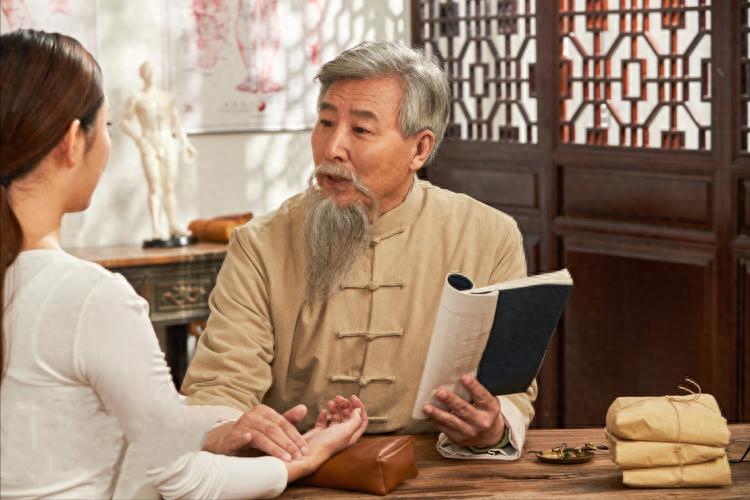
In Traditional Chinese Medicine (TCM), we can identify health issues just by observing the face. There is profound wisdom behind this, and today I’m going to share the secrets of TCM "Inspection Diagnosis" (Wang Zhen) with you.
Let’s start with the eyes. The eyes are the windows to the soul, and in TCM, they are closely linked to the Liver. If your eyes are dry, it is often due to a deficiency of Liver Blood. The Liver "opens into the eyes"; when Liver Blood is insufficient, the eyes lose their nourishment, leading to dryness and discomfort. If there are many red capillaries in the whites of the eyes, it usually indicates heat in the Heart and Lungs. The Heart governs the blood vessels and the Lungs govern Qi; when there is heat in these organs, the pathogenic heat rises, causing the whites of the eyes to become bloodshot. Large, sagging eye bags are often related to Spleen deficiency. The Spleen governs transportation and transformation; when the Spleen is weak and these functions are impaired, water and dampness cannot be metabolized properly, leading to the formation of eye bags. As for heavy eyelids, it is either due to a deficiency of Qi and Blood or heavy phlegm-dampness. With Qi and Blood deficiency, the eyelids lack sufficient nourishment and feel heavy; with heavy phlegm-dampness, the dampness obstructs the meridians, which also creates a sensation of heaviness in the eyelids.
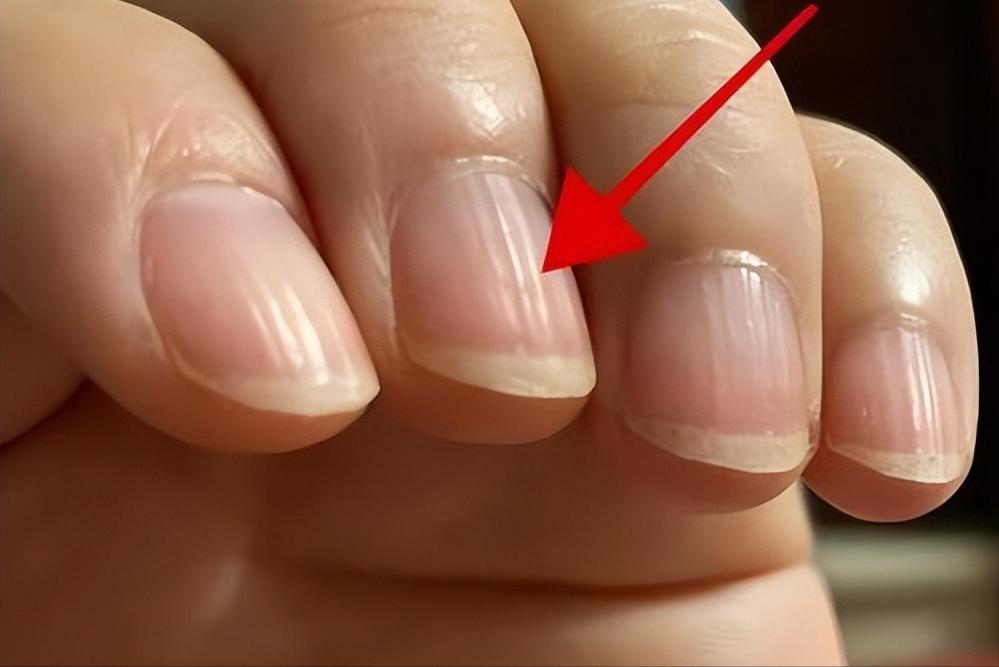
Next, look at the nails. Traditional Chinese Medicine (TCM) states that "the liver's health is manifested in the nails," meaning the condition of the nails reflects the state of the liver. If the nails are concave, it indicates insufficient liver Qi. The liver governs the tendons, and nails are considered an extension of the tendons; when liver Qi is deficient, the nails lack adequate nourishment and become sunken. If the nails turn black, the liver problem may be quite serious. The liver governs dredging and discharging; when issues arise, Qi and blood circulation become obstructed, leading to toxin accumulation that turns the nails black. Pale nails usually indicate a deficiency of liver blood. Without the nourishment of liver blood, the nails will appear white.
Moving on to the ears. The relationship between the ears and the kidneys is extraordinary, as "the ear is the opening of the kidney." The shape of the ear is related to the abundance or decline of kidney Qi. People with thick, large ears have sufficient kidney Qi. When kidney Qi is plentiful, the body is healthy and the ears grow thick and solid. Those with thin, small ears may have insufficient kidney Qi. When kidney Qi is deficient, various bodily functions decline, and the ears appear thin. Red and swollen ears indicate internal "fire" or heat. Since the kidney opens into the ear, heat pathogens in the kidney will be reflected there. Pale ears often signify Qi deficiency. When Qi is deficient, Qi and blood cannot rise to nourish the ears, causing them to look pale. A crease in the earlobe often suggests a high probability of coronary heart disease. TCM believes there is a connection between the earlobe and the heart; a crease may be a sign of poor Qi and blood circulation in the heart. Hard, bluish ears may indicate liver cirrhosis. The liver and kidneys are closely related; when the liver has problems, it affects the kidneys and reflects on the ears. Thin, translucent ears usually indicate a deficiency of both Qi and blood, as the body lacks the necessary substances to fill them out.
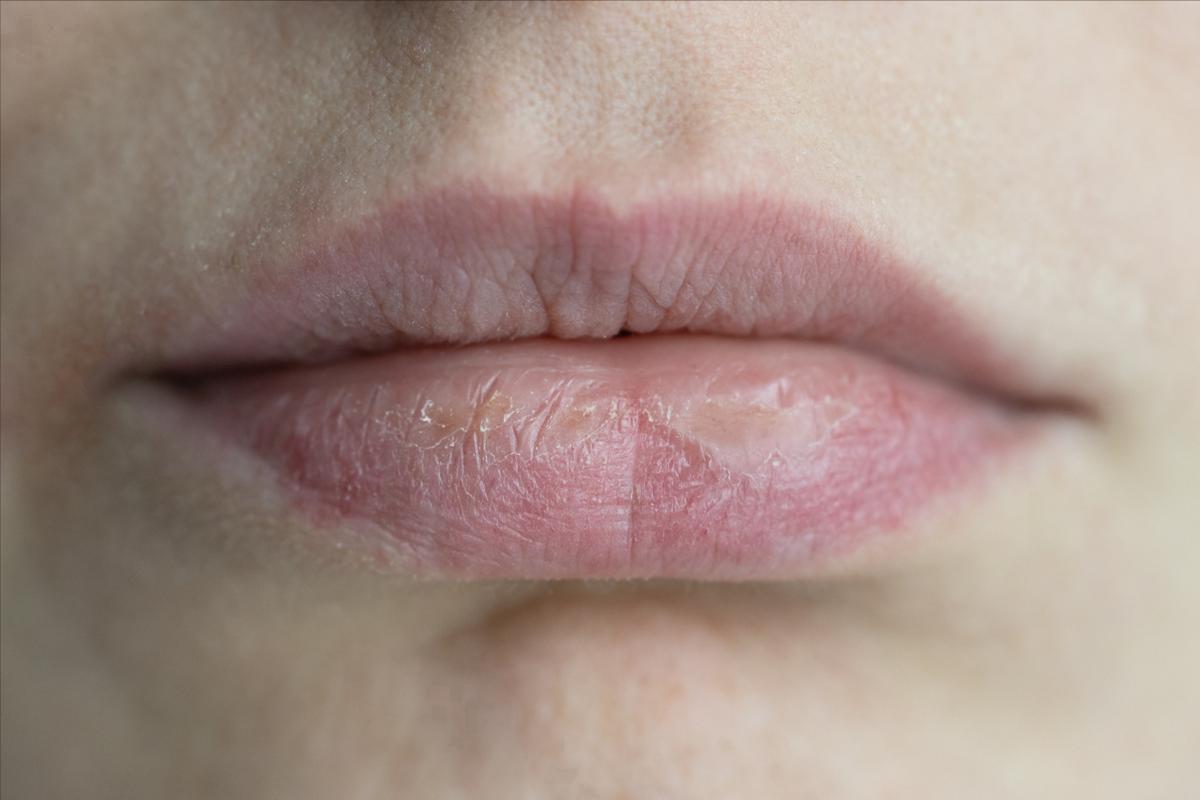
Now let's discuss the lips. The spleen governs the blood and opens into the mouth, with its health manifested in the lips. The state of the lips reflects the condition of the spleen. Pale lips may indicate a blood disorder. The spleen manages the blood; if spleen function is poor, blood circulation will be affected, causing the lips to turn white. Bright red lips usually indicate heat in the spleen meridian. When heat pathogens disturb the upper body, the lips become red. Peeling or cracked lips often suggest spleen dryness and a deficiency of body fluids. When spleen function is dysfunctional and fluids cannot moisturize the lips, they become dry and cracked. Dark or blackish lips usually indicate blood stasis. The spleen governs transport and transformation; if this function is poor, Qi and blood circulation become sluggish, easily producing blood stasis that manifests as dark lips.
Finally, the tip of the nose. The tip of the nose corresponds to the spleen, while the alae (sides) of the nose correspond to the stomach. A pale nose tip often indicates spleen Qi deficiency. When spleen Qi is weak, its transport function fails, and spleen essence cannot be sent to the upper burner, causing the tip to turn white. A red nose tip with acne indicates "fire" in the spleen or the presence of damp-heat. Internal heat or damp-heat in the spleen will manifest on the nose. A bluish nose tip suggests "cold" in the spleen and stomach. When the spleen and stomach are cold, Qi and blood circulation are obstructed, turning the nose tip blue, often accompanied by gastric pain. Peeling skin on the nose tip generally indicates spleen dryness consuming body fluids. When the spleen is dry and fluids are insufficient, the skin will peel. Visible broken capillaries (blood streaks) on the nose tip are often a sign of "liver fire attacking the spleen." The liver and spleen are closely linked; when liver fire is excessive, it affects the spleen, manifesting as blood streaks on the nose.
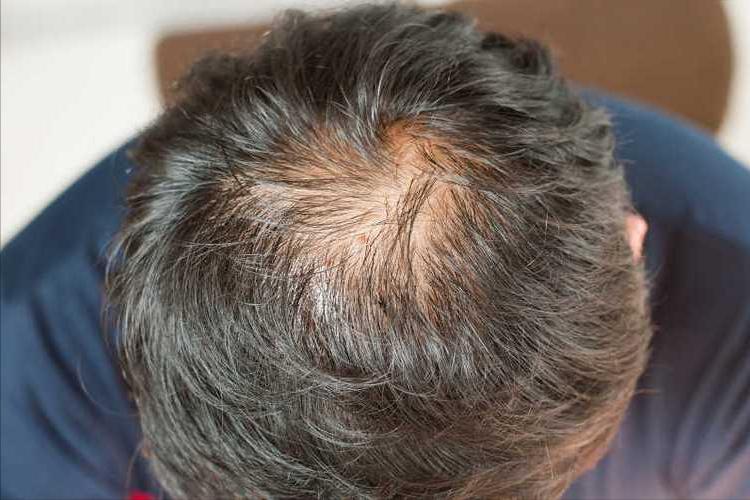
Hair can also reflect the state of one's health. As the saying goes, "Hair is the surplus of blood," meaning its condition reflects the abundance or deficiency of Yin blood. Thick, lustrous hair indicates sufficient Yin blood; when Yin blood is plentiful, the hair receives ample nourishment, becoming shiny and dense. Conversely, thin or sparse hair suggests a deficiency in Yin blood, as the hair lacks the necessary nourishment to thrive. Premature graying is often attributed to deficiencies in the liver and kidneys. When these organs are weakened and essence-blood is insufficient, hair turns white early. Significant hair loss is typically a sign of depleted Qi and blood, or a severe blow to one's "Yuan Qi" (original energy) following a major illness. When the body's Qi and blood are exhausted, the hair loses its foundation and falls out easily. Oily hair often indicates damp-heat in the Spleen Meridian. When damp-heat steams upward, it causes the hair to become greasy. Finally, dry and yellowed hair usually points to a lack of nourishment from liver blood. When liver blood is insufficient to sustain the hair, it becomes brittle, parched, and yellowish.
Finally, let's discuss the teeth. Teeth are considered an extension of the bones, and since the kidneys govern the bones, the condition of one's teeth reflects the vitality of kidney qi. Loose or thinning teeth and receding gums often indicate insufficient kidney qi. When kidney qi is deficient, the bones do not receive adequate nourishment, causing the teeth to become loose and sparse. Red and swollen gums are usually caused by "flaring stomach fire." When stomach fire is excessive and rises to the gums, they become red and swollen. Pale and lusterless gums typically suggest a deficiency of qi and blood. When qi and blood are weak, the gums do not receive sufficient nourishment, resulting in a pale and dull appearance.
Take a look, everyone—isn't the diagnostic method of "observation" in Traditional Chinese Medicine truly profound? By observing these specific areas of the face, one can gain a general understanding of their physical health. If you're feeling unwell, you might want to look for the underlying causes through these indicators.