Guizhi (Cinnamon Twig) and Rougui (Cinnamon Bark) share the same origin, but their effects are worlds apart: one targets the limbs, while the other enters the kidneys.
Today, I want to talk to you about two medicinal herbs: Guizhi and Rougui. Many people might not realize that although Guizhi and Rougui come from the same plant, their therapeutic effects are vastly different.
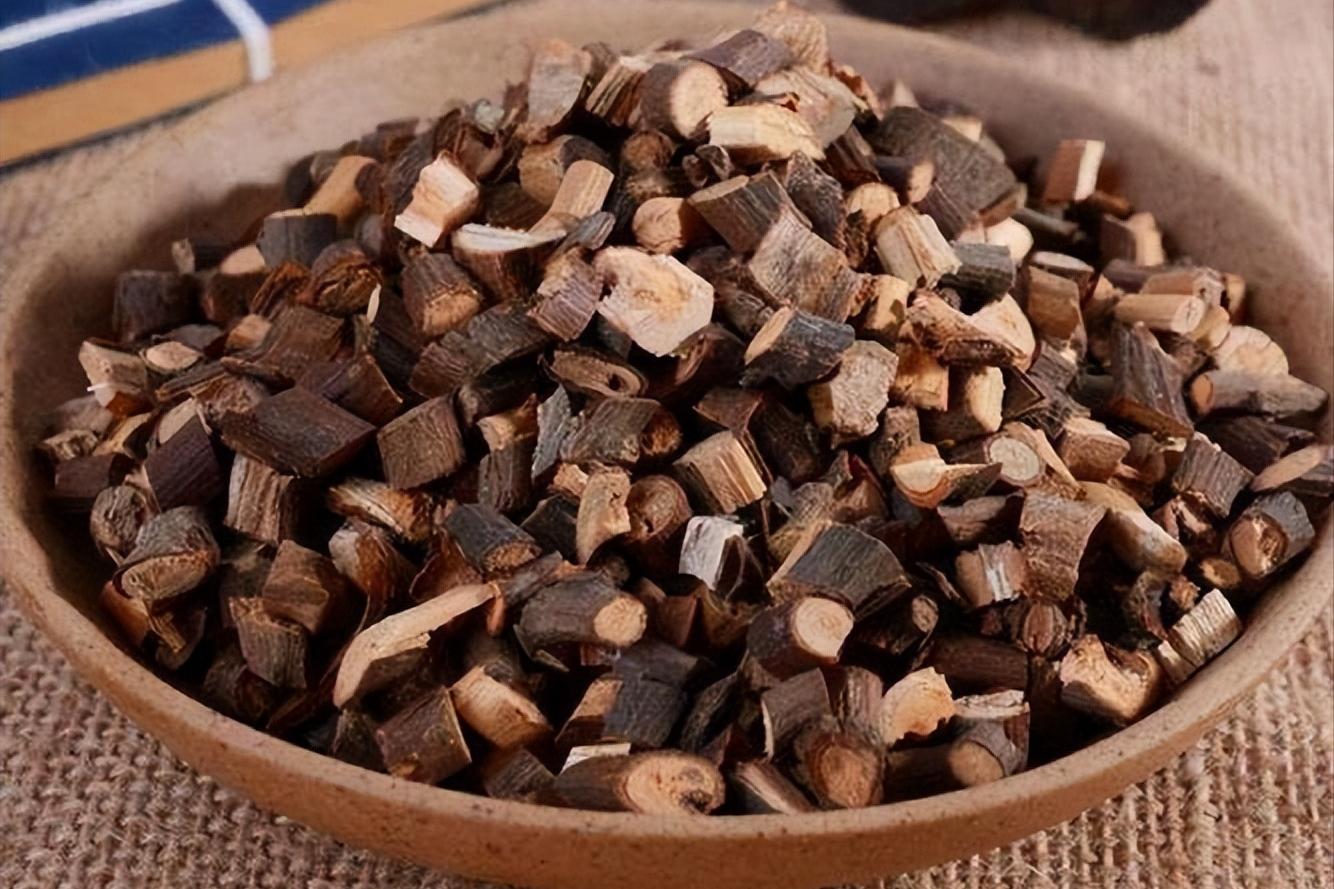
Both of these medicines come from the cinnamon tree. Guizhi is taken from the branches of the tree; when selecting it, the closer to the slender tips of the branches, the better. Rougui, on the other hand, is the bark from the part of the tree closer to the roots; the thicker it is, the better. This difference in the harvested parts directly leads to variations in their medicinal properties and efficacy.
First, let's talk about Guizhi (Cinnamon Twig). This herb is acrid, sweet, and warm in nature, and it enters the Heart, Lung, and Bladder meridians. It possesses a unique ability: it travels to the limbs. In Traditional Chinese Medicine, we say that the body is healthy only when the meridians, Qi, and blood flow smoothly. Guizhi can unblock the meridians and circulate Qi and blood in the four limbs. If someone suffers from numbness or pain in the hands and feet, Guizhi is very appropriate. For example, there is a formula called Huangqi Guizhi Wuwu Tang (Astragalus and Cinnamon Twig Five-Substance Decoction), which utilizes Guizhi's characteristic of traveling to the limbs and smoothing Qi and blood to treat pain caused by Qi deficiency and blood stagnation.
Guizhi also has the effect of warming Yang and promoting diuresis. If our body is invaded by external pathogens and the Ying (nutritive) and Wei (defensive) levels become disharmonized, conditions like urticaria or a wind-cold common cold may occur. This is where Guizhi comes in handy; it can harmonize the Ying and Wei and expel the pathogenic factors.
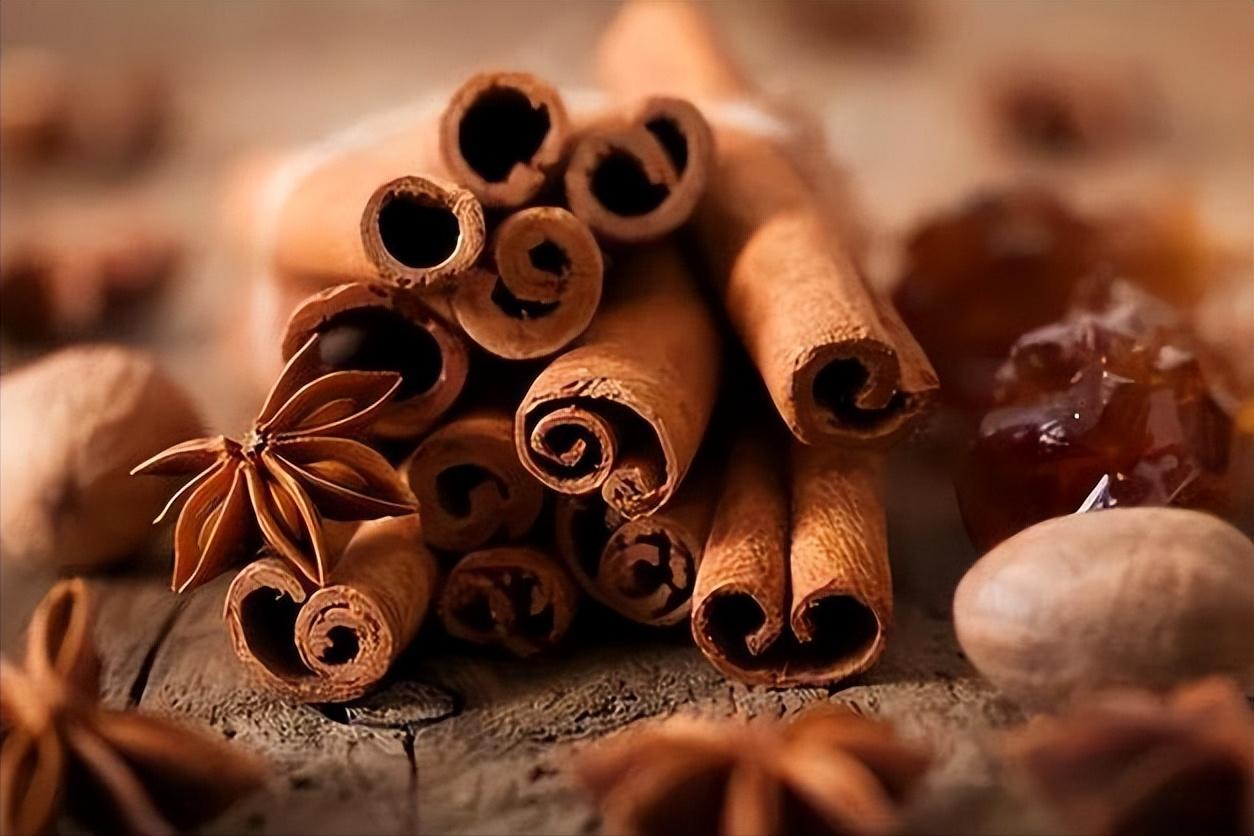
Now, let's talk about Rougui (Cinnamon Bark). Rougui is different from Guizhi; it primarily acts on the interior and enters the Kidney meridian. Rougui has a thick, intense flavor and a mobile, piercing nature, allowing it to rapidly warm and tonify Yang energy while dispersing cold and relieving pain. In TCM, the Kidney is considered the "foundation of prenatal life"; only when Kidney Yang is sufficient can the body remain warm. Rougui can warm Kidney Yang, making the body's Yang energy more abundant.
For instance, there is Fuzi Lizhong Wan (Aconite Pill to Regulate the Middle); when Rougui is added, it becomes Guifu Lizhong Wan, which has a stronger effect on warming Yang and circulating blood. There is also Yougui Wan, where Fuzi (Aconite) and Rougui are paired together to further replenish Yang energy and enhance astringent power, improving issues throughout the body such as cold intolerance and incessant sweating.
So, don't underestimate Guizhi (Cinnamon Twig) and Rougui (Cinnamon Bark). Although they come from the same tree, their effects are vastly different, and one must distinguish between them when using them.