Understanding Liver, Spleen, and Kidney Functions through the Proverb: "Loss of Libido Signals Kidney Exhaustion, Loss of Speech Signals Qi Exhaustion, and Loss of Appetite Signals Spleen Exhaustion"
In Traditional Chinese Medicine (TCM), there is a saying: "Loss of libido signals kidney exhaustion, loss of speech signals Qi exhaustion, and loss of appetite signals spleen exhaustion." Why is this the case? Today, let's talk about it.
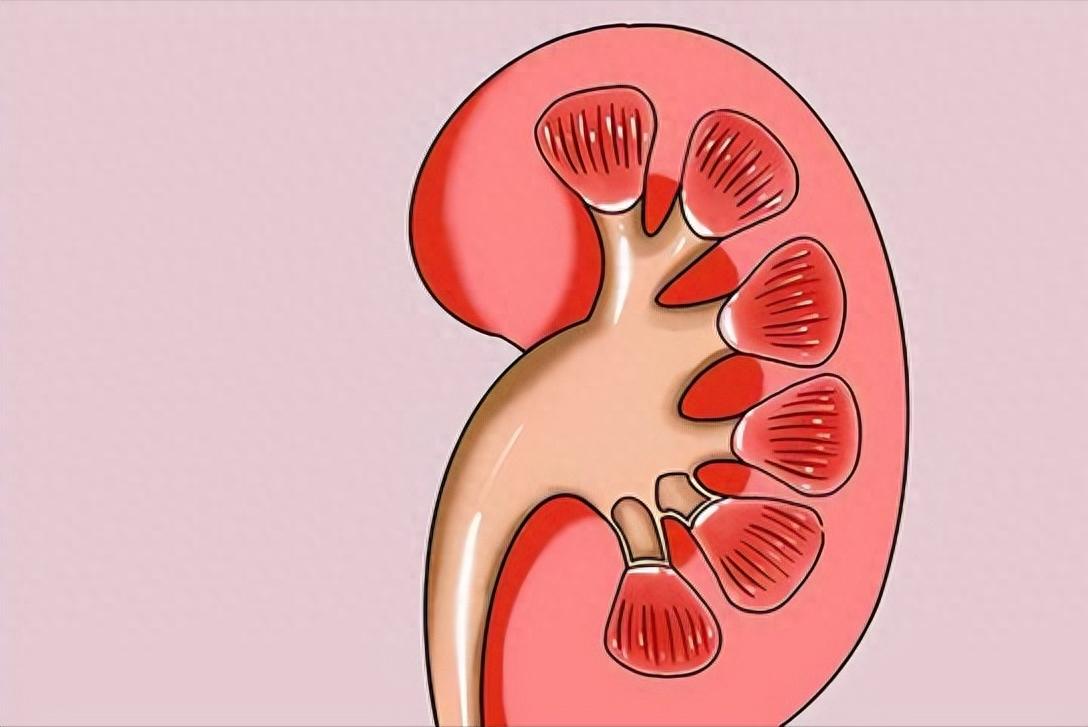
First, let's discuss "Loss of libido signals kidney exhaustion." People with exhausted kidneys have absolutely no interest in the opposite sex; they experience significant hair loss, and their lower back and knees feel so weak and sore that it's like walking on cotton, making every step a struggle. Looking at their faces, the complexion and eye circles appear dark, and the auricles of the ears are withered. In TCM, the kidney is the body's "power bank," governing reproduction and essence (Jing-Qi). Essence is like the battery level in a power bank; if the essence is depleted, it's like a phone running out of power and shutting down automatically—no matter how you try to charge it, it won't take, and external stimuli become useless. For cases of Kidney Yang deficiency and Kidney Essence deficiency, one might consider Gui Fu Di Huang Wan as a reference. However, if the deficiency of both Yin and Yang is more severe, it is essential to seek a professional doctor for a proper diagnosis and treatment plan.
Next, let’s discuss "those who do not speak have exhausted their Qi." People with exhausted Qi are too lethargic to speak or move; even after saying just a few words, their voice becomes increasingly faint, their breathing becomes shallow, and they pant. Why does this happen? Because Qi is the fundamental driving force of life activities, and Lung Qi, in particular, governs vocalization. When Qi is exhausted, it is like a mobile phone losing its signal—it cannot transmit information outward, so naturally, the person cannot speak. However, there is another type of person who simply refuses to speak, keeping all their thoughts bottled up inside while feeling chest tightness and irritability; this is often a manifestation of Liver Qi stagnation and must be carefully distinguished. For those with Qi deficiency, we can use Bu Fei Wan; for those with Qi stagnation, Si Ni San is more appropriate.
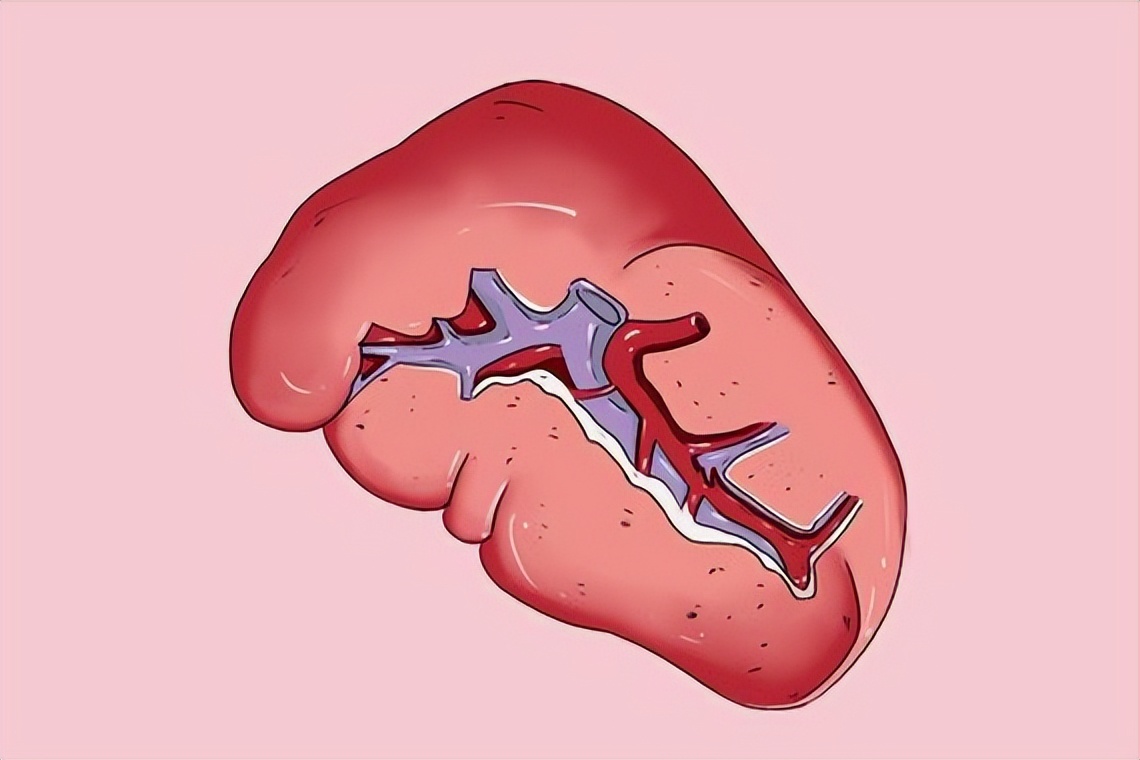
Finally, let’s talk about "those who do not eat have exhausted their Spleen." People with Spleen exhaustion have no appetite even when the finest delicacies are placed before them. Eating even a small amount leads to abdominal bloating and indigestion, and undigested food can be seen in their stools. Their hair is also thin, dry, and lacks any luster. In Traditional Chinese Medicine, the Spleen is responsible for transforming food into Qi and Blood energy—acting like a courier station that processes and transports what we eat to the entire body. When the Spleen is exhausted, it is as if the courier station has completely paralyzed; new goods cannot come in, inventory is depleted, and the whole body starves. In such cases, one can refer to Si Jun Zi Tang to invigorate the Spleen Qi. If there is also food stagnation, it can be combined with Bao He Wan to aid digestion.
If you find yourself in a similar situation, do not take it lightly; timely regulation is the key.