Stop Focusing Only on Bupleurum and Tangerine Peel: Platycodon and Ephedra Are the Real "Powerhouses" for Soothing the Liver
Usually, when we talk about soothing the liver, many people's first reaction is to think of common herbs like Bupleurum (Chaihu) and Tangerine Peel (Chenpi). In fact, within the treasure trove of Traditional Chinese Medicine, there are two other herbs—Platycodon (Jiegeng) and Ephedra (Mahuang)—which might actually be the ultimate qi-regulating medicines for unblocking the vital energy of heaven and earth.
Let me tell you about my experience learning medicine from my master 20 years ago. Back then, I saw many patients with liver qi stagnation. My master would often prescribe herbs like Bupleurum, Cyperus (Xiangfu), and Tangerine Peel, generally following classic formulas such as Chaihu Shugan San or Xiao Yao San. I must say, for some patients, the effects were immediate after just a few doses; symptoms like chest tightness and distending pain in the hypochondriac region were quickly relieved.
However, for some patients who have suffered from liver qi stagnation for a long time, the situation is much more complex. They experience chest tightness and distension in the hypochondriac region for extended periods, and even when using liver-soothing medications or increasing the dosage, the results remain poor. I was quite puzzled at the time and went to ask my master what was going on. My master told me, "You could try adding some Platycodon (Jiegeng)."
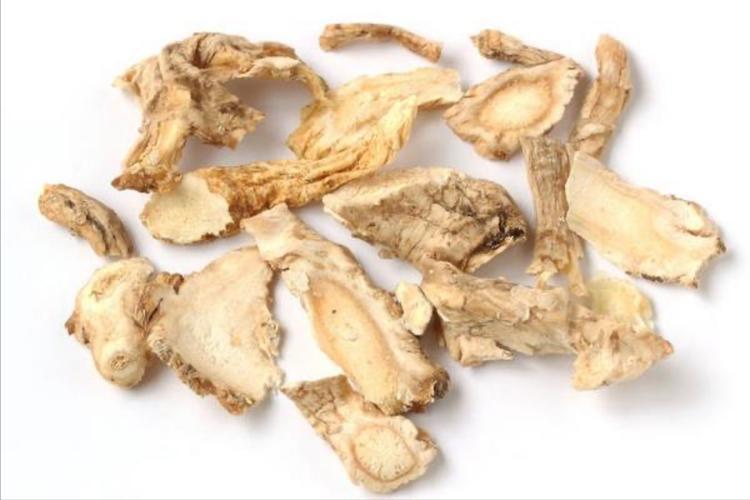
I was bewildered at the time. Isn't Platycodon a herb that enters the Lung meridian? What does it have to do with liver stagnation? My master told me to figure it out for myself. Later on, I actually did. In Traditional Chinese Medicine, Platycodon has a special function called "lifting the teapot lid." What does that mean? It's like a teapot where the spout is blocked and the water won't pour out. If you open the lid to let air in, the water flows out smoothly. Platycodon serves this same purpose in the human body; it can treat rebellious qi. For patients with chronic coughs, Platycodon is frequently used because it can diffuse and unblock Lung qi.
Think about it: if qi becomes stagnant in the body, herbs like Fructus Aurantii Immaturus (Zhishi) and Bupleurum (Chaihu) can move qi up and down, but if the "orifices" of the lungs are not clear, the qi has no way to diffuse to other areas. The Lung is the gateway for the qi of the entire body; if this gateway is blocked, how can qi circulate? Therefore, if you want the qi to flow, you must open the Lung orifices.
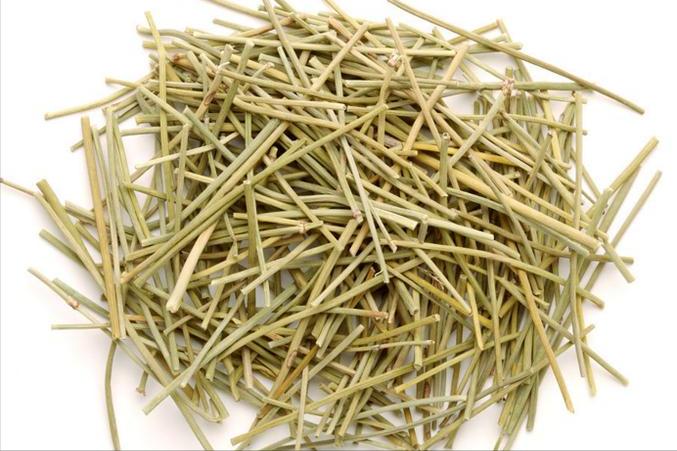
In addition to Platycodon, a small amount of Ephedra (Mahuang) can also be considered as a companion herb when soothing the liver. Most people know Ephedra for its ability to induce sweating and release the exterior, but it also functions to diffuse the lungs and calm wheezing. Adding a touch of Ephedra to a liver-soothing prescription can also help diffuse Lung qi and facilitate the overall flow of the body's qi mechanism.
I shared my thoughts with my mentor, and he validated them. I then applied this method to my patients, and to my surprise, it actually worked. Since then, I have continued to use this experience to this day. So, today I am sharing this insight with everyone. I hope that in the future, when you are soothing the liver, you won't just focus on common tricks like Bupleurum and Tangerine Peel; herbs like Platycodon and Ephedra might just bring you unexpected surprises.