Angelica combined with Rehmannia ensures sufficient essence and blood; Salvia combined with Notoginseng keeps blood vessels clear; Astragalus combined with Peony stops spontaneous sweating.
Today, I want to share a few "secret" medication tips from veteran TCM practitioners: Angelica combined with Rehmannia can ensure sufficient essence and blood; Salvia combined with Notoginseng can keep blood vessels clear; and Astragalus combined with Peony can stop spontaneous sweating. If you can remember even one of these, you will truly benefit.
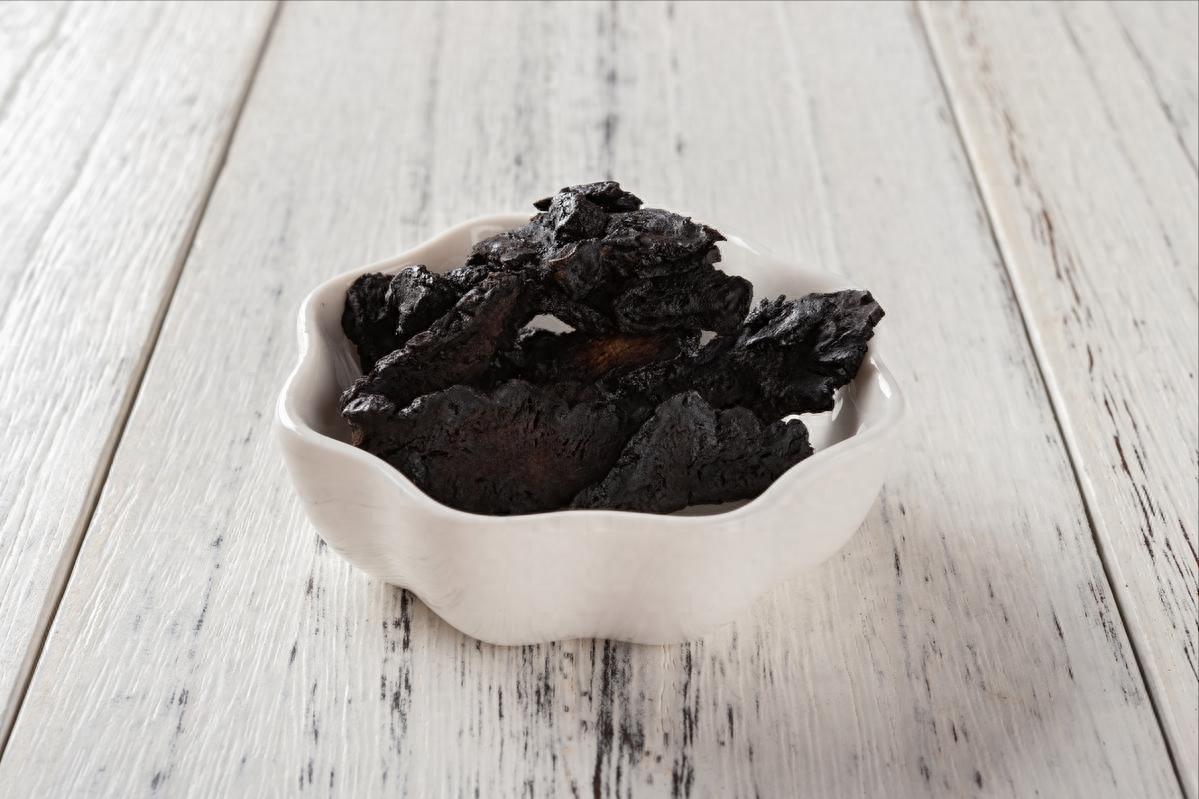
First, let's talk about Angelica and Rehmannia. Nowadays, many people suffer from insufficient kidney essence, constantly feeling weakness in the waist and knees, dizziness, ringing in the ears, poor sleep, and frequent insomnia or forgetfulness. In these cases, people often think about tonifying the kidneys. However, after trying various supplements, they find no effect. From a TCM perspective, tonifying the kidneys shouldn't just focus on kidney essence; you must tonify both essence and blood. Why? Because essence and blood share the same source. If kidney essence is deficient for a long time, the blood will inevitably be affected. Rehmannia is a herb that can tonify the kidneys and replenish essence, acting like "refueling" the kidney essence; Angelica, on the other hand, can supplement and nourish the blood, "recharging" the bloodstream. One tonifies essence and the other tonifies blood; when paired together, the effect of tonifying the kidneys is twice as effective with half the effort.
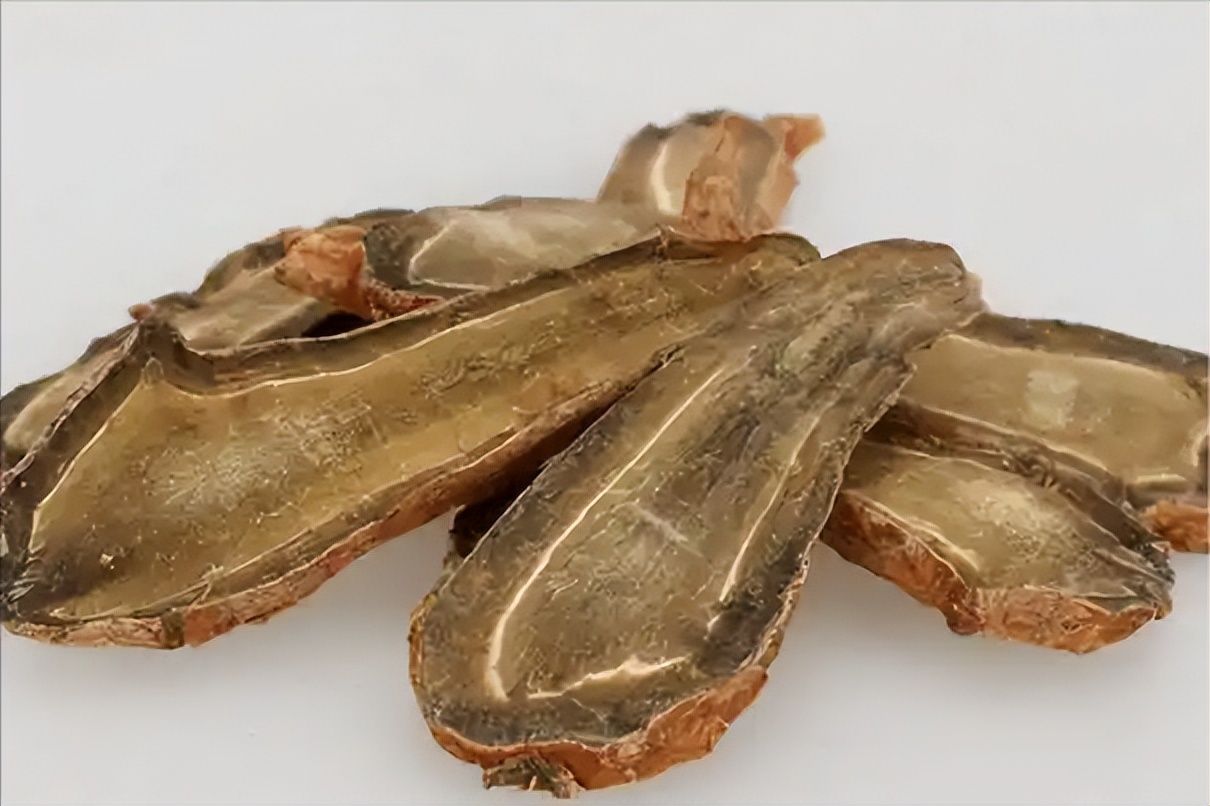
Next, let's talk about Salvia miltiorrhiza (Danshen) combined with Panax notoginseng (Sanqi). Everyone knows that Danshen is an excellent herb for promoting blood circulation and removing blood stasis. If you have severe blood stasis—manifesting as chest tightness, stabbing pains, a dizzy and aching head, insomnia with excessive dreaming at night, or purple veins under the tongue—using Danshen for conditioning is very appropriate. However, Danshen is bitter and cold in nature, which can easily damage the body's vital energy (Zheng Qi). People who already have insufficient Qi and blood might become increasingly weak after taking it. In such cases, you must add Sanqi. Sanqi is warm in nature and also possesses the effect of promoting blood circulation and removing stasis. Furthermore, Sanqi can neutralize the coolness of Danshen and strengthen the potency of blood circulation. It acts like a "deep cleaning" for the blood vessels, ensuring they are not blocked and allowing Qi and blood to flow more smoothly.
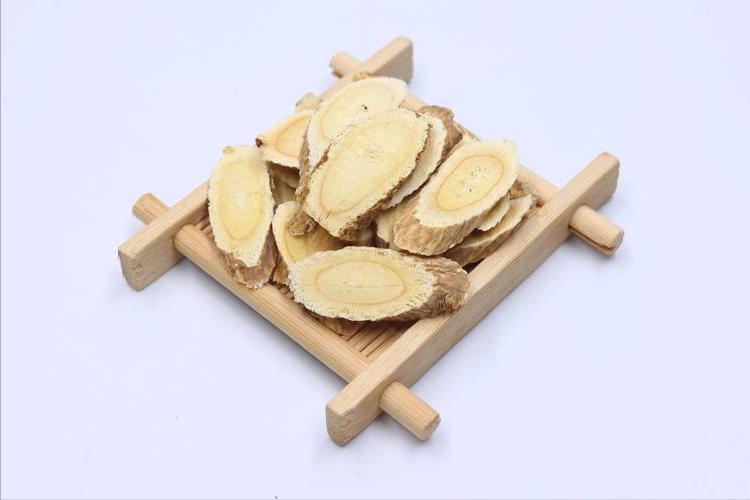
Finally, let's discuss Astragalus (Huangqi) combined with Peony Root (Shaoyao). Some people break into a sweat at the slightest movement and feel weak all over; this is often due to Qi deficiency leading to "sweat desertion." Huangqi can consolidate the exterior and restrain sweating, but it can easily cause internal heat (Shanghuo). This is when White Peony Root (Baishao) is needed as a partner. Baishao can nourish Yin, enrich the blood, and restrain Yin to stop sweating—acting like pouring a little water on the body's "fire" to keep the Huangqi in check. In this way, it can stop night sweats without causing internal heat, allowing the body to return to a balanced state.
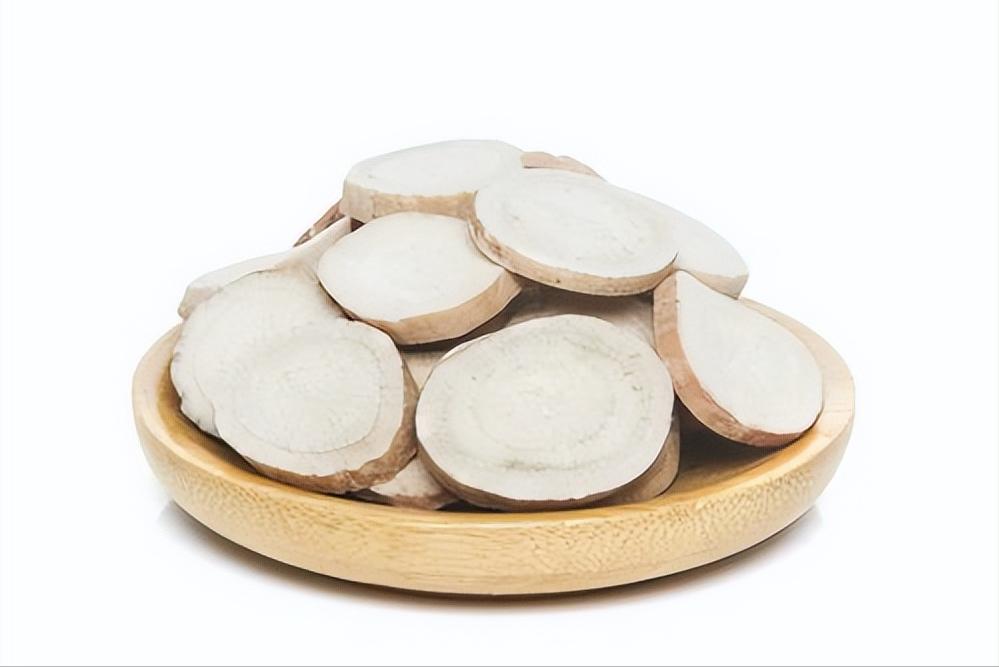
These small medication tips are all part of the wisdom of Traditional Chinese Medicine. However, everyone must remember that you should not self-medicate. You must consult a professional TCM physician to use medication reasonably based on your specific condition.