Cold Dew: Weather Growing Colder, Recommend Drinking These Three Bowls of Congee to Strengthen the Spleen and Benefit the Stomach Through Late Autumn
The Cold Dew solar term is a “transition” period when temperatures shift from cool to cold. Folk customs include “eating flower cakes, admiring red leaves, and drinking chrysanthemum wine.” After Cold Dew, daylight gradually shortens, nights lengthen, the diurnal temperature range is larger, and the air is relatively dry.
Cold Dew Health Preservation Principles
Nourish and moisturize
First, reduce intake of spicy foods; have light soup in the morning and porridge in the evening to avoid internal dryness harming the body. Foods to eat include sesame, walnut, white fungus, radish, tomato, lotus root, shiitake mushroom, winter melon, and others; also maintain a certain indoor humidity and pay attention to replenishing fluids.
Protect the feet and keep them warm
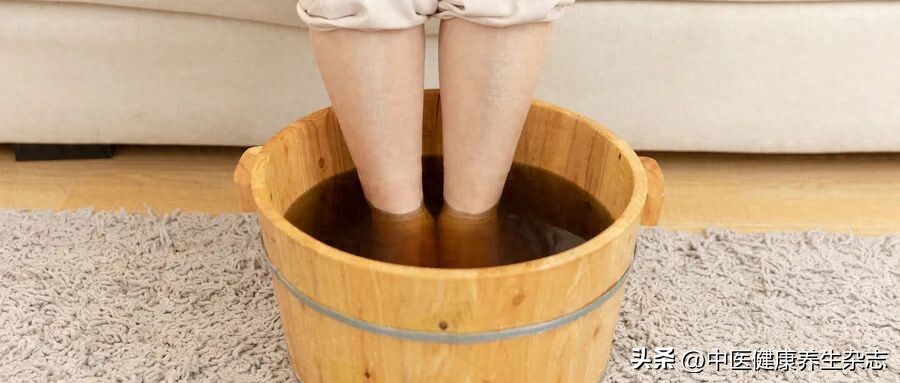
Second, do not expose your feet. Folk health proverbs say "do not expose the body at White Dew; do not expose the feet at Cold Dew" to prevent "cold entering from the feet." You can soak your feet in hot water every night; this causes dilation of the foot blood vessels and increased blood flow, improves foot circulation, reduces lower limb soreness, and relieves fatigue.
Moderate autumn conditioning
Third, practice appropriate "autumn conditioning" by adding clothing gradually, tolerating a slight chill as a guideline, but be aware that this varies by individual; be sure to keep emergency medications on hand to prevent asthma, stroke, myocardial infarction, and other conditions triggered by sudden temperature drops.
Maintain optimism and relieve stress
Fourth, maintain an optimistic and cheerful disposition and dispel worries. For example, after lunch it is advisable to take a walk or go shopping to relax body and mind; in the evening you can go to the park to do square dancing; expand your social circle and make friends outside of work; cultivate hobbies to relieve work-related stress.
Cold Dew Dietary Recommendations
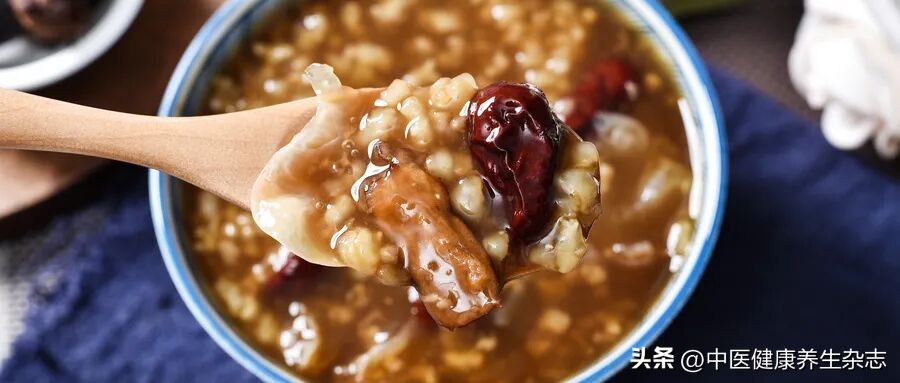
Red date, peanut, and Chinese yam congee
Ingredients: 10 red dates, 45 g peanuts, 1 section of Chinese yam (shan yao), 100 g Japonica rice.
Method: Wash the Chinese yam and peanuts, then boil them together with the pitted red dates; then add the Japonica rice and continue simmering until the rice becomes soft and glutinous. Serve immediately and eat warm.
Efficacy: Strengthens the spleen and benefits the stomach.
Euryale seed congee
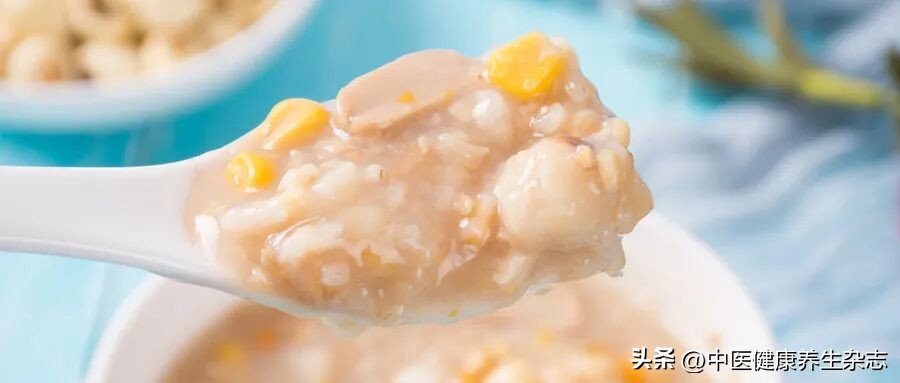
Ingredients: 30 g Euryale seeds (qian shi), 50 g japonica rice (or glutinous rice).
Method: First cook the Euryale seeds until tender, remove the shells and dry in the sun, then grind into a fine powder. Put the powder together with the japonica rice (or glutinous rice) into a claypot, add an appropriate amount of water, and simmer over low heat until a thin porridge forms.
Efficacy: Tonifies the kidneys and secures essence, strengthens the spleen and stops diarrhea.
Lily, Lotus Seed and Ginkgo Congee
Ingredients: 30 g lily, 20 g red dates, 20 g lotus seeds, 15 ginkgo nuts, 100 g japonica rice, rock sugar to taste.
Method: Parboil the lotus seeds first, then add the lily, red dates, ginkgo nuts and japonica rice. Bring to a boil, then reduce to low heat and cook until the congee thickens; add rock sugar, simmer briefly and then turn off the heat.
Efficacy: Nourishes yin and moistens the lungs, benefits the stomach and generates fluids.
Cold Dew Solar Term Suitable Practices
Five-Animal Play · Bear Play
Bear Movement: Rotate the waist and abdomen while the palms trace circles; this can enhance the spleen and stomach's transport and transformation functions. Swaying the waist and abdomen can also gently massage the internal digestive organs, preventing indigestion, abdominal distention, poor appetite, constipation, and diarrhea. Nourishment of the person depends on the spleen and stomach; therefore, when the spleen and stomach are functioning well, the body is strong. This posture's practice for the spleen and stomach helps the spleen and stomach's capacity to receive and transform.
Bear Sway: This posture involves swaying the body left and right with the intention focused on the flanks; it serves to regulate liver qi, massage the spleen and stomach, and nourish the liver and kidneys. Based on the liver's physiological characteristics, turning the body and swaying left and right allow the two sides of the ribs and flanks to alternately relax and contract. From the perspective of traditional Chinese medicine meridians, the Foot Jueyin Liver Meridian runs along the flanks; exercising the two sides of the flanks helps to soothe the liver, regulate qi, and harmonize the emotions.