The aroma of mooncakes and the fattiness of autumn crabs — control portions and eat healthily to have a stomach-nourishing Mid-Autumn Festival!
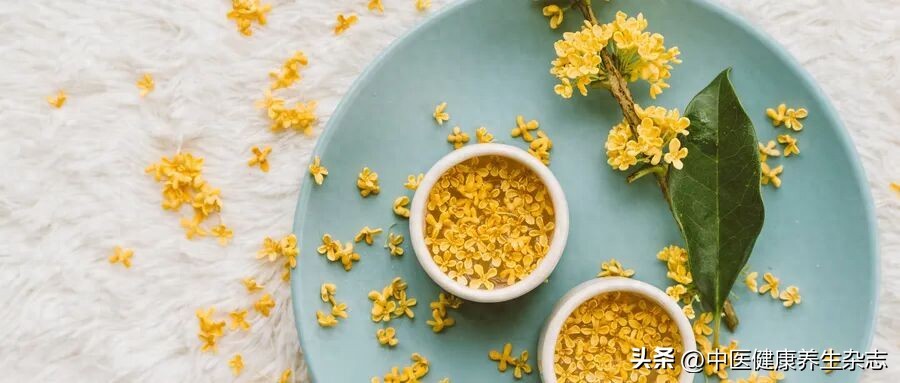
The Mid-Autumn Festival, also known as the Moon Worship Festival, Moonlight Birthday, Moon Evening, Autumn Festival, Mid-Autumn Festival, Moon-Offering Festival, Moon Maiden Festival, Moon Festival, Reunion Festival, etc., is a traditional folk festival in China. Since ancient times the Mid-Autumn Festival has included folk customs such as offering sacrifices to the moon, appreciating the moon, eating mooncakes, playing with lanterns, admiring osmanthus, and drinking osmanthus wine; these traditions have been passed down to the present day and continue unabated.
How to eat mooncakes during Mid-Autumn
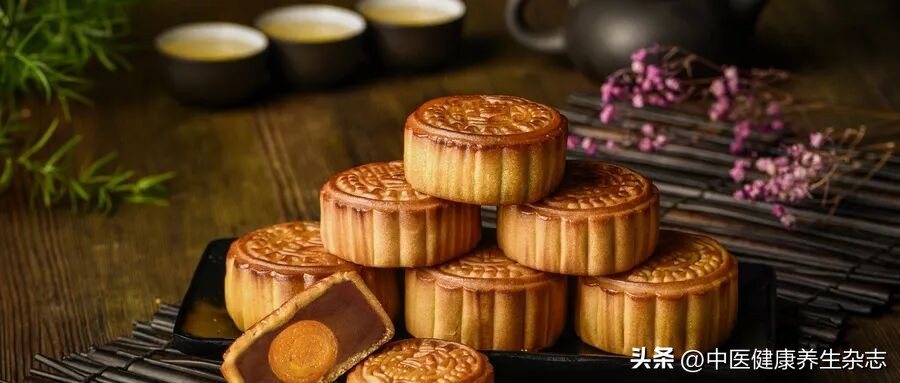
Variety of mooncake fillings
Mooncakes are often filled with plant seeds as the primary filling ingredients. Lotus seed paste mooncakes, filled with lotus seeds, can benefit the kidneys and consolidate essence, strengthen the spleen and stop diarrhea, and nourish the heart and calm the spirit; chestnut paste mooncakes, filled with chestnuts, can strengthen the spleen and harmonize the stomach; red bean paste and jujube kernel mooncakes can nourish the heart, calm the spirit, and replenish blood; five-nut (walnut, almond, peanut, pine nut, sesame) mooncakes are rich in high-quality fats and have certain health benefits for the human body.
Sugar-free mooncakes should also be eaten in moderation
The so-called "sugar-free mooncakes" actually refer to mooncakes that have no added sucrose but use sweeteners such as xylitol or aspartame instead of sucrose. However, the main ingredient of the pastry of sugar-free mooncakes is still flour, and carbohydrates can be converted into glucose, so these types of mooncakes are still high-fat, high-energy foods. Compared with ordinary mooncakes, the total energy of sugar-free mooncakes is somewhat lower, and patients with diabetes, obesity, and hyperlipidemia may choose to eat "sugar-free" mooncakes, but should not eat too many; it is recommended to eat no more than 35 g at a time, approximately 1/4 of a mooncake.
People who should eat mooncakes with caution
1. Patients with diabetes should not eat mooncakes; patients with mild diabetes can consume mooncakes processed with "non-sugar" sweeteners in moderation, but must strictly control intake.
2. People with gastric ulcers or duodenal ulcers should not eat mooncakes, because eating mooncakes can increase gastric acid secretion, which is not conducive to healing.
3. People with obesity, hyperlipidemia, arteriosclerosis, hypertension, and coronary heart disease are advised not to eat them. After consuming mooncakes, the levels of cholesterol and triglycerides in the blood can increase, and the blood becomes more viscous.
No crab, no Mid-Autumn
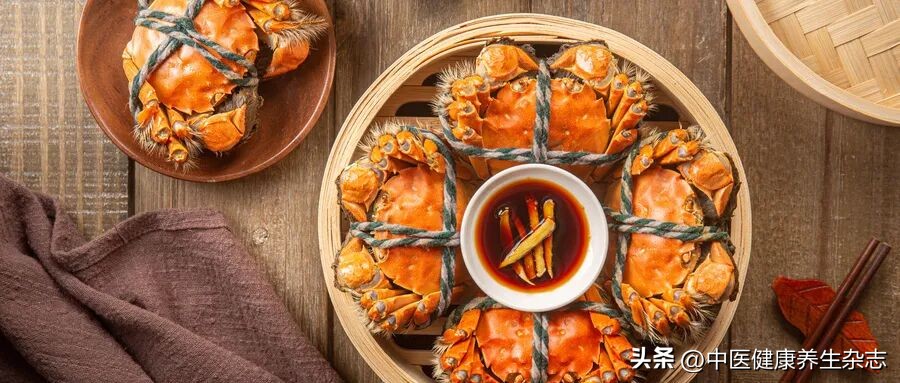
Eating crab at Mid-Autumn Festival
Crab is pungent in odor, salty in taste, and slightly cold; it enters the liver meridian and has the effect of nourishing yin and replenishing marrow. Crab is an autumn delicacy and can be eaten raw, cooked, salted, or wine-marinated, each with its own flavor; it should be thoroughly washed and fully cooked; it should not be eaten together with persimmons, and is often dipped in ginger and vinegar, which both enhances the flavor and reduces the cold nature.
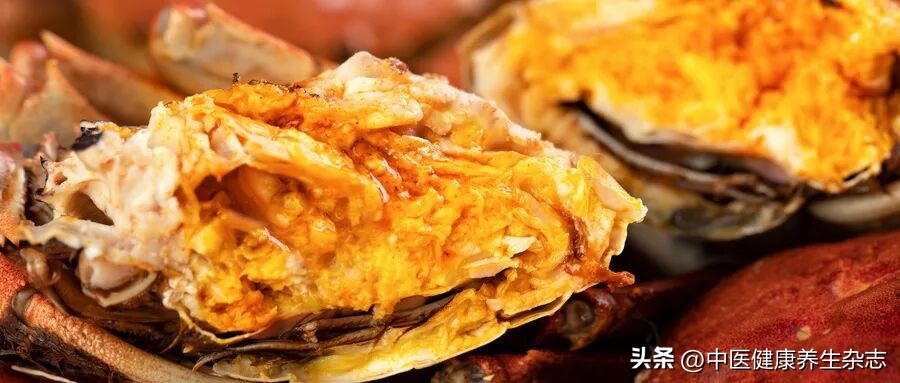
Precautions for eating crab
1. Patients with the "three highs" should eat crabs in moderation. It is recommended that during the festival period they eat crabs two or three times, one whole crab or half a crab per meal.
2. Friends with cholecystitis or who have had their gallbladder removed can eat a small amount if they are not experiencing discomfort.