White Dew health tips: remember the "three preventions and five nots", wear the right clothes, eat the right flavors
During the White Dew solar term, temperatures gradually cool and there is a large diurnal temperature difference, so dew appears, giving rise to the beautiful name "White Dew." In ancient times, White Dew was divided into three pentads: First pentad, wild geese arrive; second pentad, swallows return; third pentad, flocks of birds hide their heads. This means that during this solar term birds begin to migrate southward or start storing food in preparation for winter.
"Three protections" for the White Dew solar term
Prevent cold: respiratory diseases
If you do not pay attention to keeping warm during the White Dew period, cold air will irritate the skin; catching a chill reduces the body's immunity, leaving it unable to resist pathogenic cold, making the lungs and respiratory tract susceptible to disease, and in severe cases leading to issues such as pneumonia.
Therefore, pay attention to adding clothing and bedding in the mornings and evenings, avoid exposing the chest or back, do not indulge in sleeping in cool conditions, remove cooling mats, close windows and the air conditioner, and change into long-sleeved tops and long pants for sleep.
Prevent dryness: skin dryness
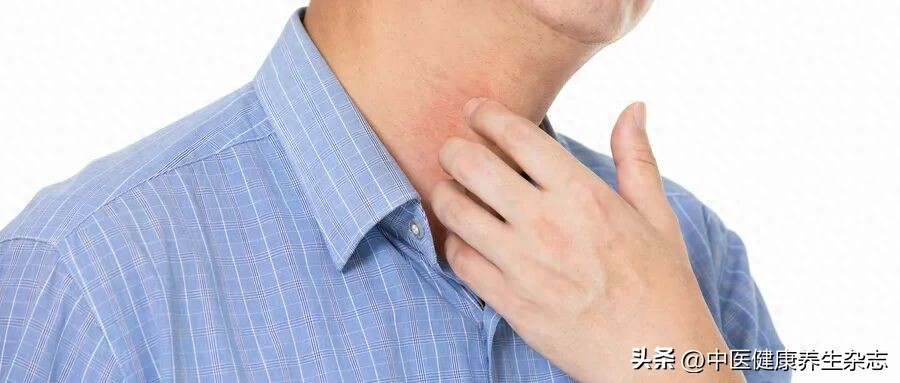
As the autumn wind lowers temperatures, it also dries the moisture from the air; traditional Chinese medicine refers to this climatic characteristic as "autumn dryness." Because the lung governs respiration and externally connects to the skin and hair, and the lung and large intestine are internally–externally related, when environmental humidity decreases the lung, large intestine, and skin and hair are the first to be affected. Symptoms such as dry mouth, dry lips, dry nose, dry throat, hard stools, and chapped skin easily occur, and in severe cases dryness can lead to nasal cavity bleeding.
Prevent temperature differences: cardiovascular and cerebrovascular diseases
Autumn days have large temperature differences between morning and evening. For acute cardiovascular and cerebrovascular events, both excessive cold and excessive heat are triggering factors. Therefore, during seasonal transitions, patients with cardiovascular and cerebrovascular disease need to be especially careful.
Do not do these five things well at White Dew
Do not expose the body
In autumn it is important to "wear thin clothes to resist the cold"; you can add a light layer in the early morning and evening and adjust clothing promptly with changes in the weather.
Keeping warm does not mean wearing excessively many or heavy layers; it should be moderate. As the saying goes, "bundle up in spring, endure the cold in autumn, avoid miscellaneous illnesses" — if you put on heavy clothing too early and sweat pores open, you are actually more susceptible to invasion by wind-cold.
Do not take supplements indiscriminately
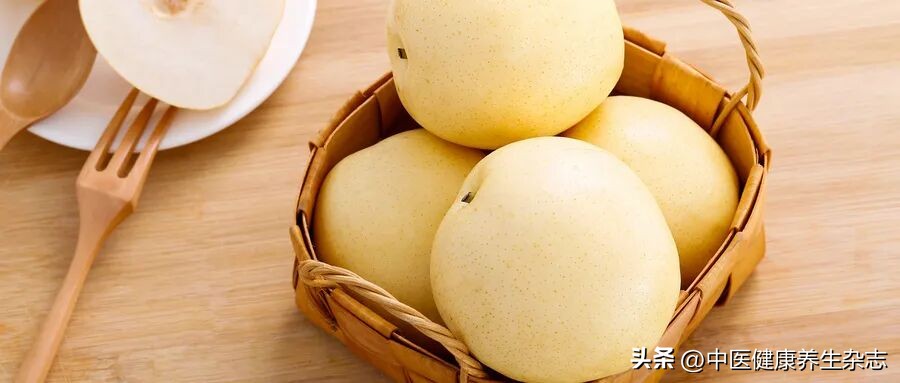
Diet during the White Dew period should focus on strengthening the spleen, moisturizing dryness, and gentle supplementation. Gentle supplementation means reducing greasy foods such as large amounts of fish and meat, and avoiding overly raw, cold, or spicy items as much as possible.
Seasonal fruits can all clear heat, reduce internal fire, and moisten the lungs to dispel dryness; there is a folk custom of "eating longan at White Dew." Longan is warm in nature, has the effects of calming the mind, tranquilizing the spirit, and replenishing blood and qi; it can be eaten raw, or used in soups and teas.
In addition, in daily diet avoid pungent foods and seasonings such as garlic, scallion, raw ginger, star anise, and fennel, to prevent exacerbating internal heat.
Do not be irritable
After the onset of autumn the air gradually becomes dry, and this is more pronounced after White Dew; people’s moods also fluctuate accordingly, and it is easy to become irritable. At this time it is important to nurture the heart/mind.
If mood is depressed or obstructed, massaging Taichong can relieve it. The Taichong point, also called the "dispelling qi point," is located on the dorsum of the foot at the junction between the first and second metatarsal bones. It helps eliminate depression and improve mood.
Do not sit for long periods
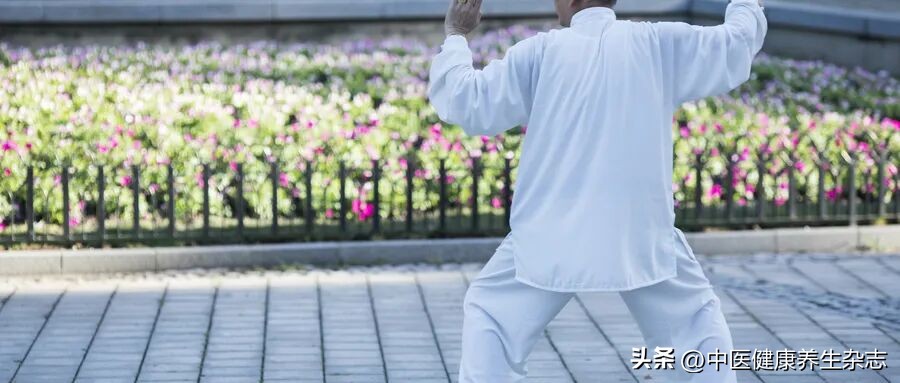
At this time, maintaining appropriate physical exercise can not only nourish lung qi but also improve the function of the pulmonary organs.
Autumn is more suitable for exercise than the sultry summer and is a good season to go out for autumn outings and physical training. You may choose outdoor activities appropriate to your constitution, such as walking, jogging, cycling, and hiking, or opt for tai chi, Baduanjin, or Five-Animal Exercises.
Avoid staying up late
During the White Dew period, go to bed early and rise early, avoid staying up late, and ensure good sleep. Before bed each night, you can soak your feet in warm water appropriately to promote local blood circulation.
White Dew recipes
Ginkgo Chicken Cubes
[Ingredients] Ginkgo nuts (bai guo) 1000 g, boneless tender chicken meat 250 g, egg whites from 2 eggs, broth, granulated sugar, Shaoxing wine, starch, MSG, salt, oil, scallions — appropriate amounts of each.
[Method] Remove the shells from the ginkgo nuts and sauté them in oil until about 60% cooked, then remove and set aside; cut the chicken into small dice, place in a bowl and add egg whites, salt, and starch, mix evenly; heat a wok and add oil, put the chicken dice into the wok, add the ginkgo nuts and stir-fry, when cooked transfer together with the oil into a skimmer to drain; pour a small amount of oil into the wok, sauté the scallion segments, then add Shaoxing wine, broth, salt, and MSG, return the prepared ginkgo–chicken mixture to the wok and stir-fry, thicken with wet starch, mix evenly, remove from heat and plate.
[Indications] Tonifies qi and nourishes blood; relieves asthma and stops leucorrhea.