Weight management is not just about losing weight! Even with a normal BMI you may need adjustments — these groups should pay attention
Weight management aims to use scientific, reasonable methods to bring body weight to and maintain it at a healthy level, emphasizing multiple aspects such as optimization of body composition, improvement of physiological function, and overall health enhancement. Weight loss is only one part of weight management and is appropriate for those who are overweight or obese. In fact, a broader range of people need weight management.
What is a “healthy body weight”?
BMI
BMI: The calculation formula is BMI = weight (kg) / height² (m²). In China, the healthy BMI range for people aged 18–64 is 18.5–23.9; the ideal BMI for elderly people aged 65–79 is 20.0–26.9; for very old people aged 80 and above, the appropriate BMI is 22.0–26.9.
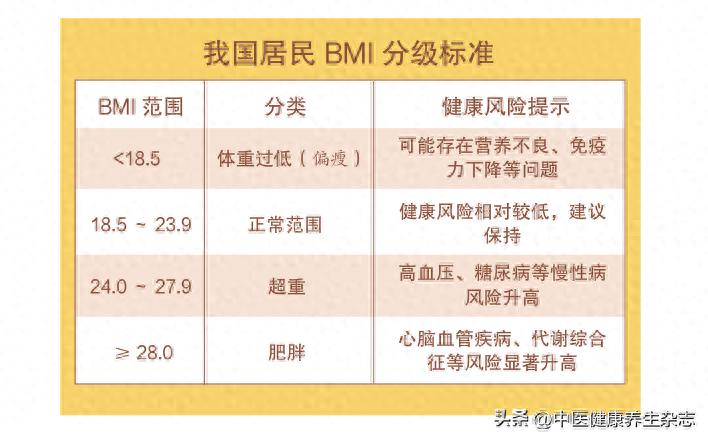
Body fat percentage
Body fat percentage: The proportion of body fat weight to total body weight. The normal range for adult male body fat percentage is generally 10%–20%, and for adult females 18%–28%. Body fat percentage that is too high or too low can both have adverse effects on health.
Metabolic rate
Metabolic rate: Metabolic rate is the total energy consumed by the body over 24 hours, including basal metabolism (the minimum energy required to sustain life, accounting for 60%–75%), activity-related metabolism (exercise and daily activities), and the thermic effect of food (energy consumed for digestion). Metabolic rate helps guide adjustments to diet and exercise to create a caloric deficit or surplus for fat loss or muscle gain, while avoiding blind dieting or excessive exercise. For individuals with metabolic diseases, metabolic rate is also an indicator used for health assessment.
Basal metabolic rate
Basal metabolic rate: The minimum energy expenditure required to maintain vital activities (such as respiration and circulation) while the body is at rest, influenced by factors such as age, sex, and muscle mass. Basal metabolic rate is often used for health assessment; abnormal values may indicate hyperthyroidism, hypothyroidism, or malnutrition; for weight management, it provides a basis for developing personalized diet or exercise plans; in metabolic monitoring, it can reflect the body's energy efficiency—long-term dieters may experience a decrease in basal metabolic rate due to muscle loss
Muscle mass
Muscle mass: the weight of the body's muscle tissues, including skeletal muscle, smooth muscle, and cardiac muscle. Muscle plays an important role in maintaining bodily functions and metabolic rate and is an important indicator for assessing health and physical capability. Adequate muscle mass helps improve strength, endurance, and stability, increases basal metabolic rate, and helps the body maintain a healthier weight.
People with a normal BMI also need weight management
Abnormal blood lipids and blood glucose: individuals with a normal BMI but abnormal blood lipids or blood glucose may have uneven body fat distribution or excessive visceral fat, which can affect metabolic function and increase the risk of chronic diseases such as cardiovascular and cerebrovascular disease and diabetes
Recent rapid weight gain or loss: Rapid changes in body weight over a short period may indicate underlying pathological issues or result from unhealthy lifestyle habits. For example, hyperthyroidism can cause rapid weight loss; hypothyroidism can lead to weight gain; intestinal malabsorption can affect nutrient absorption, causing weight fluctuations; eating disorders such as anorexia nervosa and bulimia nervosa can also produce abnormal short-term weight changes. These individuals should seek medical attention promptly to determine the cause and, based on physicians' recommendations, decide whether medical intervention is necessary.
How should thin people gain weight?
Adjust diet
Increase food intake, choosing nutrient-dense, relatively high-calorie, and healthy foods such as whole milk, nuts, meats, fish, eggs, and legumes, while appropriately pairing with vegetables and fruits. Use the approach of eating smaller, more frequent meals to avoid indigestion or fat accumulation caused by consuming too much at once
Appropriate Exercise
Appropriate strength training and aerobic exercise help increase muscle mass and raise basal metabolic rate, promoting healthy weight gain. For example, you can do simple dumbbell exercises, push-ups, and squats as strength workouts 3–5 times per week, 20–30 minutes each session; at the same time combine aerobic activities such as brisk walking, jogging, or swimming 3–5 times per week, about 30 minutes per session
Maintain good lifestyle habits
Ensure adequate sleep, avoid staying up late, and maintain a regular schedule, which helps the body's recovery and growth hormone secretion and promotes weight gain