End of Heat Health Preservation: Adjust Sleep and Daily Routine, Wear Appropriate Clothing, Prevent Autumn Dryness, Comprehensive Care to Get Through Early Autumn
Chushu is the fourteenth of the 24 solar terms and the second solar term of autumn. The Yue Ling Seventy-Two Hou Ji Jie states: “Chu means leaving; the heat reaches this point and stops.” “Chushu” represents the gradual retreat of summer heat, and temperatures begin to decline across most parts of the country.
Key points for health preservation during Chushu
Daily Routine for End of Heat — Go to Bed Early and Rise Early
When Chushu arrives, we should pay attention to changing the late-sleeping habits of summer, try to go to bed earlier and rise earlier, and aim to sleep an extra hour each day. “Going to bed early” helps nourish the body's Yang qi, and “rising early” allows the lung qi to expand. It is best for everyone to fall asleep before 10:00 p.m. to prevent “autumn fatigue”; those who can should take a short nap at midday.

Clothing for End of Heat — Add Clothing Appropriately
The End of Heat solar term brings unpredictable weather; even within the same region one may experience "four seasons in a day, different skies every ten li."
But the early-autumn "coolness" is not "cold"; clothing should not be increased too quickly at this time, and attire should aim to be cool without being cold. For generally healthy individuals, provided the "cold of the skin and flesh" can still be tolerated, moderate "autumn conditioning" (exposing oneself to coolness) can improve the body's adaptability to climatic change and its cold resistance. For the elderly, the frail, and those with certain chronic diseases, the "autumn conditioning" approach is not suitable; they should pay attention to adding or removing clothing as the weather changes and regularly monitor blood pressure.
Exercise for End of Heat — Gentle and Moderate
At the End of Heat, the weather cools and the yang energy in nature shifts from dispersing to contracting; the rise and fall of yin and yang energies within the human body also change accordingly.
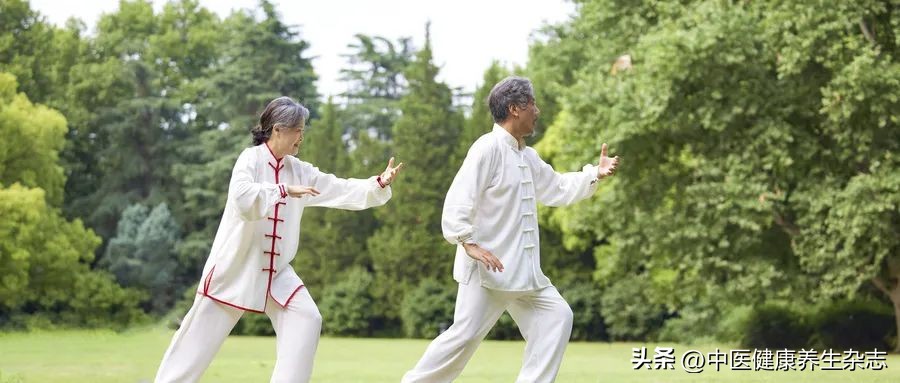
At this time, both the amount and intensity of exercise can be increased appropriately compared with summer. Activities such as slow jogging, Tai Chi, Baduanjin, Five-Animal Exercises, standing meditation, or breath regulation and chest-expanding exercises are recommended, aiming for slight sweating without fatigue, which helps promote smooth flow of qi and blood in the body.
The weather is cool in the mornings and evenings, so exercising early in the morning or in the evening is more appropriate.
Preventing illness during seasonal transitions
At the End of Heat solar term, clinical experience shows many people encounter the following health problems.
Qi and Yin Deficiency
Sweat is the transformation of the body's jing-qi; normal sweating regulates yin and yang, but excessive sweating causes the body's qi to be lost with the sweat, easily leading to deficiency of both qi and yin, resulting in symptoms such as palpitations and cold limbs.
Cough
Traditional Chinese medicine says "dryness easily injures the Lung," therefore in autumn it is easy to develop cough or dry cough without phlegm, dry mouth and tongue, and similar symptoms due to dry weather. When Lung fluid (jin) is damaged, symptoms may include sore throat, gritty eyes, epistaxis, dry cough with little sputum, rough skin, and constipation with hard stools.
For this type of cough, eating some fresh autumn pears can provide certain relief.
Rhinitis
Some people begin to have rhinitis every autumn, with continuous sneezing and runny nose, and allergic eyes and nose. As temperatures drop and the air becomes dry with more floating dust, the nasal passages are easily irritated. To relieve discomfort, people with a history of rhinitis can frequently massage the Yingxiang (LI20) acupoint, which has the functions of clearing heat and dispersing wind, removing dryness and moistening the Lung, and opening the nasal orifices.
Chushu (End of Heat) season health-preserving acupoints
Rhinitis — rub the Yingxiang (LI20) and Bitong acupoints
Yingxiang (LI20) and Bitong are commonly used to treat rhinitis, common cold, and similar problems. The former is located beside the midpoint of the lateral margin of the nostril, and the latter is at the junction of the alar cartilage and the nasal concha. Regular pressure on these two acupoints can relieve or prevent sneezing, rhinorrhea, and other discomforts, with particularly notable effects for nasal decongestion.
Throat discomfort — massage the He Gu (LI4) and Zhao Hai (KI6) acupoints
Hegu (LI4) and Zhaohai (KI6) are both acupoints used to treat throat conditions. Hegu is located in the web between the thumb and index finger on the dorsum of both hands and can relieve throat swelling and pain. Zhaohai belongs to the Kidney meridian (Shaoyin) and is located on the medial side of the foot in the depression below the tip of the medial malleolus. You may also alternatively massage Lieque (LU7), Taixi (KI3), and Tiantu (RN22) to enhance fluid-promoting and throat-moistening effects.
Gastrointestinal disorders — massage Tianshu (ST25) and Taixi (KI3)
In Traditional Chinese Medicine, the Lung and Large Intestine are exterior–interiorly related; excess heat in the Lung can affect the Large Intestine, and intestinal heat can consume body fluids, easily causing dry stool and constipation. Tianshu can bidirectionally regulate gastrointestinal function—promoting bowel movements in constipation and stopping diarrhea in loose stool. Taixi also has good effects on relieving intestinal functional disorders.
Recipe for Food Therapy at End of Heat
Sandersonia, Lily, and Old Duck Soup
Ingredients: 30 g each of Glehnia littoralis (Bei sha shen), lily bulb (Bai he), Ophiopogon japonicus (Mai dong); 500 g old duck meat; 5 g dried tangerine peel (Chen pi); 2 slices fresh ginger.
Method: Wash the above ingredients, place together in a pot, add an appropriate amount of water, bring to a boil over high heat, then simmer over low heat for 2 hours, season with salt to taste.
Efficacy: Tonifies the stomach and generates fluids, nourishes yin and moistens dryness. Suitable for people with dry skin and nasal/oral mucosa and for those with hard, dry stools.
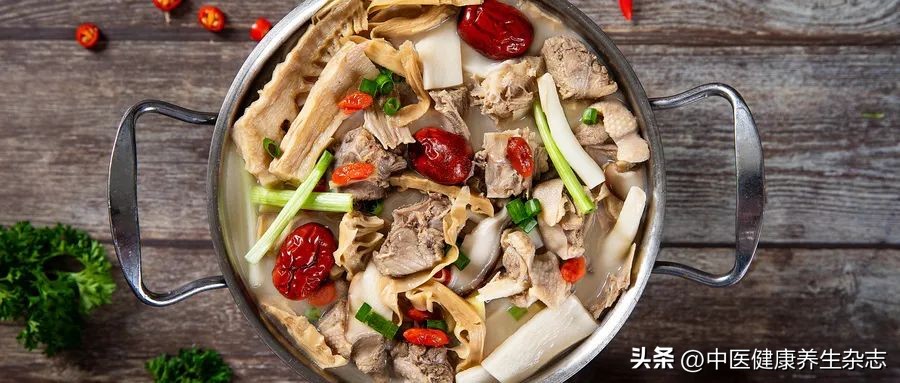
There is a folk tradition of eating duck meat during the End of Heat solar term. The famous Qing dynasty physician Wang Shixiong wrote in his work Suixi Ju Yinshipu: duck meat is sweet and cold, nourishes the yin of the five viscera, clears heat from deficiency and consumptive fever, replenishes blood and promotes diuresis, nourishes the stomach and generates fluids, stops coughing and calms fright, and resolves accumulations of snails. An old, large duck is especially good. Stewed with ham and sea cucumber over low heat, its tonic effect is particularly superior. The meaning refers to stewing an older duck with ham and sea cucumber until thoroughly softened and eating it, which is highly restorative for the body.