Cold produces phlegm, Qi produces phlegm, stasis also produces phlegm; three proprietary Chinese medicines to resolve phlegm-dampness from head to toe
Lately in clinic I often encounter patients complaining, "The phlegm never clears, and expectorants don't help." Actually, eliminating phlegm is like picking a lock: you must locate the "source of the phlegm" to match the right key. TCM says "many diseases are caused by phlegm," but phlegm can be divided into three types: cold-phlegm, Qi-phlegm, and stasis-phlegm, and each requires a different treatment approach.

Type 1: Cold-phlegm — like a frozen river surface
Some people are sensitive to cold, have cold hands and feet, and constantly have white phlegm stuck in the throat; these are mostly due to cold pathogens injuring the spleen and kidney yang qi. The spleen governs the transformation and transportation of fluids, the kidney governs water metabolism; when yang qi is deficient it is like a river surface freezing in winter, fluid stasis becomes cold phlegm. These people have a white greasy tongue coating and a deep thin pulse. Fuzi Lizhong Wan is an effective remedy to warm yang and disperse cold; aconite root functions like a small stove to warm the spleen and stomach, dried ginger and fried Atractylodes macrocephala strengthen the spleen and dry dampness, and ginseng with honey-fried licorice tonifies qi and secures the root—when cold phlegm is resolved, the hands and feet naturally warm.
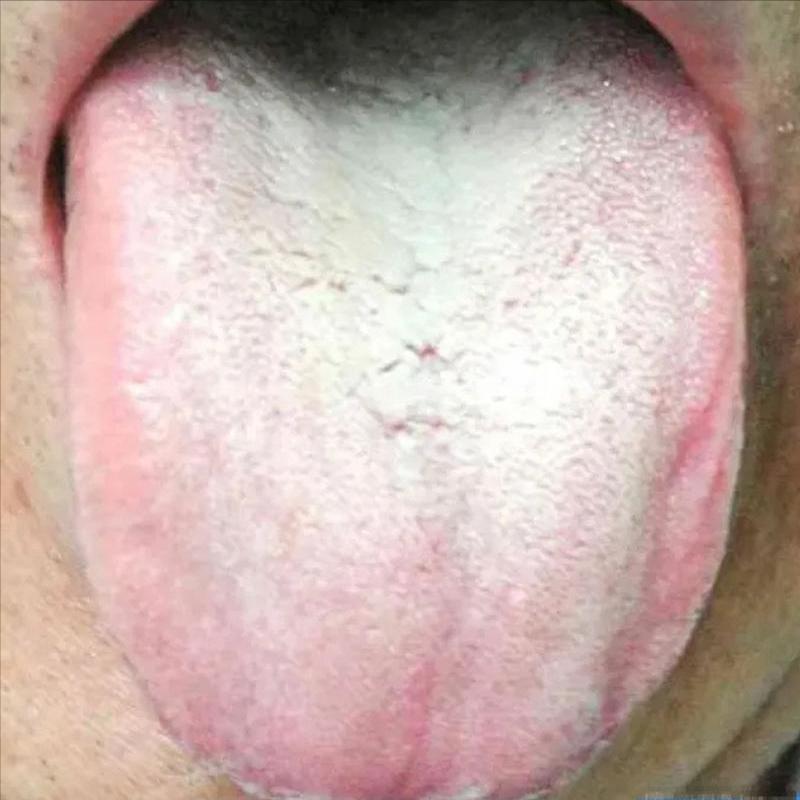
Second type: Qi-phlegm — like a clogged river channel
People with irritable spleen qi, chest oppression, and abdominal distention often have phlegm accompanied by qi. The liver governs free flow; when liver qi is constrained it is like a river channel blocked with silt, causing fluids to wander with the secretions and congeal into phlegm-damp. These people have a thin white tongue coating and a wiry slippery pulse. Xiangsha Liujunzi Wan is most appropriate: Mu Xiang and Sha Ren move qi and promote appetite, Chen Pi and Ban Xia resolve phlegm, and Codonopsis, Atractylodes, and Poria strengthen the spleen. When the qi flows smoothly, the phlegm is like silt washed away and the chest and hypochondriac distention and pain naturally resolve.
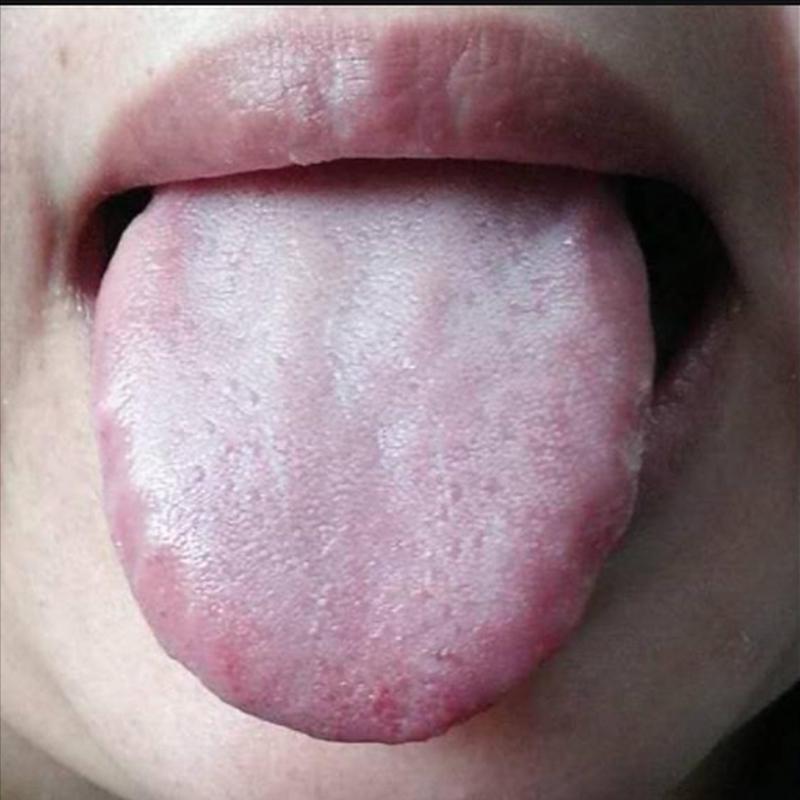
Third type: Stagnant blood phlegm — like entangled tree roots
Blood stasis and phlegm-dampness often collude. People with a purplish tongue and ecchymoses frequently have intertwined blood stasis and phlegm internally, making them prone to lumps and cysts. Blood stasis obstructs the meridians and phlegm-dampness adheres to qi and blood, like roots wrapping a stone—the more it congeals, the harder it becomes. Xuefu Zhuyu Wan combined with Erchen Wan: Tao Ren and Hong Hua activate blood circulation, Chai Hu and Jie Geng regulate qi, Ban Xia and Chen Pi resolve phlegm—like sending a construction crew to the body, first dismantling blood stasis and then clearing phlegm-dampness.
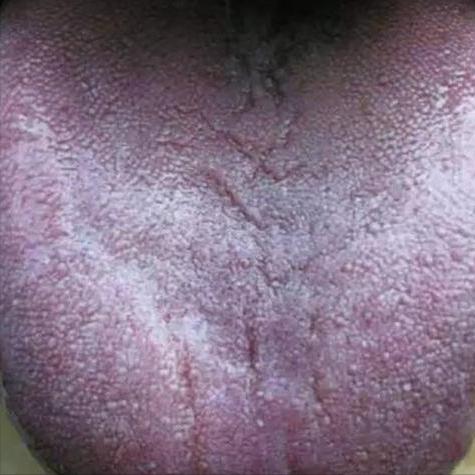
But a reminder: expectorant treatment must be based on the patient's constitution. For a damp-heat constitution with a yellow, greasy tongue coating, do not rush to tonify; if there is abundant phlegm plus cough, add lung-dispersing (xuanfei) medicines. Before using drugs it is best to have a TCM practitioner take the pulse and determine whether it is cold or hot, deficient or excess, so expectoration can be precise. Health preservation is like managing water: cold phlegm must be warmed and transformed, qi phlegm must be regulated and dispersed, and blood-stasis phlegm must have stasis removed—identify the root cause to clear the source and stop the flow.