This is the true "King of Liver Protection": clears liver fire, soothes liver qi, nourishes and protects the liver
Today I want to introduce a truly effective liver-protecting formula — Hugan Pian (Liver-Protecting Tablets). Though this prescription contains only six herbs, it functions like a "master key" for the liver. Whether it’s fatty liver, alcoholic liver disease, drug-induced liver injury, chronic hepatitis, or even prevention and early-stage management of cirrhosis, when used appropriately it can be beneficial.

Let’s first talk about soothing the liver. Chai Hu (Bupleurum) is called a "master of soothing the liver" by veteran TCM practitioners. It tastes bitter with a slight pungency, has a mildly cool nature, and primarily acts on the liver and gallbladder meridians. Spring is the proper season to nourish the liver; Chai Hu acts like an electrical boost to liver qi, reactivating stagnant qi dynamics. The liver governs smooth flow—when qi moves smoothly, bile secretion normalizes, facilitating digestion of greasy foods and efficient detoxification.
Now for the heat-clearing and dampness-draining duo — Yinchen (Artemisia capillaris) and Banlangen (Isatis root). Yinchen is bitter with a penetrating aroma, specializing in liver and gallbladder damp-heat, like giving the liver a thorough cleaning to remove accumulated external damp-heat pathogens. Banlangen is more familiar to people, a veteran heat-clearing and detoxifying agent; it can clear repletion heat in the blood level and is good at relieving throat swelling and poisoning. Together, one treating the exterior and the other the interior, they work like a deep clean for the liver meridian, naturally easing symptoms such as bitter mouth and hypochondriac distension.
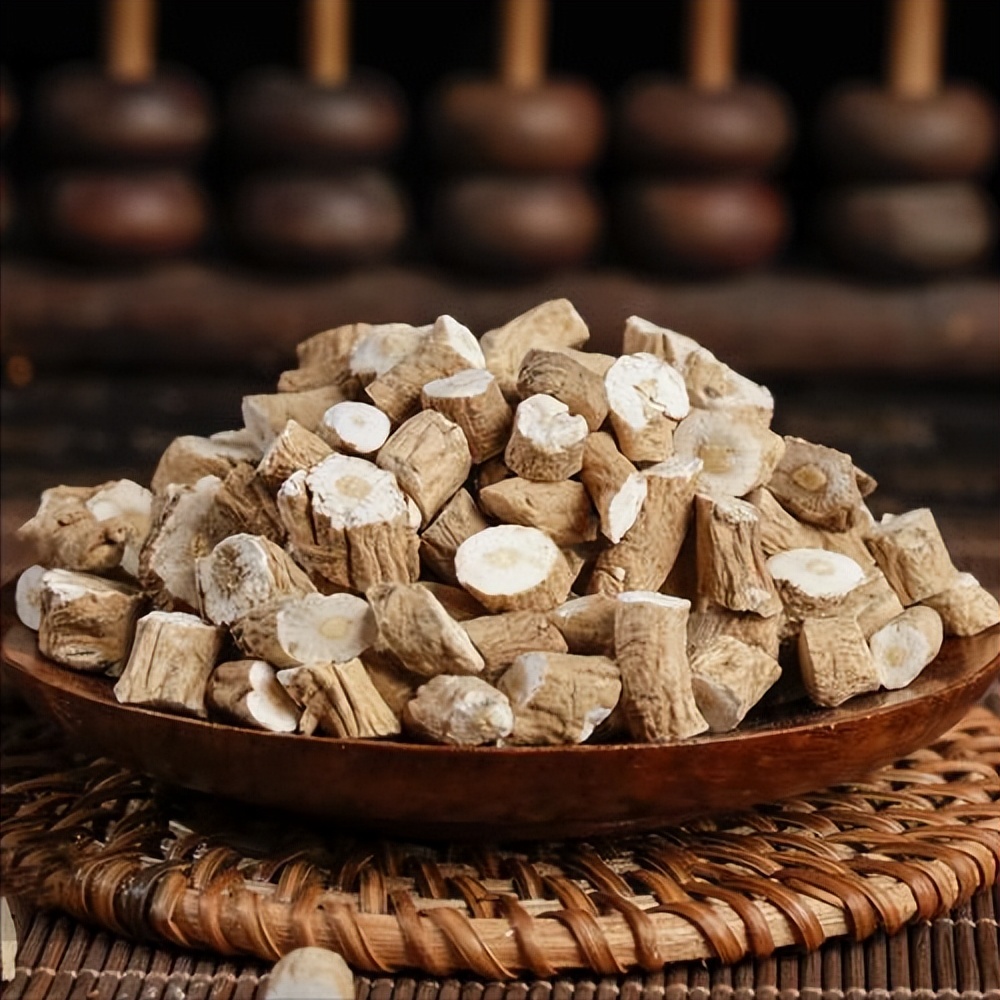
Hidden in the hepatoprotective tablet are two “liver guardians”: Wuweizi (Schisandra) and Zhudan powder (pig bile powder). Wuweizi is sour and astringent, enters the liver, can restrain and tonify — like adding a lock to liver yin to prevent leakage of essence and qi during liver supplementation. Zhudan powder is bitter and cold, descends directly to clear real fire of the liver and gallbladder, and relieves constipation without injuring yin fluids. The two — one sour and astringent, one bitter and descending — are like installing air conditioning for the liver, clearing external constrained heat while consolidating the internal root.
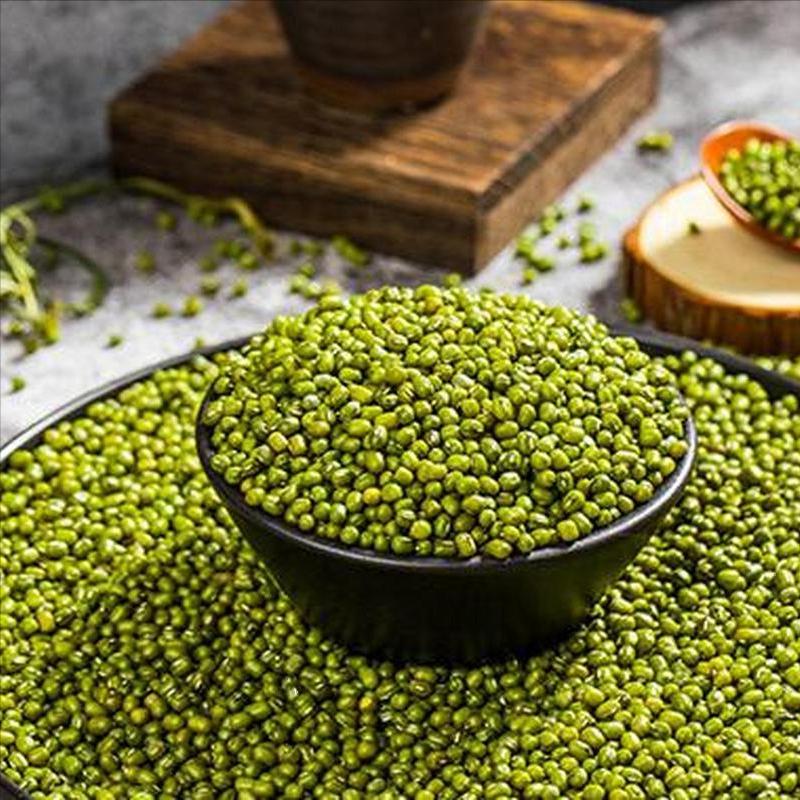
Finally, mung bean, though ordinary in appearance, is most skilled at detoxifying and dispelling dampness. It is like adding a logistics support soldier to the hepatoprotective formula, quietly clearing toxins and allowing the effects of the other herbs to be more thorough.
These six herbs each perform their own role—soothing the liver, clearing heat, nourishing yin, detoxifying—and combined they are like weaving a protective net for the liver. But a reminder: traditional Chinese medicine emphasizes syndrome differentiation and treatment; although liver-supporting tablets are good, a doctor needs to feel the pulse and prescribe them. If symptoms such as yellowing eyes, dark red urine, or distension and pain in the liver area occur, go to the hospital promptly—do not self-medicate.
Nurturing the liver is a long-term, steady effort: ordinarily sleep less late and drink less alcohol, and combined with the wisdom of this liver-protecting remedy, the liver will naturally accompany you for much longer.