Remember three practical tips to nourish liver blood, replenish kidney essence, and strengthen yang
Today I’ll talk with male patients about how to regulate the body at its root. Traditional Chinese Medicine emphasizes that "liver and kidney share the same origin"; to regulate male function you need to start with these two organs. I will break down three practical methods for you.
First tip: nourish liver blood so the body’s "fuel" is more abundant
Many male friends easily overlook caring for the liver, but the liver governs the tendons; when tendons are strong, power is sufficient. Boil the three herbs Bupleurum (Chai Hu), Angelica sinensis (Dang Gui), and Paeonia lactiflora (Shao Yao) in water: Bupleurum acts like a traffic director, guiding the herbs’ effects into the liver meridian; Dang Gui and Shao Yao refuel the liver—Dang Gui invigorates and nourishes the blood, Shao Yao softens the liver and nourishes yin. When liver blood is abundant, it’s like a car filled with fuel, and endurance naturally follows.
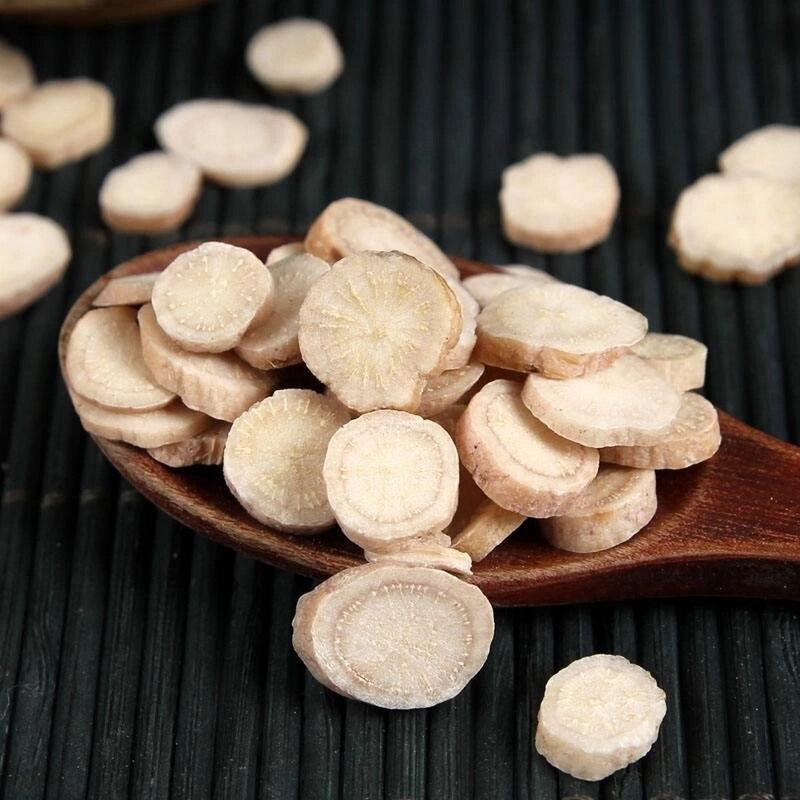
Second trick: tonify kidney essence, consolidate the body’s "foundation"
Kidney essence is the root of congenital constitution, equivalent to the body’s reserve grain. Morinda officinalis (Ba Ji Tian), Cistanche deserticola (Rou Cong Rong), and Epimedium (Yin Yang Huo) are common kidney‑tonifying herbs: Ba Ji Tian is warming without drying, Rou Cong Rong moistens without being harsh, and Yin Yang Huo raises yang without harming yin. Combined they are like laying a foundation for a tall building—when the foundation is stable, the functions above naturally operate normally.
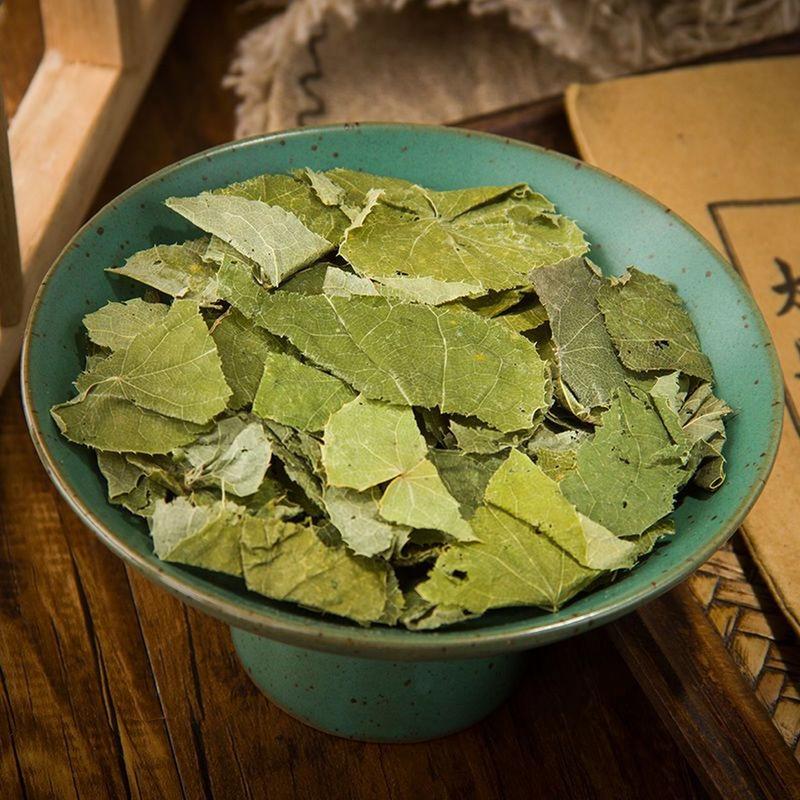
Third trick: regulate yin and yang, ignite the "small stove" of the life gate
Yang qi is the body’s energy switch, and the herbs Cornus officinalis (Shan Zhuyu), Cinnamomum cassia (Rou Gui), and Rehmannia glutinosa prepared root (Shu Di) are used with care. Cornus acts like a bidirectional regulator valve, capable of treating both yin and yang deficiency; Shu Di nourishes yin and replenishes blood, and when paired with Rou Gui it is like adding fuel to a stove—Rou Gui warms yang and guides the fire back to its source while Shu Di nourishes yin to prevent excessive dryness. This yin–yang harmony functions like installing a thermostat in the body, keeping it at an optimal state at all times.
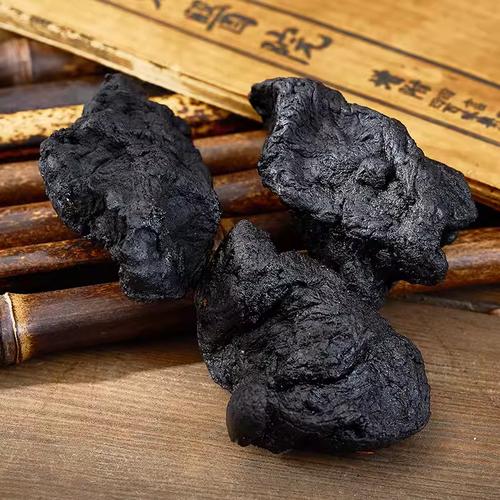
These three methods share a common principle: tonification contains movement, and movement contains consolidation. The dispersing action of Bupleurum (Chai Hu) paired with the astringent action of Peony (Shao Yao), the warming tonic effect of Morinda root (Ba Ji Tian) paired with the lubricating property of Cistanche (Rou Cong Rong), and the ascending action of Cinnamon bark (Rou Gui) paired with the nourishing effect of Prepared Rehmannia (Shu Di) all reflect the TCM concept of "yin and yang mutually rooted." I suggest friends first consult a TCM practitioner to determine constitution—whether it is liver qi stagnation, kidney deficiency with essence depletion, or insufficiency of yang qi—and then provide targeted regulation. Remember, health preservation is not a contest of who takes the most tonics, but finding the point of imbalance in the body and gently correcting it with Chinese herbs.