Which of the three major liver-nourishing remedies—Chaihu Shugan Wan, Xiaoyao Wan, or Qiju Dihuang Wan—is better?
When it comes to nourishing the liver, many people immediately think of Chaihu Shugan Wan, Xiaoyao Wan, and Qiju Dihuang Wan. So which of these three is actually more effective? How should one choose based on symptoms? Today I'll talk you through it.
First, let’s talk about Chaihu Shugan Wan. This medicine has the effects of soothing the liver, relieving depression, regulating qi and relieving pain. It is especially suitable for people with prominent liver qi stagnation. What is liver qi stagnation? It means the liver’s qi dynamics are not smooth and become stuck. These people often feel pain in the hypochondriac region, especially when angry or in a bad mood the pain becomes more pronounced. They also tend to have dry mouth with a bitter taste, sore throat, dry throat, dizziness and blurred vision. It’s like a river where the flow was smooth but a stone blocks it, causing poor flow and various problems around it. Chaihu Shugan Wan can help move that “stone” and restore the smooth movement of liver qi.
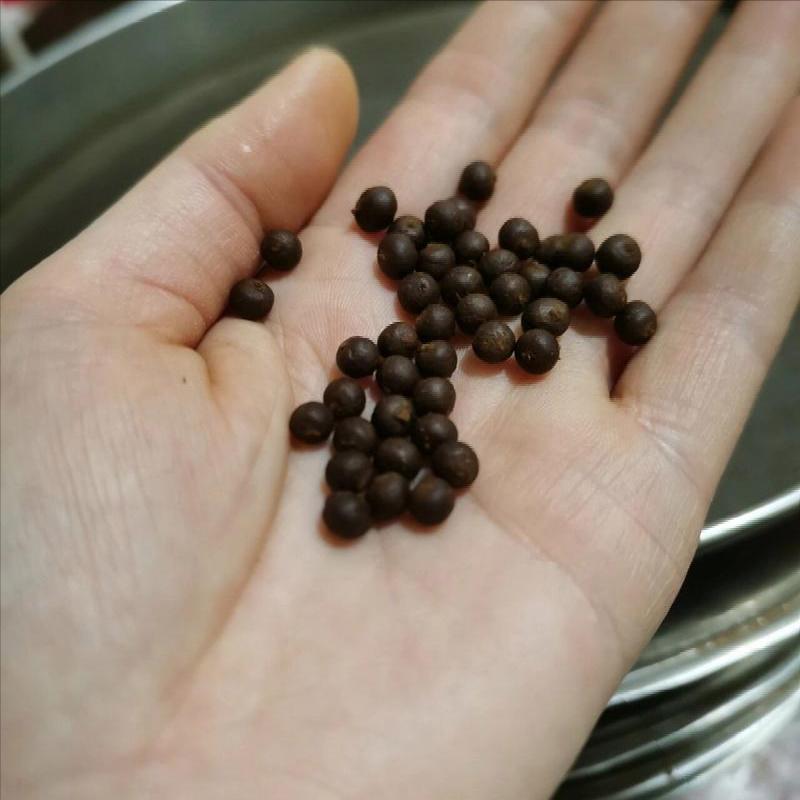
Now about Xiaoyao Wan. This medicine can soothe the liver, strengthen the spleen, nourish the blood, and regulate menstruation. It is suitable for liver qi stagnation accompanied by spleen deficiency with insufficient qi and blood. In TCM, the liver and spleen are closely related; when the liver is impaired, it easily affects the spleen. These patients tend to be particularly irritable, prone to anger, and often experience chest stuffiness, hypochondrial distension and pain, poor appetite, poor digestion, and dizziness or blurred vision. Xiaoyao Wan acts like a "peacemaker," both helping to smooth liver qi and nourishing the spleen, restoring adequate qi and blood.
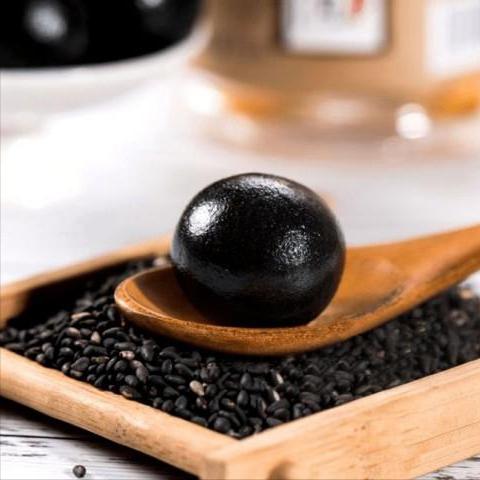
Finally, there is Qi Ju Di Huang Wan. This medicine has the effect of nourishing the kidneys and liver. It is suitable for people with liver and kidney yin deficiency. What does liver and kidney yin deficiency mean? It means there is an insufficiency of yin fluids in the liver and kidneys. These people often experience dizziness and blurred vision, photophobia, blurred vision, tearing easily in the wind, dry mouth with a bitter taste, soreness and weakness of the lower back and knees, and heel pain. In Traditional Chinese Medicine, the liver and kidney share the same source; kidney yin deficiency can affect liver yin, and liver yin deficiency can also affect kidney yin. Qi Ju Di Huang Wan can replenish yin fluids for the liver and kidneys and help restore their nourishment.
So, when choosing liver-nourishing medicines, everyone should select based on their own symptoms. If liver qi stagnation is prominent, choose Chaihu Shugan Wan; if liver stagnation is accompanied by spleen deficiency with insufficient qi and blood, choose Xiaoyao Wan; if there is liver and kidney yin deficiency, choose Qiju Dihuang Wan. However, medication should be taken under a doctor's guidance and you must not take them arbitrarily.