A universal kidney-tonifying formula that replenishes kidney yin, kidney yang, and kidney essence
Today I will share with you a particularly powerful kidney-tonifying prescription that can fully replenish kidney yin, kidney yang, kidney essence, and kidney qi.

Nowadays some young people do not exercise restraint at all, and when they get older their kidneys begin to become deficient. They may show lack of energy, appearing listless all day; soreness and weakness in the lower back and knees, feeling pain in the back and knees even after light work; dizziness and tinnitus, feeling woozy with ears constantly buzzing; intolerance to cold and heat, unable to handle even small changes in weather; and they may even experience erectile dysfunction and premature ejaculation. If they do not know which type of kidney deficiency they have, don’t worry — the formula I describe today can be used as a reference regardless of which type of kidney deficiency you have.
This formula is the Three-Kidney Pill. In TCM, the kidney is the root of congenital constitution; kidney yin and kidney yang mutually depend on and restrain each other. The yang-supplementing herbs in this formula are Cistanche, Cynomorium, and Curculigo. Cistanche can tonify kidney yang and benefit essence and blood; Cynomorium can tonify kidney yang, benefit essence and blood, and moisten the intestines to relieve constipation; Curculigo can tonify kidney yang, strengthen tendons and bones, and dispel cold-dampness. These three herbs are like adding fuel and fire to kidney yang, making the kidney yang flourish.
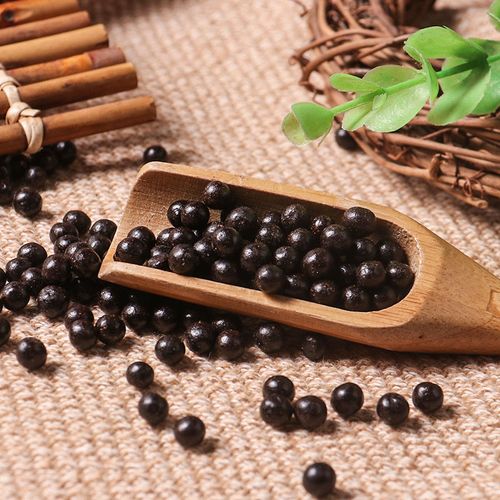
Shudi (prepared Rehmannia), Lycium (goji), Ophiopogon, and Asparagus cochinchinensis are good helpers for nourishing yin. Prepared Rehmannia can tonify blood and nourish yin, benefiting essence and filling the marrow; Lycium can tonify liver and kidney, benefit essence and improve vision; Ophiopogon can nourish yin and generate fluids, moisten the lungs and clear the heart; Asparagus cochinchinensis can nourish yin, moisten dryness, clear the lungs and generate fluids. These herbs can sufficiently replenish kidney yin, allowing kidney yin and kidney yang to reach balance; by tonifying both yin and yang and mutually compensating deficiencies, kidney essence and kidney qi naturally become abundant.
After that, use Achyranthes, Dipsacus, and Eucommia to nourish the liver and kidney. Achyranthes can remove blood stasis and unblock the channels, benefit the joints, promote urination and resolve stranguria; Dipsacus can tonify liver and kidney, strengthen tendons and bones, reconnect fractures, and stop abnormal uterine bleeding; Eucommia can tonify liver and kidney, strengthen tendons and bones, and stabilize pregnancy. These three herbs nourish the liver and kidney—when the liver and kidney are well nourished, they also support kidney function.
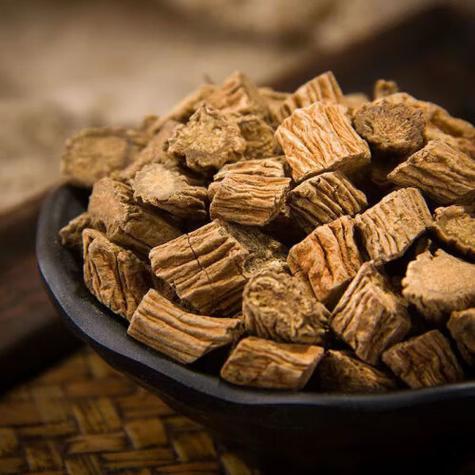
There is also Atractylodes macrocephala, Astragalus, Panax ginseng, and Poria cocos; they can strengthen and regulate the spleen and stomach. The spleen and stomach are the foundation acquired after birth and the source of qi and blood production; when the spleen and stomach are healthy, ingested food can be better transformed into qi and blood. With sufficient qi and blood, the kidneys can also be nourished. In this way, when liver blood is adequate and liver qi flows smoothly and the spleen and stomach function well, kidney function is regulated from multiple angles, making it hard for your kidneys not to grow stronger.
If any of you have kidney deficiency issues, you might try this prescription — it could possibly produce good results.