Chronic nonbacterial prostatitis: sharing a prescription that works better than antibiotics
Although Traditional Chinese Medicine does not have the term "prostatitis" per se, it does have its own perspective on symptoms such as urinary frequency, urgency, dysuria, and dull perineal pain. From the TCM standpoint, these symptoms all fall under damp-heat sinking downward.
Damp-heat sinking downward, simply put, means accumulation of damp-heat toxins in the body that cannot be expelled. It’s like a bucket filled with sewage: it becomes turbid and hard to clean. This damp-heat pathogen trapped in the lower jiao obstructs bladder and prostate function, leading to inflammation of the prostate, which in turn compresses the bladder and causes symptoms such as urinary frequency, urgency, and dysuria.
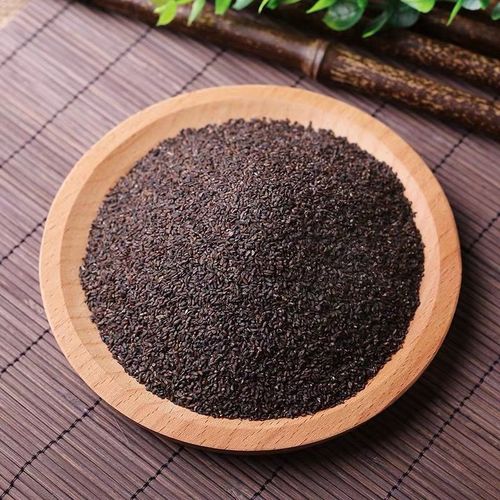
For this condition, Traditional Chinese Medicine has a very targeted prescription called Bazheng San. Bazheng San is like a key that can open the drain for detoxification, helping the body expel damp-heat. Modern research has found that Bazheng San not only clears heat and promotes diuresis and detoxification, but also has significant anti-inflammatory and analgesic effects. This is mainly because plantain seed (Cheqianzi) and Dianthus (Qu Mai) in the formula contain various antibacterial and anti-inflammatory active components that can relieve the local inflammatory response caused by prostatitis, improve lower urinary tract smooth muscle function, and reduce urinary outflow resistance.
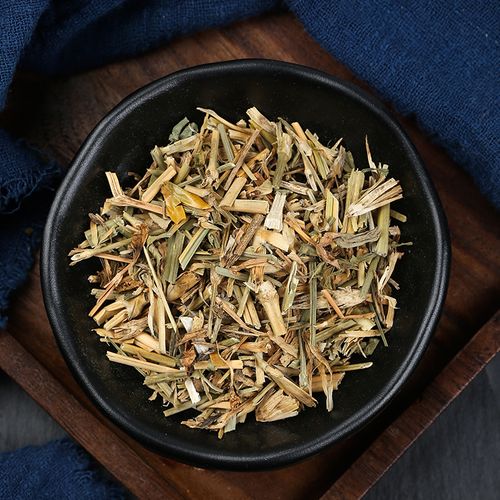
Compared with antibiotics, Bazheng San is more effective for chronic nonbacterial prostatitis, and it has high safety and few side effects, making it suitable for long-term management. Of course, when prescribing, we still need to modify the formula according to the patient’s actual condition to ensure the best therapeutic outcome.