Spleen deficiency is divided into two types: one corresponds to Lizhong Wan, the other to Liu Junzi Tang
Today let's talk about the topic of spleen deficiency. Spleen deficiency is a common condition in TCM, and it is mainly divided into two types: one is spleen-yang deficiency, and the other is spleen-qi deficiency.
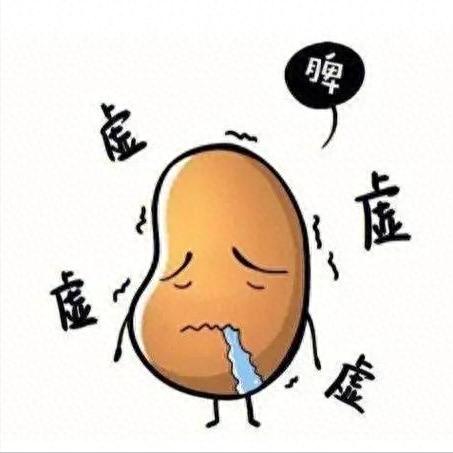
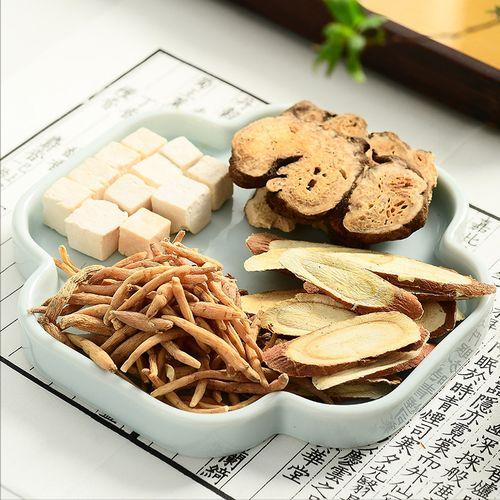
First, let's discuss spleen-yang deficiency. People with spleen-yang deficiency tend to get stomach pain or diarrhea after eating cold foods, and they particularly like to drink warm beverages. These typical symptoms are indications for Lizhong Wan. Lizhong Wan is composed of several herbs including Ren Shen (ginseng), Gan Jiang (dried ginger), Bai Zhu (Atractylodes macrocephala), and Gan Cao (licorice); it can warm the center and dispel cold, tonify qi and strengthen the spleen, and is especially effective for treating spleen and stomach cold deficiency.
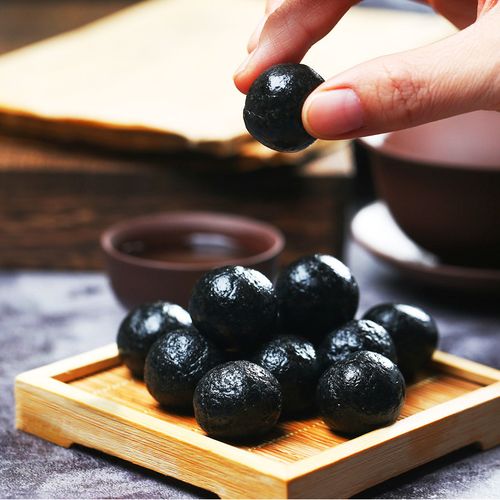
Next, let’s talk about spleen qi deficiency. People with spleen qi deficiency have insufficient digestive power in the spleen and stomach; ingested food cannot be digested, a little overeating causes abdominal distention that persists for a long time and is not easily relieved, and they often have food stagnation, acid regurgitation, and vomiting. This condition is an indication for Liu Jun Zi Wan. Liu Jun Zi Wan can strengthen and tonify the spleen, and it also has dampness-resolving and phlegm-transforming effects, making it particularly suitable for symptoms that combine deficiency with excess.
Overall, although spleen deficiency is divided into two types—spleen yang deficiency and spleen qi deficiency—if we treat according to the symptoms and use the appropriate patent Chinese medicine, we can very well regulate this problem. Of course, it’s best to consult a professional physician before using any medication.