When qi and blood arrive, all illnesses dissipate — here are four proprietary Chinese medicines to tonify qi and blood and nourish the whole body
Today let’s talk about the importance of qi and blood, and how to regulate them with proprietary Chinese medicines to master the little secrets of health and longevity.
In Traditional Chinese Medicine, qi and blood are the vital roots of the body. When qi and blood are sufficient, a person appears energetic and their complexion is rosy; when qi and blood are both deficient, not only is the spirit depleted and the face becomes pale and sallow, but one also easily feels weak all over, dizzy and lightheaded, short of breath and reluctant to speak. Therefore, tonifying qi and blood is key to health preservation.
Today I will introduce four classic proprietary Chinese medicines, all the crystallization of generations of famous physicians' wisdom, evolved from formulas passed down for centuries, specifically treating combined qi and blood deficiency.
The first is Bazhen Wan. Bazhen Wan is the "double champion" for tonifying qi and blood. It is a combination of the qi‑tonifying Si Jun Zi Tang and the blood‑nourishing Si Wu Tang, able to both tonify qi and nourish blood. If you feel severely deficient in qi and blood, have a poor facial complexion, and general lack of strength, Bazhen Wan is your best choice.
Next is Xiaoyao Wan. The name Xiaoyao Wan itself sounds uplifting. It not only relieves liver qi stagnation but also tonifies both qi and blood. Xiaoyao Wan contains Danggui and Baishao, two excellent blood‑nourishing herbs, and Bai Zhu, Fuling, and Gancao, three herbs that strengthen the spleen and benefit qi. Added with Chaihu, a good herb for soothing the liver and relieving depression, it is especially suitable for those with combined qi and blood deficiency with liver qi stagnation. If you often feel chest tightness, irritability, or depressed mood, Xiaoyao Wan is your "mood lifter."
Now about Guipi Wan. Despite having "spleen" in its name, Guipi Wan is also effective for tonifying both qi and blood. It contains qi‑tonifying herbs such as Huangqi, Dangshen, Baizhu, and Fuling, and blood‑nourishing herbs such as Danggui, Hongzao, and Longyanrou. Even better, it includes Suanzaoren and Yuanzhi, herbs that calm the mind and tranquilize the spirit. So, if you have combined qi and blood deficiency with severe insomnia, Guipi Wan is your "calming formula."
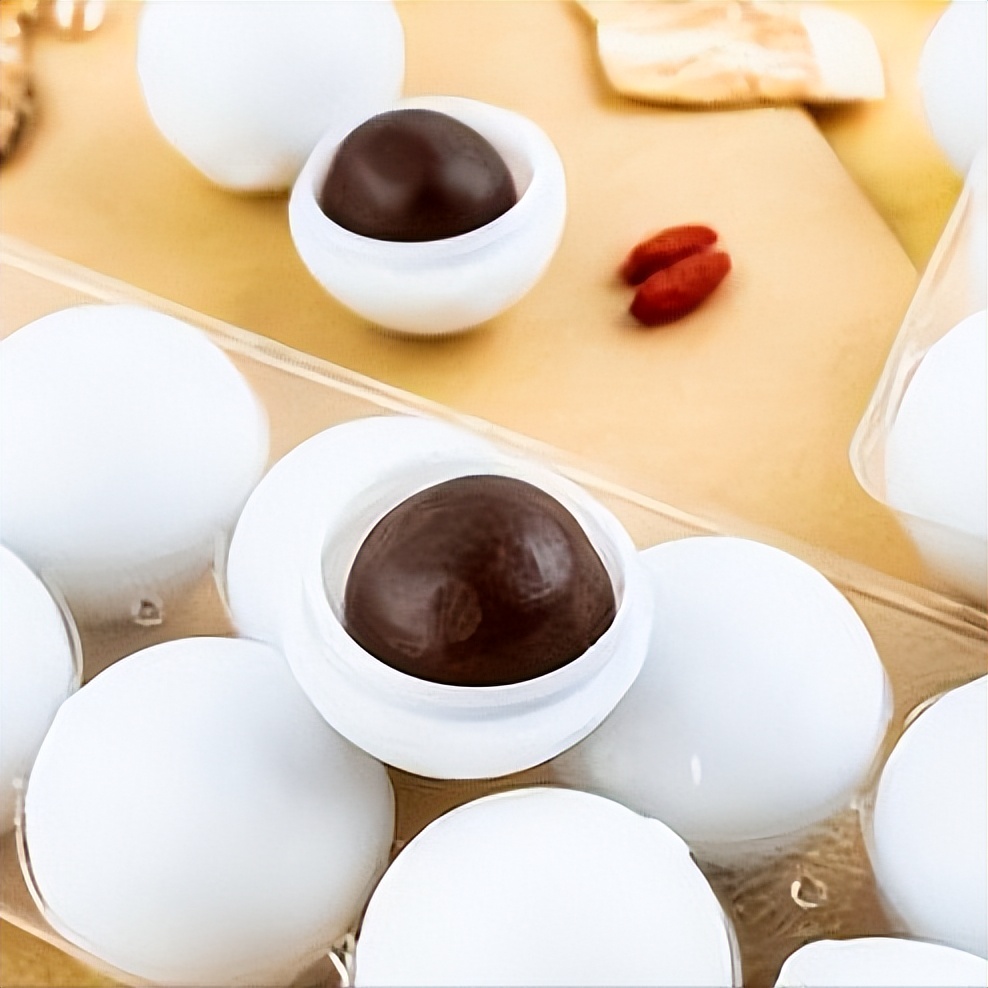
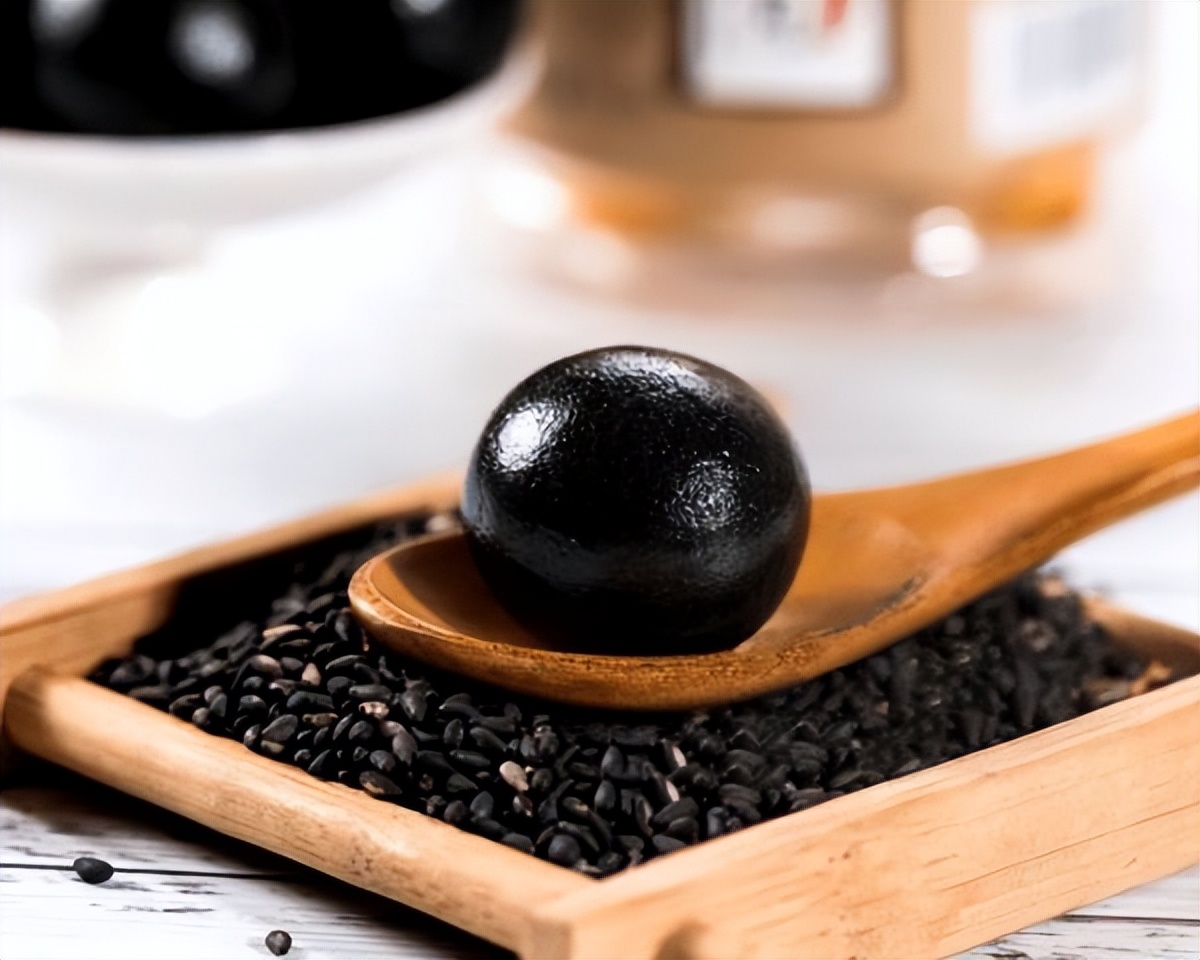
The last one is Haishaodan. Many people may not be familiar with it, but it is a "versatile contender." Haishaodan not only tonifies both qi and blood, but also strengthens the bones and nourishes the kidneys. It contains rehmannia, Cistanche, Morinda officinalis (Bajitian), Cornus officinalis (Shanzhuyu), and Schisandra (Wuweizi), which are all effective kidney-tonifying herbs. If you often feel weakness and soreness in the waist and legs, dizziness and tinnitus, loosening teeth, or difficulty urinating, Haishaodan is your "kidney-tonifying treasure."
So, as you can see, each of these four proprietary Chinese medicines has its own merits and can help us tonify qi and nourish blood. However, it's best to consult a professional TCM physician before taking any medicine to see which one suits you best. After all, everyone’s constitution is different, and prescribing according to the symptoms is key!