Kidney-tonifying medicines cause internal heat, three herbs to unblocking the yang pathway and invigorating the zongjin
Many men, when facing issues of erectile dysfunction and premature ejaculation, immediately think to tonify the kidneys. But after taking many kidney-tonifying medicines, they find the effects are not obvious, and some even develop symptoms of internal heat and constipation. What exactly is going on?
In fact, this may be because our lower body, that is the “lower jiao” in TCM terms, is somewhat blocked. When qi and blood cannot pass, they cannot properly nourish the key parts of our body, namely the “zongjin.” Those warming kidney-tonifying herbs, once taken, accumulate in the spleen and stomach; over time they transform into heat, which is why symptoms of internal heat arise.
What to do in this situation? Don’t worry — before we tonify, we need to first unblock the body’s circulation, in other words, clear the “yang passages.” Today I’ll introduce a small formula: four simple herbs that both tonify yang and unblock yang, directing yang qi to where it’s needed. The four herbs are cinnamon bark (Rou Gui), cassia twig (Gui Zhi), Atractylodes macrocephala (Bai Zhu), and Rosae laevigatae fructus (Jin Ying Zi).
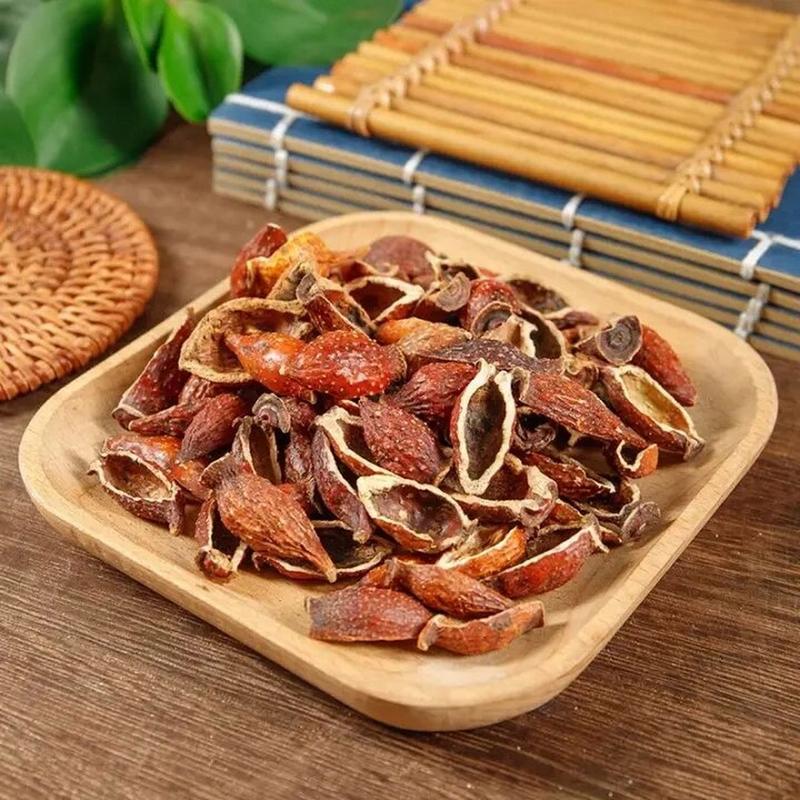
Rou Gui and Gui Zhi act like little heaters in the body: they warm and tonify yang, and they also unblock the meridians so yang qi can smoothly reach the zongjin, addressing sensitivity and erectile firmness problems caused by obstruction of the yang passages. Jin Ying Zi and Bai Zhu, on the other hand, complement this: one helps astringe urine and strengthen the ability to consolidate jing; the other strengthens the spleen and stomach, and with a healthy spleen-stomach the herbs are more readily absorbed.
Therefore, this combination of four herbs can be fairly effective for andrological problems caused by obstruction of the yang passages. If you’re interested, you might consider trying it. Of course, taking medication should be done under a physician’s guidance — don’t self-medicate!