Heavy sweating of the head is damp-heat; night sweating is yin deficiency; daytime excessive sweating is qi deficiency
Today let’s talk about those matters in TCM related to sweating.
Did you know? Sometimes we easily sweat on the head—this may be because there is some damp-heat in the body, or some heat in the stomach. It’s like when we boil water: the heat rises upward, and we sweat on the head. People like this tend to sweat on the head and face while eating, are prone to “internal heat” (shang huo), develop oral ulcers, swollen painful gums, and uncomfortable throat. At this time, you can try Huanglian Qingwei Wan; it can help clear heat from the stomach and reduce the fire.
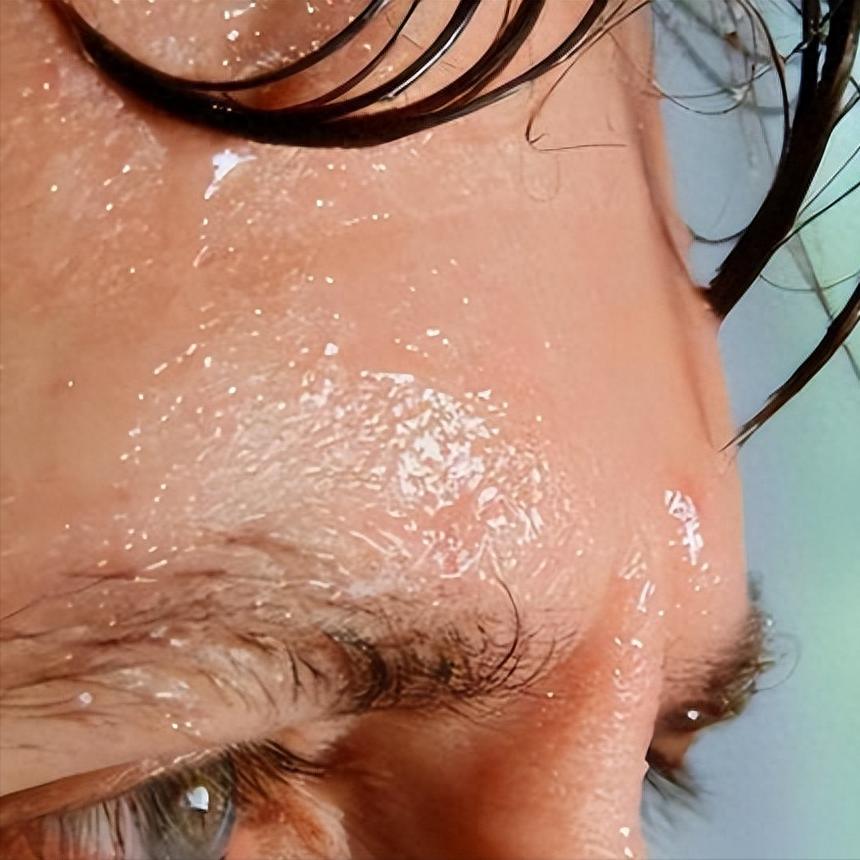
Now let’s talk about night sweats — sweating secretly while sleeping. This is often due to an internal imbalance, commonly referred to as yin deficiency. At night, especially the palms and soles, are often damp, and it may be accompanied by minor issues such as seminal emission (or loss of nocturnal clear discharge), tinnitus, and soreness and weakness of the lumbar region and knees. At this time, we need to nourish yin and reduce fire; Da Bu Yin Wan is a good option, and the dosage can be adjusted according to the situation.

Also, some people sweat a lot during the day; this may be due to lung qi deficiency. The lungs are like the body’s air-conditioning system, responsible for regulating body temperature and controlling the opening and closing of pores. If lung qi is deficient, it’s like an underpowered air conditioner: you sweat with slight exertion, feel short of breath and fatigued, sometimes have palpitations, and are prone to catching colds. In this case, we need to tonify lung qi and stop sweating; Yu Ping Feng San is a helpful remedy and can be used appropriately according to the situation.

Overall, sweating may seem insignificant, but there’s quite a lot to it. We need to choose appropriate ways to regulate our bodies based on our individual situations. I hope these little bits of knowledge can help everyone so that we can all stay healthy!