Yu Ping Feng San and Cang Er Zi San: the real "crushers" of rhinitis
Today let's talk about a pesky little problem—rhinitis. When it comes to rhinitis, I must recommend two treasures from Chinese medicine; they act like "crushers" for rhinitis and are particularly effective!
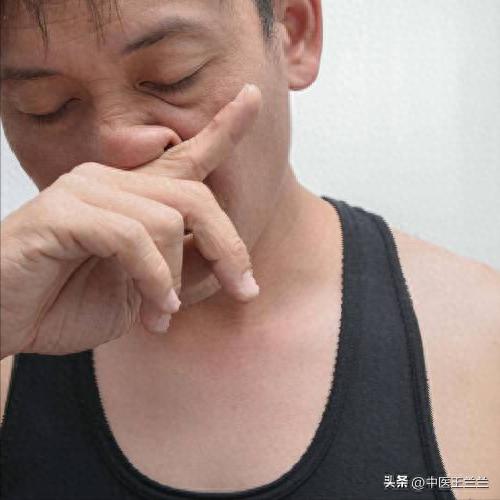
These two treasures are Yu Ping Feng San and Cang Er Zi San. Yu Ping Feng San is like building a solid defensive wall for the body; it tonifies qi and secures the exterior. Many people with rhinitis initially have lung qi deficiency; with a little wind or a bit of chill, they start sneezing and having a runny nose. At such times, Yu Ping Feng San can be very useful—it helps strengthen the body’s "wall" so that wind pathogens and cold cannot enter.
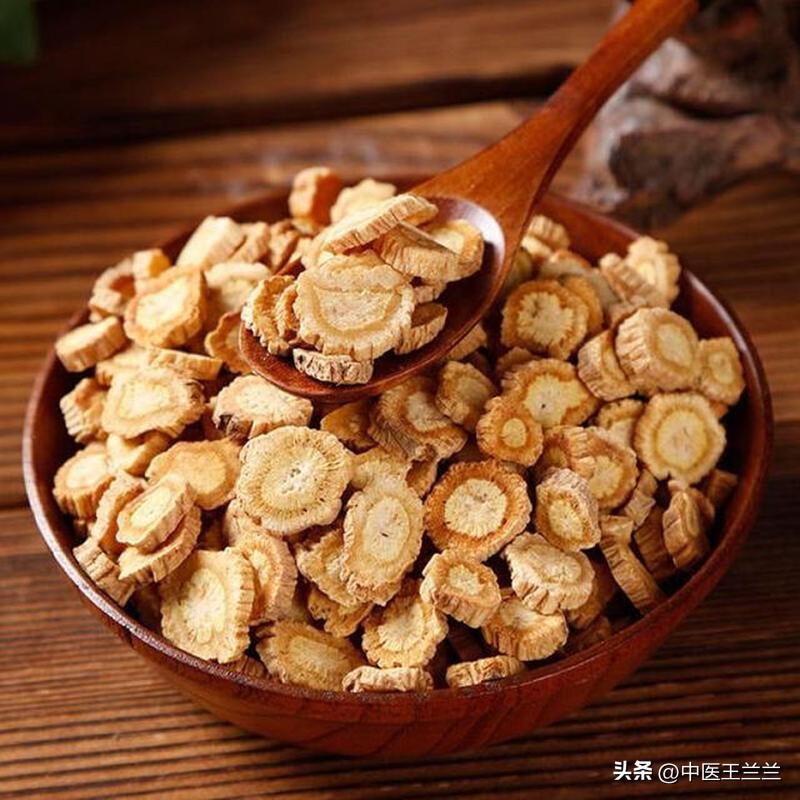
But rhinitis isn't that easy to deal with. Sometimes, although using Yupingfeng San can relieve symptoms somewhat, as soon as you stop the medicine the rhinitis comes back. Why is that? It turns out that when rhinitis flares, there are often "bad elements" such as wind, cold, and dampness causing trouble in the body. If you only reinforce the "city walls" but don't deal with those "bad elements," they will wreak havoc inside the walls — this is what traditional Chinese medicine calls "closing the gate while leaving the bandits inside."
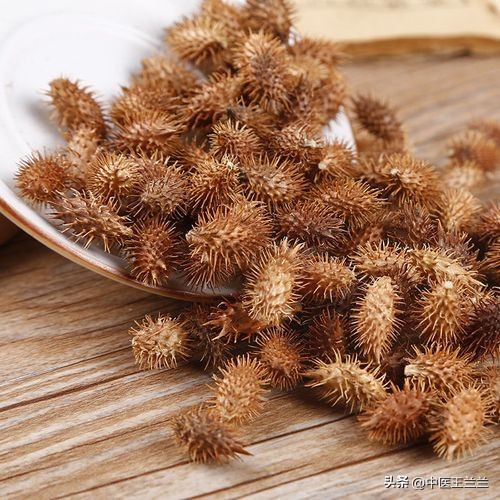
So we need a two-pronged approach: reinforce the "city walls" while also driving those "bad elements" out. This is where Cang Er Zi San comes into play. It acts like a "cleaner" in the body, able to dispel wind and relieve pain and to open and clear the nasal orifices. The Xin Yi Hua (Magnolia flower) can remove wind-cold throughout the body, Cang Er Zi expels wind and eliminates dampness, mint (Bo He) can clear the nasal passages, and Bai Zhi drives out external cold pathogens. In this way, Yupingfeng San supports the body's upright qi, and Cang Er Zi San dispels the pathogenic factors; combined, they make rhinitis less likely to recur.
So, friends, if you are troubled by rhinitis, you might try these two small TCM prescriptions. But remember, be sure to use them under the guidance of a physician!