Damp-heat entering the sinews, weakness and easy leakage, teach you a formula to lift and delay
Today let's talk about an issue that may trouble many brothers — damp-heat in the body. Don't underestimate this damp-heat; it's even more troublesome than kidney deficiency, especially for our male friends.
Did you know? There is something in our body called the "zongjin" (ancestral sinew); simply put, it is the body's largest tendon/sinew pathway. The organ most closely related to this zongjin is the liver. The liver governs the sinews, so the condition of the liver directly affects the state of the zongjin.
But the liver has a weakness: it fears damp-heat. Once damp-heat wreaks havoc in the liver channel, it blocks the flow of qi and blood, so the zongjin (root tendons/muscular system) cannot receive adequate nourishment and its function is greatly reduced. At that point, if you blindly try to tonify the kidneys or strengthen yang, you'll only be pouring oil on the fire—supplementing will make things worse.
So how do you tell if damp-heat has entered your liver channel? If you notice a red tongue with a yellow, greasy coating, severely constipated stools, persistent dry or bitter mouth, or minor issues like a damp scrotum, you should be cautious.
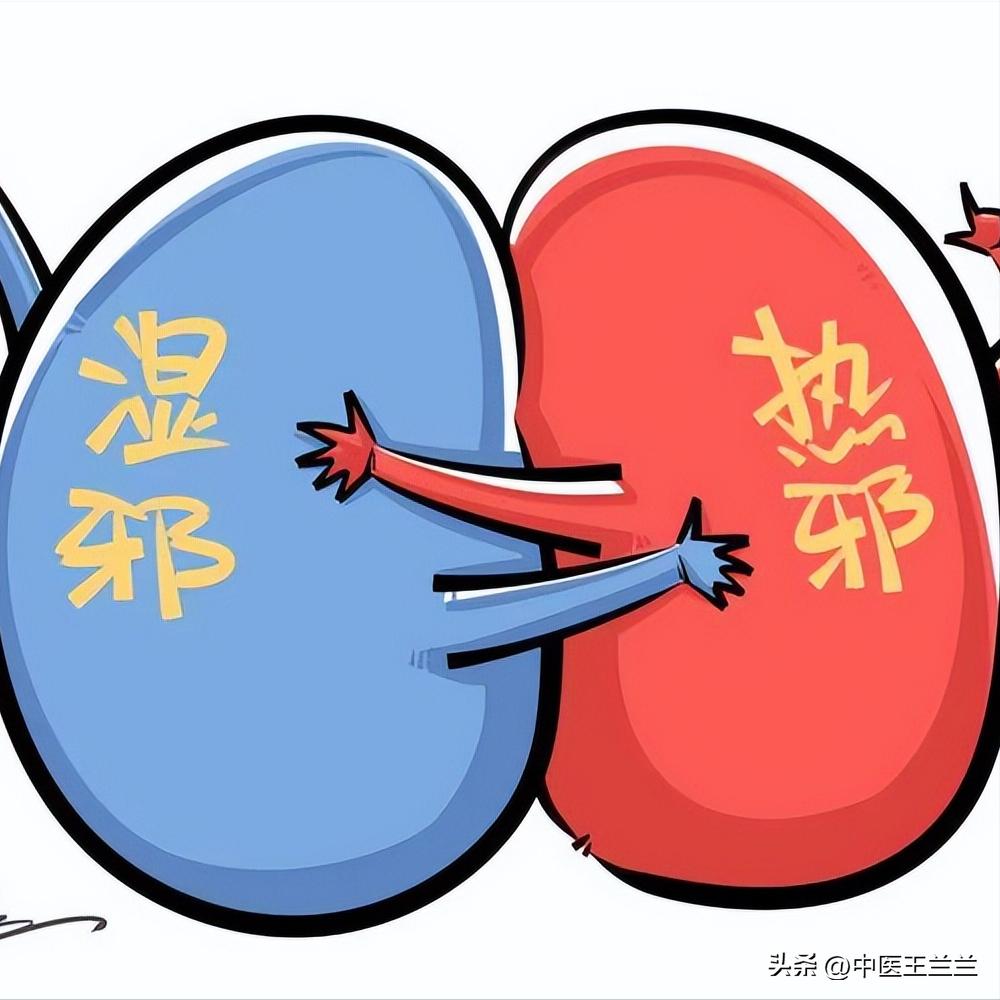
If damp-heat is blocked for a long time it can turn into blood stasis, making the problem more complicated. What to do? Don’t worry, I have three small tips to help you handle it.
Step one: clear damp-heat to make the zongjin firm again. At this stage, the three Chinese herbs Huang Bai (Phellodendri Cortex), Cang Zhu (Atractylodis Rhizoma), and Fu Ling (Poria) come into play. Huang Bai clears heat and dries dampness, Cang Zhu strengthens the spleen and transforms dampness, and Fu Ling is an expert at promoting urination and draining dampness. Together, the three of them leave damp-heat with nowhere to hide.
Step two: remove blood stasis and add some resilience to the central tendon. The two herbs, Sanleng and Ezhu, one excels at breaking up blood stasis and eliminating stasis, the other can break qi, disperse stasis, and resolve accumulations. Working together, they act like a deep SPA for the central tendon, restoring its original elasticity and resilience.
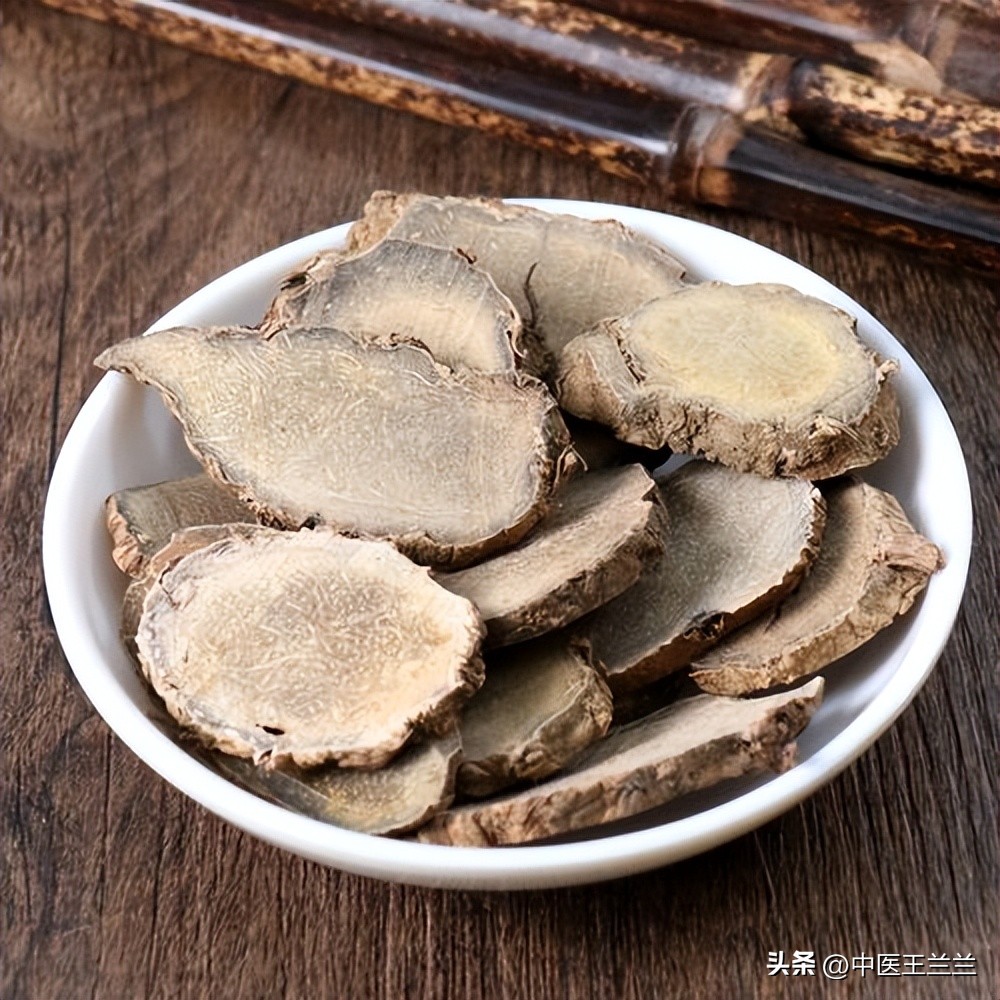
Final step: tonify kidney qi to prolong duration. Wu yao (Lindera) promotes qi movement and relieves pain, warms the kidneys and disperses cold; gui zhi (Cinnamomum cassia twig) warms and unblocks the meridians and assists yang to transform qi. Added long gu (dragon bone) and mu li (oyster shell), a good astringent and consolidation pair, your sexual function can be restored to its former state.
How is it? Aren't these three little tricks both simple and practical? Remember, the body is the foundation of everything—we must take good care of it!