A 400+-year-old formula with only two herbs, its dampness-eliminating effect is comparable to a "dryer"
Today I want to talk with you about an old prescription — a more than 400-year-old treasure. Its effect in dispelling dampness is excellent; it’s practically like a "dryer"!
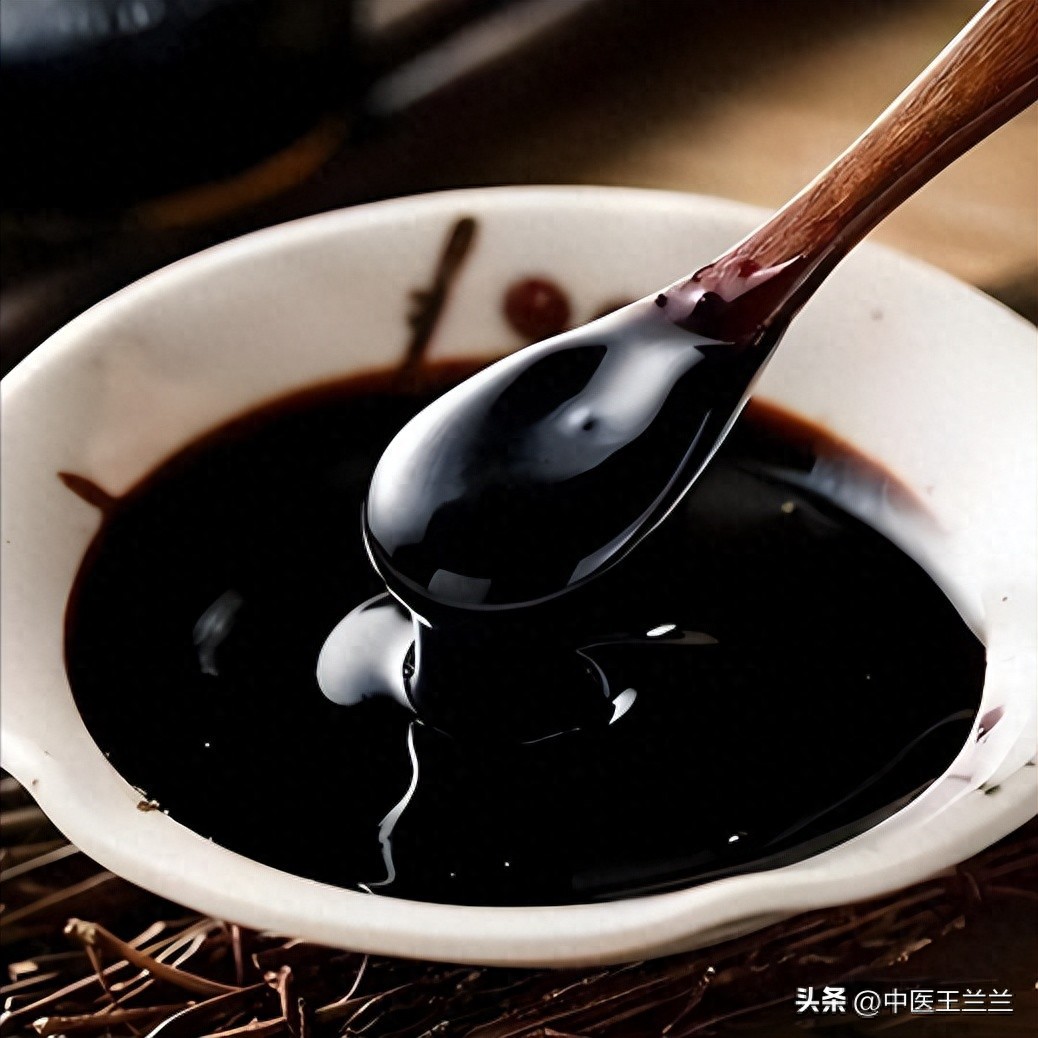
We often say "dampness begets a hundred illnesses." If dampness clings to you, it can really be a headache. How do you tell if you have dampness? It’s simple: see whether your scalp or face tends to get oily, whether you always feel phlegm in your throat that you can’t cough up, how your digestion is — whether your abdomen easily becomes bloated — and whether your stools are sticky and adhere to the toilet bowl so they won’t flush away. More seriously, heavy dampness can lead to rheumatism, eczema, and may even be associated with hypertension and diabetes.
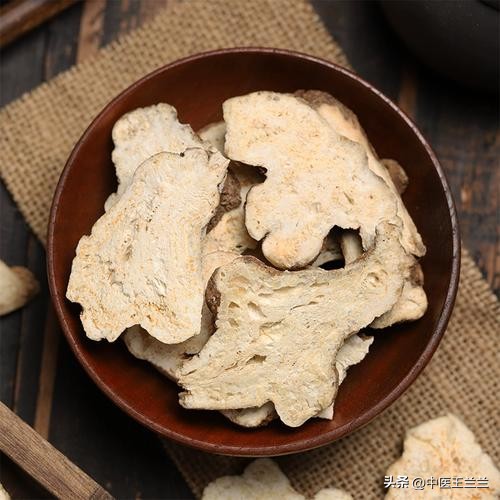
Don't worry, I have an old recipe passed down from the Ming dynasty called Baizhu Paste, made with only two herbs—Atractylodes macrocephala (Baizhu) and aged tangerine peel (Chenpi). Baizhu is a great remedy: it tonifies and strengthens the spleen, helps restore your spleen and stomach's vitality, and dries dampness to expel internal dampness. Paired with Chenpi, the Chenpi promotes qi and strengthens the spleen, guiding the qi that Baizhu tonifies into the spleen and stomach so qi does not stagnate. Furthermore, Chenpi is excellent at resolving phlegm and can eliminate phlegm from anywhere in the body.
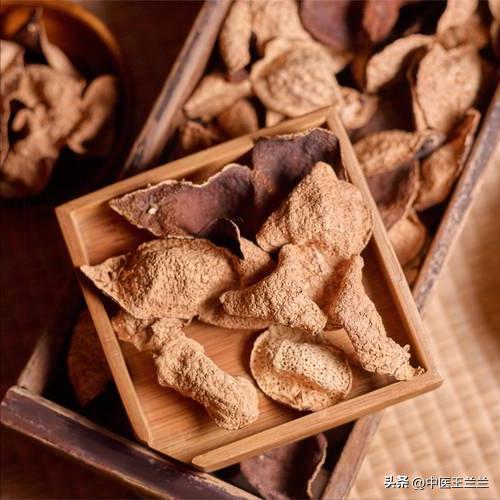
When these two herbs are combined, their dampness-resolving effect is remarkable—like your home dryer, they can dry up all the dampness, leaving your body feeling dry, fresh, and comfortable.
So, friends, if you are troubled by internal dampness, you might try this Baizhu Paste. But remember, you should follow a doctor's advice when using herbs—don't self-treat. I hope this old recipe can help everyone stay free from dampness and remain healthy!