Fear of Wind and Cold, Depleted Yang Qi: A Single Formula to Activate Collaterals and Generate Yang
Many people are constantly afraid of wind and cold; they cannot touch cold water or be exposed to cold drafts. This is especially true for joints such as the cervical spine, lumbar spine, and knees, which experience severe cold pain upon exposure to chill. Traditional Chinese Medicine (TCM) believes this is likely due to insufficient Yang Qi in the body. When Yang Qi is deficient, it lacks the strength to resist the invasion of pathogenic cold and cannot expel existing cold pathogens. This leads to cold entering the body. Furthermore, cold causes contraction and stagnation, obstructing the movement of Qi and preventing blood from flowing smoothly. Over time, this forms blood stasis. As the TCM saying goes, "Where there is obstruction, there is pain; where there is flow, there is no pain." Blood stasis blocking the meridians and collaterals ultimately results in pain.
I would like to share a formula from the famous physician Zhang Xichun called "Huoluo Quhan Tang" (Collateral-Activating Cold-Dispelling Decoction), which is used to regulate symptoms of generalized cold pain throughout the body.
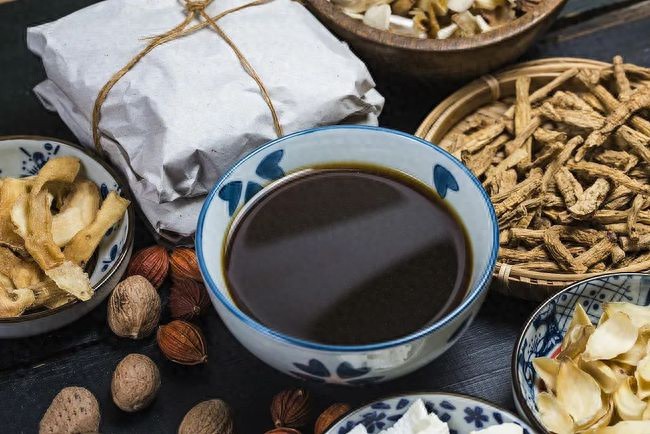
It is primarily composed of eight medicinal herbs, including Astragalus, Angelica sinensis, and Salvia miltiorrhiza. In this formula, Astragalus tonifies Qi and raises Yang, Angelica sinensis nourishes and generates blood, and Salvia miltiorrhiza nourishes the blood while promoting circulation to resolve stasis and clear the meridians. Raw Frankincense and Myrrh promote blood flow to dissipate stasis and relieve pain; raw White Peony Root nourishes the blood and relaxes tension; Cassia Twig strengthens the Heart Yang; and fresh Ginger provides pungent warmth to dispel cold. When combined, these herbs warm the meridians and dispel cold while invigorating blood circulation and clearing the collaterals. By integrating herbs that supplement Yang and expel cold with those that resolve stasis and alleviate pain, the formula not only provides a continuous infusion of Yang energy into the body but also removes blood stasis to generate fresh blood.
A reminder to everyone: Traditional Chinese Medicine requires syndrome differentiation. If needed, please consult a professional physician for timely diagnosis, treatment, and conditioning.