Deficient Yang Energy, Physical Weakness: A Famous Formula to Rescue Your Depleted Yang
If your Yang energy is deficient, it will not only leave you exhausted and listless but also affect other internal organs. When Yang deficiency affects the Heart, symptoms like palpitations, heart flutters, and arrhythmias may occur; in the Spleen, it manifests as abdominal bloating, stomach discomfort, poor appetite, and loose stools; in the Lungs, it leads to frequent colds and coughing up thin, frothy phlegm, often accompanied by a cold sensation on the back; and in the Kidneys, it can damage the Kidney Yang—the root of all Yang in the body—causing soreness and weakness in the lower back and knees, cold hands and feet, and frequent nighttime urination.
The formula I am sharing with you today comes from the book *Yizong Bidu* (Essential Readings of Medical Traditions) by the famous Ming Dynasty physician Li Zhongzi. It is called Zhengyang Lilao Tang (Decoction for Rescuing Yang and Regulating Taxation). It integrates the warming and tonifying of the Heart, Spleen, Lungs, and Kidneys to rescue the Yang energy. The formula consists of ten medicinal herbs, including Salvia (Danshen), Astragalus (Huangqi), Atractylodes (Baizhu), and Angelica (Danggui).
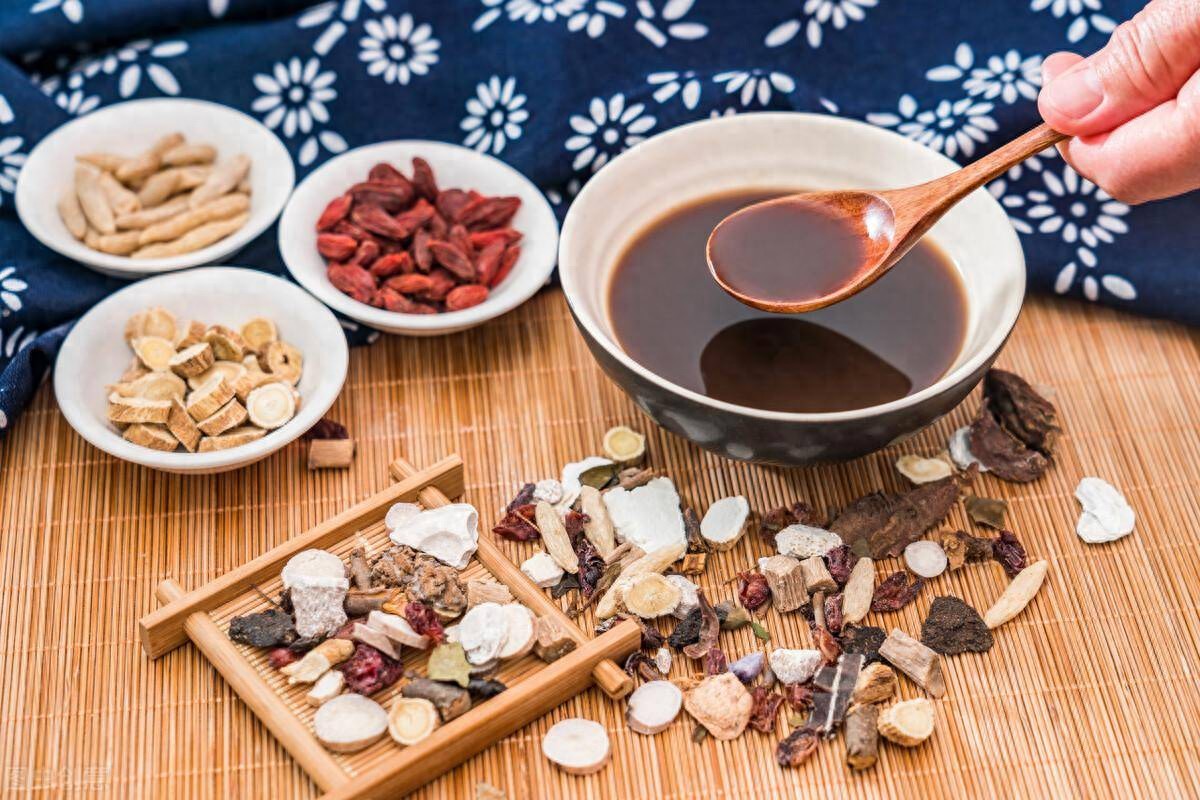
Among them, Salvia miltiorrhiza and Astragalus are both qi-tonifying herbs that replenish both internal and external qi to improve qi deficiency. Angelica not only nourishes the blood but also paves the way for the circulation of qi, helping qi carry the blood and laying a solid foundation for the elevation of yang qi. Atractylodes and honey-fried Licorice are used together to strengthen the spleen yang; Ginger and Red Dates warm the middle jiao (spleen and stomach) to dispel cold; Tangerine Peel regulates the qi of the lungs and spleen. Schisandra, with its sour and sweet astringent properties, can gather all the dissipated heart, lung, and kidney qi—entering the heart to restrain heart yang, entering the lungs to stop coughing, and entering the kidneys to consolidate the lower jiao. Cinnamon leads the fire back to its source, drawing the floating deficiency fire back into the kidneys, thereby greatly tonifying kidney yang and warming the very root of the body's yang qi.
A reminder to everyone: Traditional Chinese Medicine requires syndrome differentiation. If needed, please consult a professional physician for timely diagnosis, treatment, and conditioning.