More Effective Than Ibuprofen? A Thousand-Year-Old Remedy Specifically Targets Pain Caused by Blood Stasis!
Many people experience this: without any falls or sprains, a specific area on their body always hurts consistently, such as lower back and leg pain, joint pain, etc. When the weather turns cold, the pain becomes so severe it's hard to sleep, and they can only rely on taking ibuprofen for relief. What's really going on? To be honest, nine times out of ten, it's internal blood stasis causing trouble!
Traditional Chinese Medicine believes that if there is blockage, there will be pain. The blood stasis in our bodies is like stubborn sediment, clogging the blood vessels and meridians, preventing local tissues from receiving nourishment from qi and blood. This leads to symptoms like needle-like stabbing pain and numbness. If further exposed to cold, blood flow becomes like a small stream freezing over in winter, making the stasis and blockage even more severe. The pain that results can truly make one break out in a cold sweat.
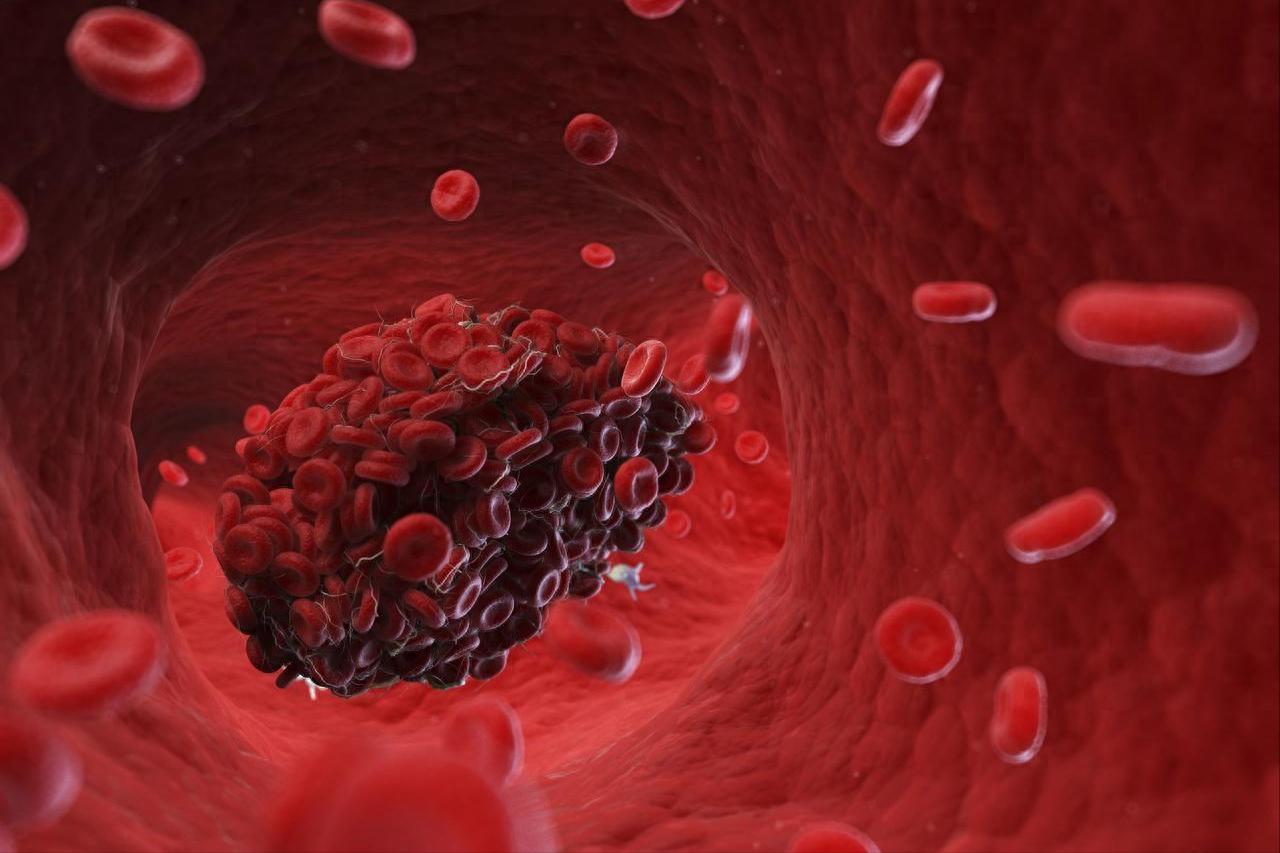
Nowadays, many people immediately reach for painkillers at the slightest discomfort, but this only treats the symptoms without addressing the root cause. Today, I’d like to share with you a traditional Chinese medicine formula that has been passed down for over a thousand years—Shentong Zhuyu Decoction. This treasure from our ancestors is specifically designed to address pain caused by blood stasis. Why is this formula so effective? Let’s take a closer look:
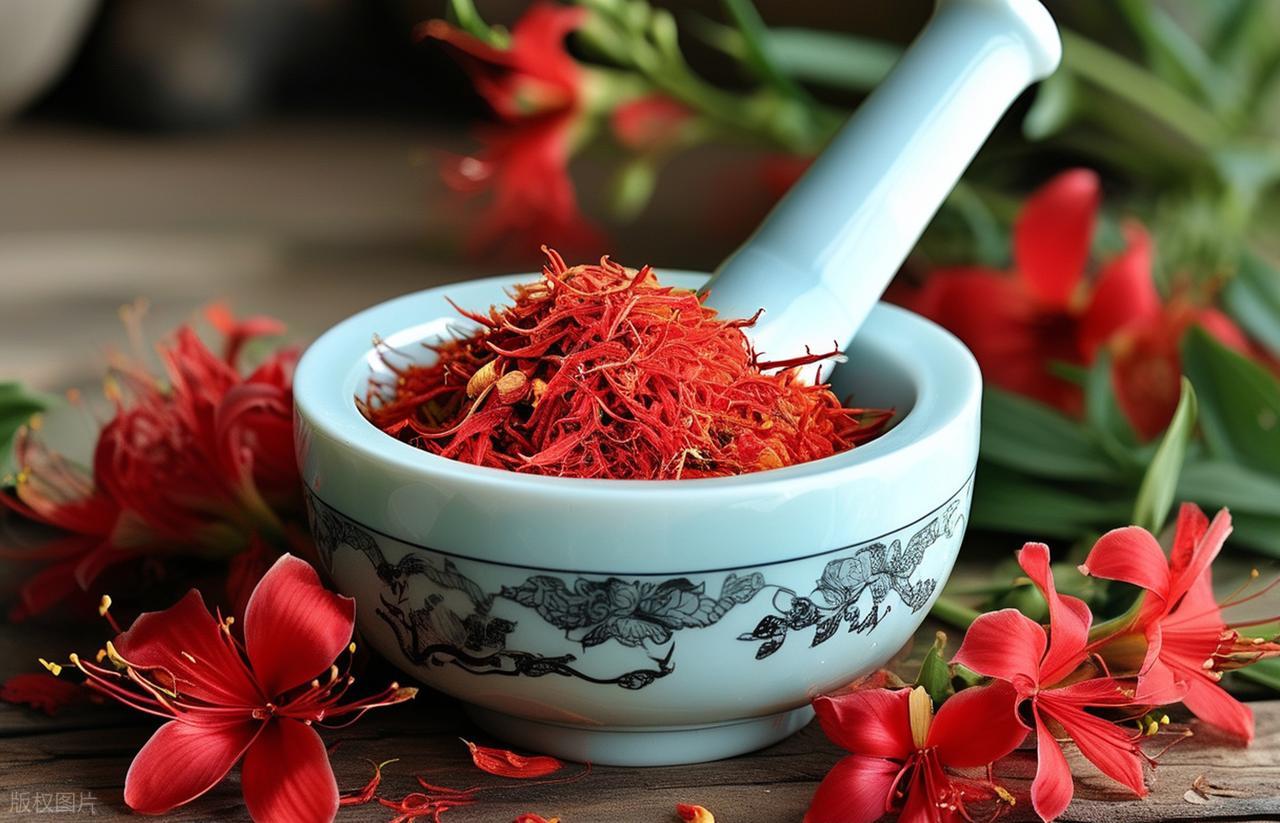
Peach Kernel + Safflower: This pair is considered the golden duo in traditional Chinese medicine for promoting blood circulation and resolving stasis. Peach kernel works to gradually break down old, stagnant blood in the vessels, while safflower ensures the smooth flow of fresh blood, delivering nutrients throughout the body. Whether it’s sharp pain in the lower back and legs or stiff, numb joints, these two work together to clear blocked pathways.
Myrrh + Trogopterus Dung: These two herbs are masters at relieving pain, especially when it comes to the intense pain caused by blood stasis. Taking them is like applying a gentle analgesic balm to the painful area, significantly reducing that needle-like pain sensation.
Cyperus Rhizome: In traditional Chinese medicine, it’s believed that "qi commands blood." When blood is stagnant, qi circulation is also disrupted. Cyperus rhizome helps to resolve qi stagnation, allowing qi to push the blood forward, which greatly enhances the effectiveness of promoting blood circulation. Chinese Angelica + Szechuan Lovage Rhizome: Just resolving stasis isn’t enough—nourishing qi and blood is also essential. Chinese angelica helps replenish blood and promote circulation, while Szechuan lovage rhizome aids in moving qi and blood, dispelling wind, and alleviating pain. These two herbs work to both clear and nourish, ensuring that promoting blood circulation doesn’t overdo it and harm the body’s vital energy.
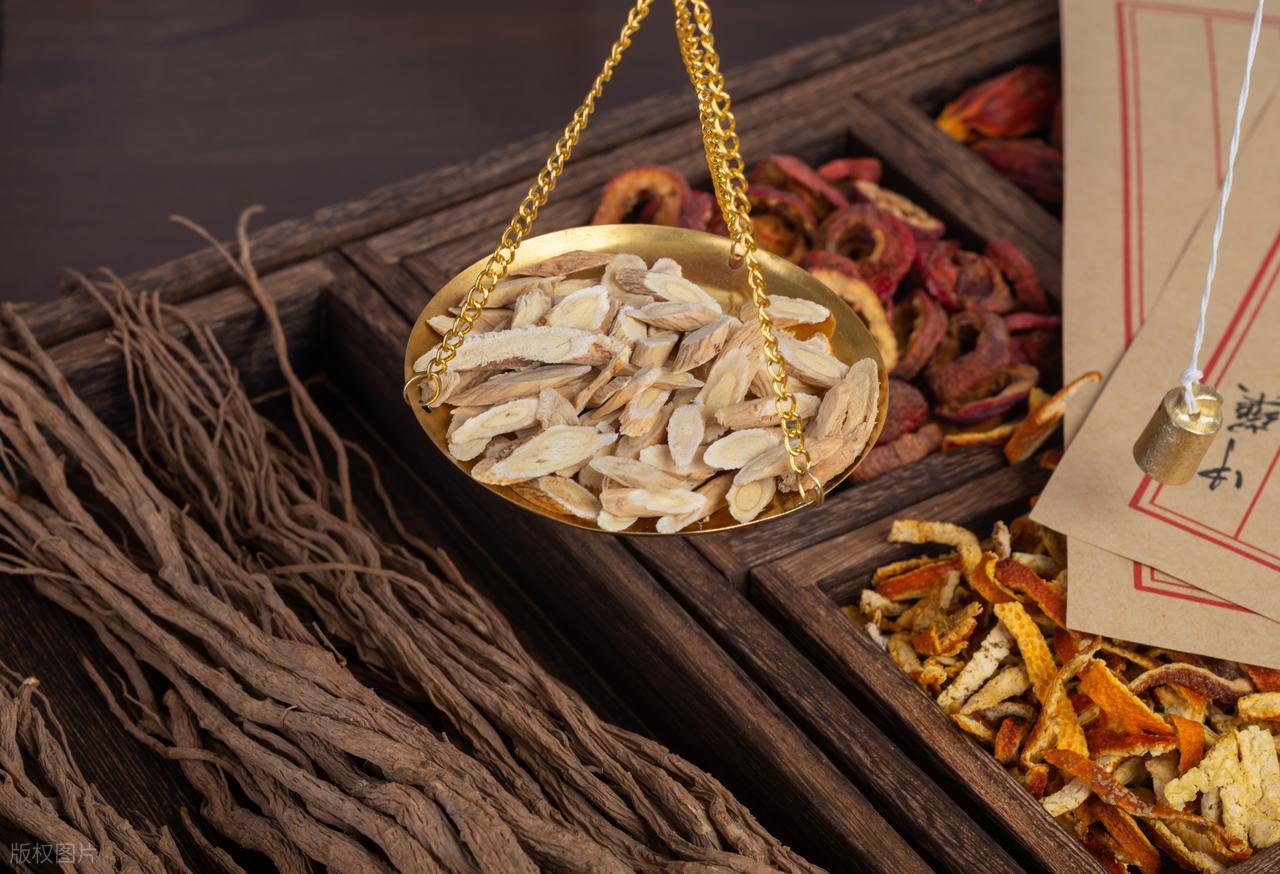
Notopterygium rhizome and root + Angelica pubescens root: When many people experience pain flare-ups, they are especially sensitive to wind and cold. These two herbs specifically target wind-cold-dampness pathogens, expelling cold-dampness from the body and preventing the formation of new blood stasis. Achyranthes root: This herb directs blood downward, acting as the delivery courier in this formula. It accurately transports the therapeutic effects of other herbs to the lumbar and leg areas, bringing medicinal efficacy precisely where pain is located.
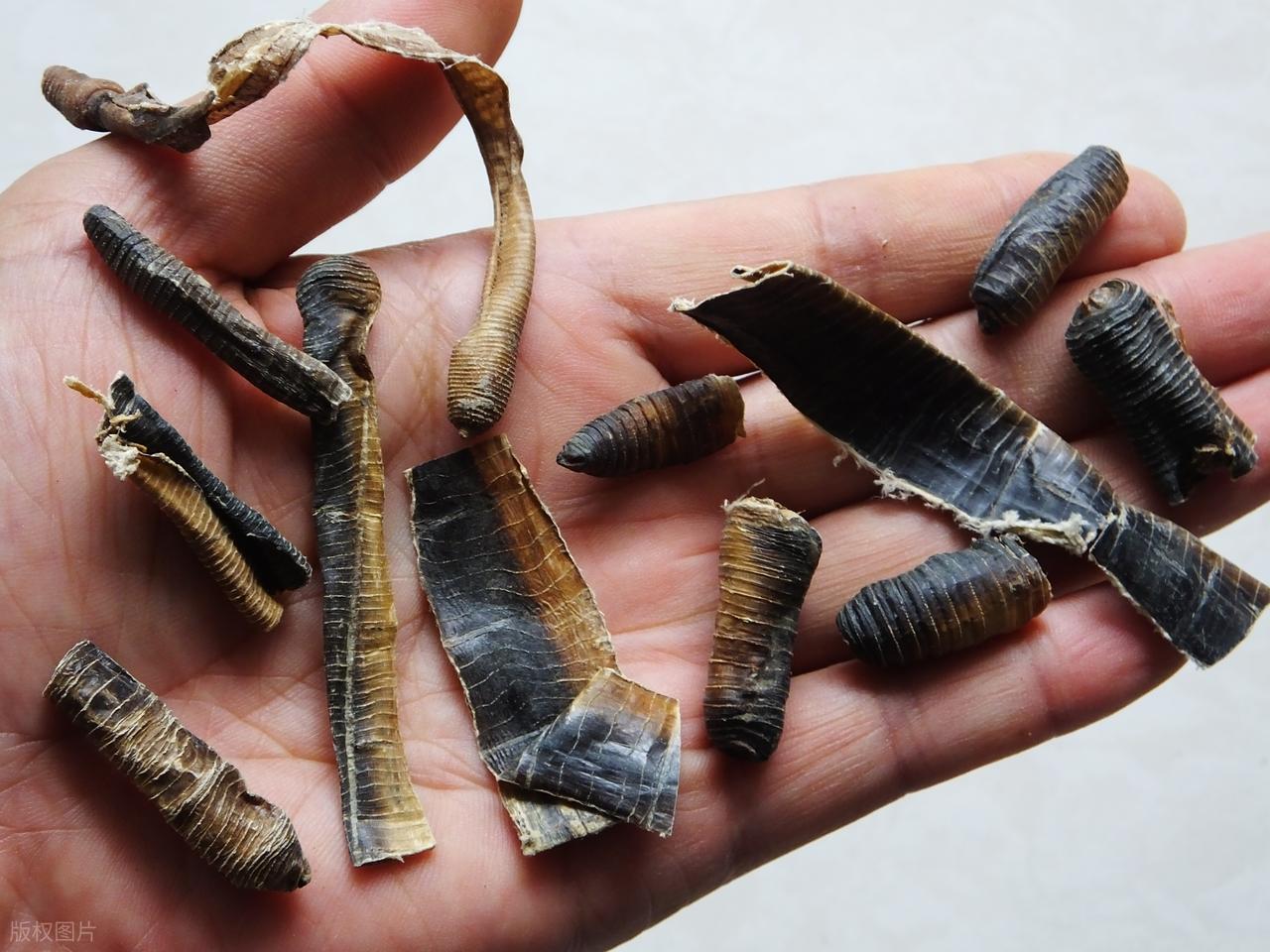
Earthworm: Don't underestimate this insect-based medicinal substance—its abilities are remarkable! Earthworm acts like a tiny drill, penetrating deep into the meridians and gradually breaking up stubborn blood stasis blockages, maximizing the effectiveness of the entire formula. The entire Shen Tong Zhu Yu Tang can be likened to a meticulously designed combination therapy: first, it breaks up blood stasis and unblocks meridians; then, it disperses cold-dampness pathogens; finally, it regulates and supplements qi and blood, addressing the root cause of pain.
However, it is important to remind everyone that the content of this article is intended for educational purposes only. Traditional Chinese Medicine emphasizes syndrome differentiation and tailored treatment, as each individual’s constitution varies, and the causes of blood stasis differ as well. Some may experience it due to long-term sedentary habits, others due to exposure to cold, and some due to lingering effects from past injuries. Therefore, if you wish to use this formula, be sure to consult a professional Traditional Chinese Medicine practitioner. They can adjust the herbs and dosage according to your specific condition. Do not self-prescribe or take medicines arbitrarily!