Does Upper-Body Heat and Lower-Body Coldness Keep Recurring? Turns Out the Middle Jiao Is Blocked—This Traditional Chinese Patent Medicine Can Help Unblock Qi Flow Throughout the Body
Do you ever experience such distress? You often feel dry mouth and throat, irritability, and restlessness, tossing and turning in bed at night unable to sleep, with mouth ulcers popping up now and then. Yet, your hands and feet are always cold, a sip of cold water gives you a stomachache, and even bundled up thickly, your calves still feel chilly. Plus, you frequently get up at night, always running to the toilet—why does this happen? Actually, this is what Traditional Chinese Medicine often refers to as the "upper-body heat, lower-body coldness" constitution, and many people are quite tormented by it.
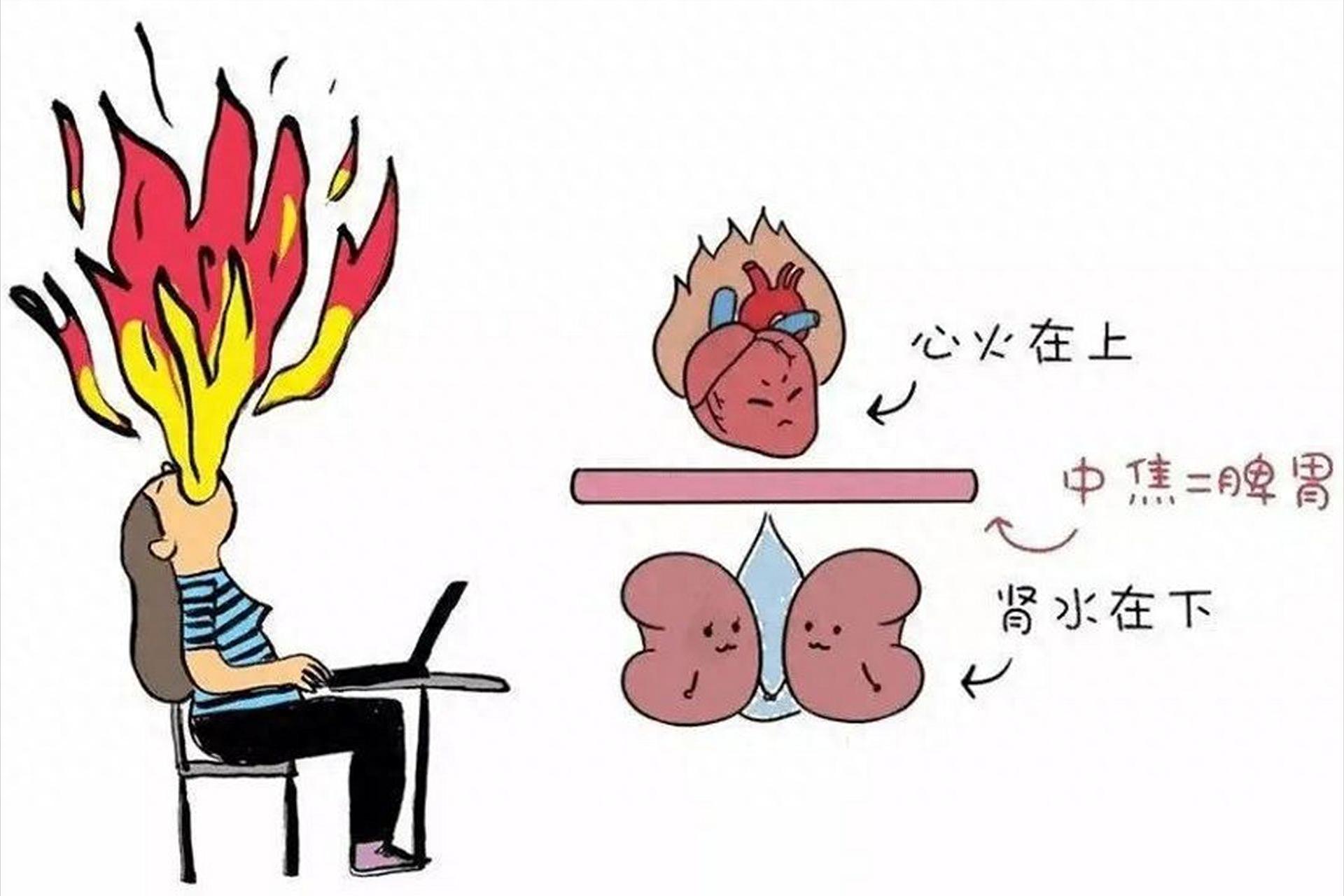
In the view of Traditional Chinese Medicine, the human body is an organic whole, like a precise little factory. The heart belongs to fire and resides in the upper part of the body, akin to the heating boiler in a factory; the kidneys belong to water and are located in the lower body, comparable to a water tank storing cold water. Under normal circumstances, the heart fire should descend to warm the kidneys, preventing excessive coldness of the kidney water; the kidney water should ascend to cool the heart fire, avoiding excessive burning. This cyclical movement up and down helps the body maintain a state of balance.
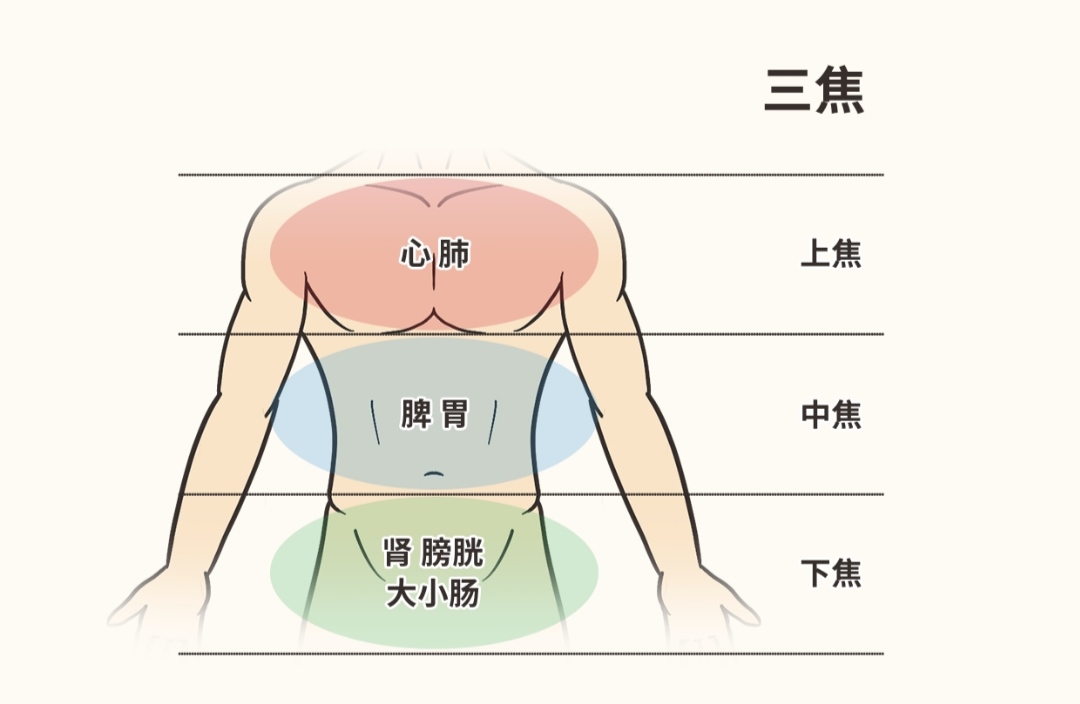
However, for many people, this circulation breaks down, and the root cause lies in the crucial hub of the middle jiao. The middle jiao actually refers to the spleen and stomach, located in the center of the body, responsible for connecting heart fire and kidney water. If spleen and stomach function is poor, food that is consumed cannot be properly digested and accumulates in the abdomen, forming food stagnation; if one often suppresses emotions, experiences high stress, qi will become blocked in the body, forming qi stagnation; and if one drinks too little water and consumes greasy foods, phlegm-dampness will also cause trouble. These "wastes" completely block the middle jiao passage, preventing heart fire and kidney water from properly interacting, which naturally leads to recurrent symptoms of heat in the upper body and cold in the lower body.
For these situations, don’t worry! Our ancestors have long prepared a solution for us—Zhishi Xiaopi Wan. This traditional Chinese medicine formula acts like a professional dredging team, specifically clearing blockages in the middle jiao.
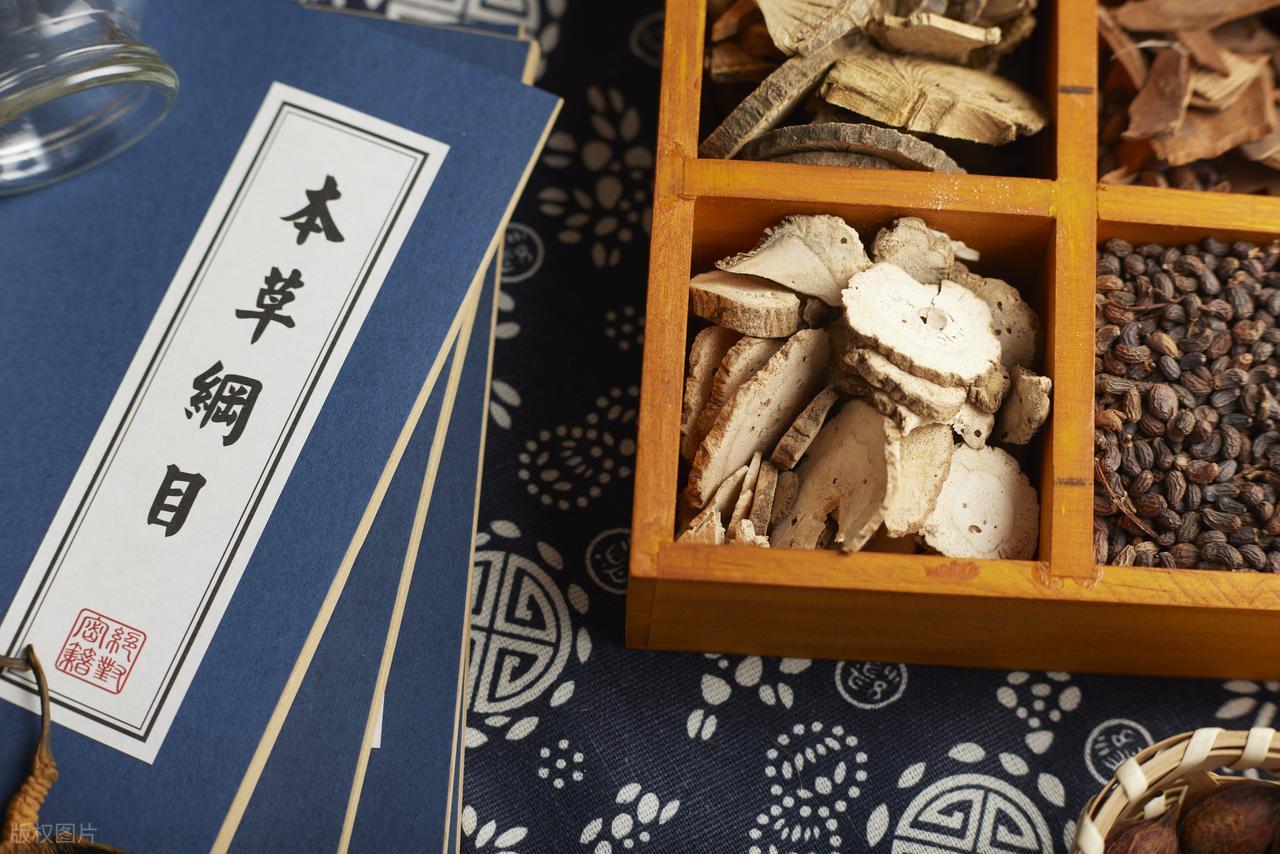
Among its ingredients, Zhi Shi (Immature Bitter Orange) and Hou Po (Magnolia Bark) can dredge blocked qi; Mai Ya (Malt) is responsible for clearing away and digesting accumulated food residues; Ban Xia Qu (Pinellia Fermented) can both resolve phlegm and aid digestion, with particularly comprehensive functions; the most remarkable pairing is Gan Jiang (Dried Ginger) and Huang Lian (Coptis Root). Gan Jiang can disperse cold, while Huang Lian can clear heat. Their combination, one warming and one cooling, adjusts the state of the spleen and stomach to its optimal condition. Additionally, the Si Jun Zi Tang (Four Gentlemen Decoction), composed of Ren Shen (Ginseng), Bai Zhu (Atractylodes Macrocephala), Fu Ling (Poria), and Zhi Gan Cao (Honey-fried Licorice), supplements the spleen and stomach with energy. When the spleen and stomach have enough strength to function, food stagnation and phlegm-dampness have no place to reside.
However, it's essential to remember that this method specifically targets upper body heat and lower body cold caused by middle jiao blockage. The content of this article is for informational purposes only. Individual body constitutions and symptoms vary. If you are troubled by issues of heat in the upper body and cold in the lower body, it is best to consult a reliable traditional Chinese medicine practitioner for syndrome differentiation and treatment, clarifying symptoms before using any medication!