Once Liver Qi Flows Freely, Phlegm-Dampness Vanishes! TCM Teaches You One Trick to Clear All Phlegm-Dampness and Make You Feel Refreshed and Light
Recently, many friends have come to me complaining: they wake up in the morning feeling heavy-headed, their throats are constantly clogged with sticky phlegm they can't seem to cough out, food tastes bland, they've even lost interest in their favorite hotpot, and their whole body feels sluggish and lethargic. Why is this happening? In fact, this is mostly phlegm-dampness in the body causing trouble. Don't worry, today I'll share a tip with you: use one specific Chinese patent medicine effectively to help you regain that feeling of refreshment.
The other day, a patient was particularly puzzled: "Doctor Li, I followed advice online and took Er Chen Wan to expel phlegm-dampness, but it didn't work at all!" This is very common! Traditional Chinese Medicine (TCM) believes that the spleen is the source of phlegm production, but people often think that dispelling dampness is all about strengthening the spleen, overlooking the liver, which is the key orchestrator behind the scenes. The liver governs free flow and is responsible for moving the body's Qi, blood, and water-dampness to where they need to go. However, if you frequently bottle up anger or are under great stress, Liver Qi can easily become stagnant. When the Qi in the body doesn't flow smoothly, the metabolism of water-dampness also slows down. Over time, phlegm-dampness accumulates, becoming stickier and more stubborn, like leftover tea that hasn't been poured out. In this case, just taking spleen-strengthening medicine is like cleaning a room without unclogging the drainpipe—it only addresses the symptom, not the root cause.
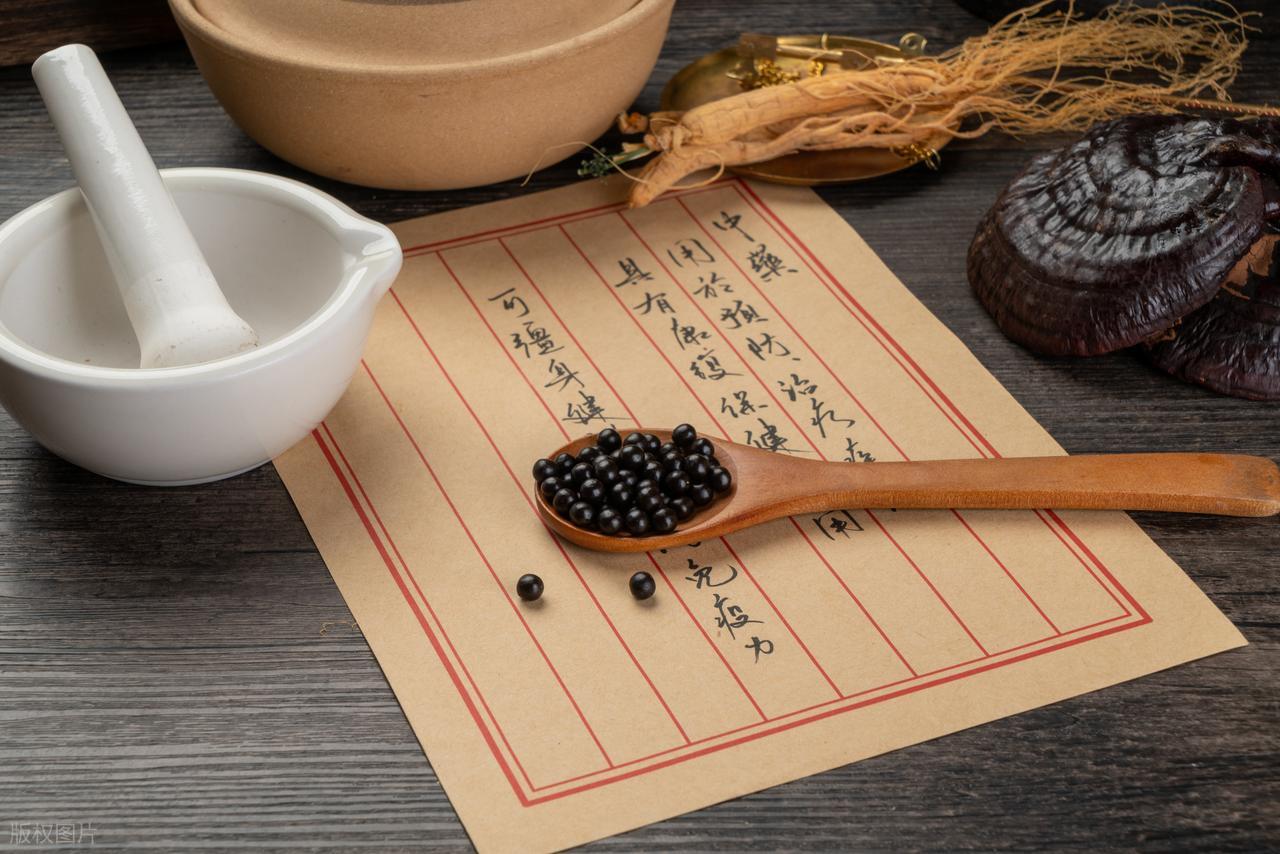
Today, I'd like to introduce a Chinese patent medicine—Yueju Pills. Don’t let the unfamiliar name fool you—this is actually a time-honored formula for regulating liver qi stagnation and internal phlegm-dampness! It consists of five traditional Chinese herbs: Chuanxiong (Sichuan lovage rhizome), Xiangfu (cyperus rhizome), Zhizi (gardenia fruit), Cangzhu (atractylodes rhizome), and Shenqu (medicated leaven). Each herb plays its own specific role:
Xiangfu (Cyperus Rhizome): serves as the primary force for dispersing liver qi. It specializes in unblocking liver qi stagnation. Only when liver qi flows smoothly can it help expel phlegm-dampness.
Chuanxiong (Sichuan Lovage Rhizome): acts like a clearance vehicle for qi and blood, assisting Xiangfu in clearing areas of qi stagnation and blood stasis.
Zhizi (Gardenia Fruit): many people tend to experience internal heat when they have excessive phlegm-dampness, with symptoms like bitter taste in the mouth, dry throat, restlessness, and insomnia. Zhizi helps extinguish all this stagnant fire
Atractylodes: The champion in dampness elimination, capable of firmly absorbing excess water and dampness in the body, then expelling it.
Shenqu (Medicated Leaven): Specifically addresses food stagnation in the spleen and stomach. When digestion is improved, there is naturally no raw material for phlegm-dampness production.
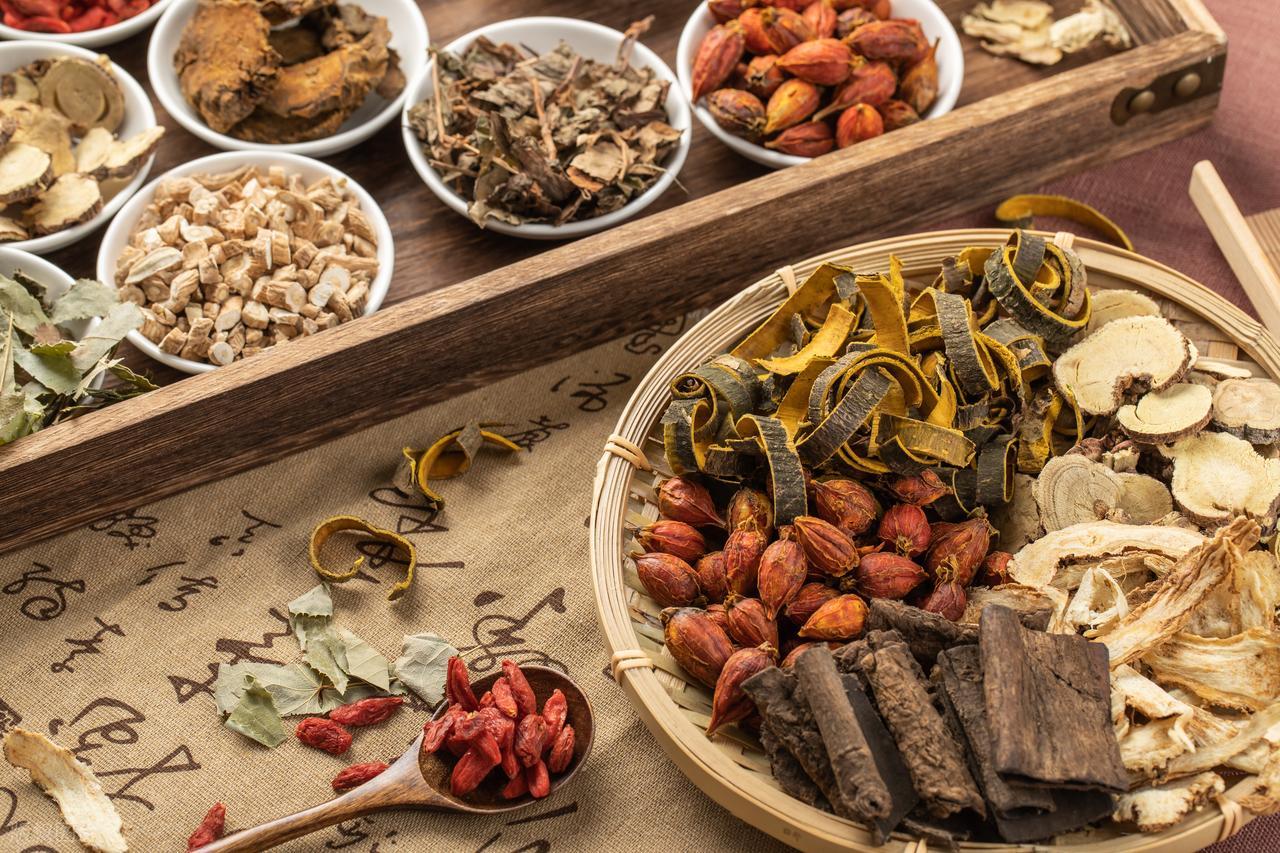
These five herbs combined work like a specialized dampness-elimination team: first, they help restore smooth liver qi flow, then resolve phlegm-dampness at its root. However, don’t rely solely on medication to remove phlegm-dampness! In daily life, reduce consumption of overly sweet and greasy foods like milk tea and cake, avoid overeating at dinner, and set aside some time each day for walking or soaking your feet to keep the qi mechanism active. Combined with Yueju Wan, a dual approach is more effective!
The content of this article is for knowledge and educational purposes only. If you experience physical discomfort, seek timely medical attention and receive syndrome differentiation treatment under a doctor's guidance!