Constipated? Zhang Zhongjing's Two Herbs Are Better Than Honey Water, Activating the Spleen and Stomach, So the Intestines Don't Strike!
Many people drink honey water as soon as they get constipated, but afterward, their stomachs still feel bloated, and they spend a long time in the bathroom with no relief. In reality, the root cause of constipation often lies in the spleen and stomach. Traditional Chinese medicine holds that the spleen and stomach are the foundation of postnatal health. Whether the food we eat can be transformed into the nutrients our bodies need depends entirely on the harmonious cooperation of this golden duo—the spleen and stomach.
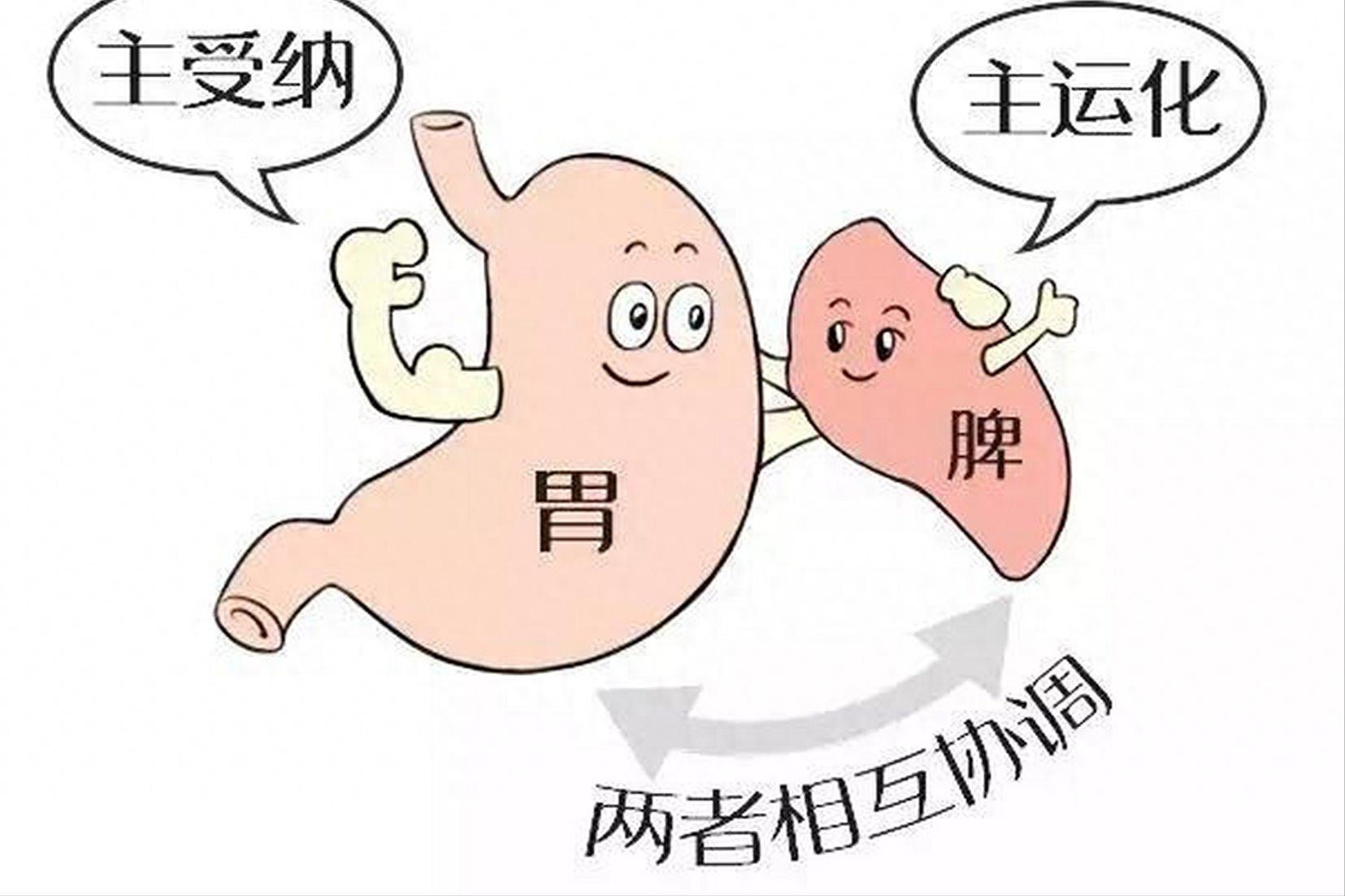
The spleen and stomach are the pivot for the rise and fall of qi. The spleen is responsible for sending nutrients from food upward, while the stomach moves the digested waste downward. If the spleen and stomach become weak, the spleen's qi cannot rise, and the stomach's qi cannot descend. The intestines then become like a conveyor belt that's jammed—no matter how many bananas you eat or how much yogurt you drink, smooth bowel movements remain difficult. Moreover, when the spleen and stomach are weak, phlegm-dampness can easily accumulate in the body, and the flow of qi and blood may become obstructed, further exacerbating the constipation.
Today, I'll share a wonderful formula from the Medical Sage Zhang Zhongjing—just boil and drink two herbs: Fructus Aurantii Immaturus and Rhizoma Atractylodis Macrocephalae.
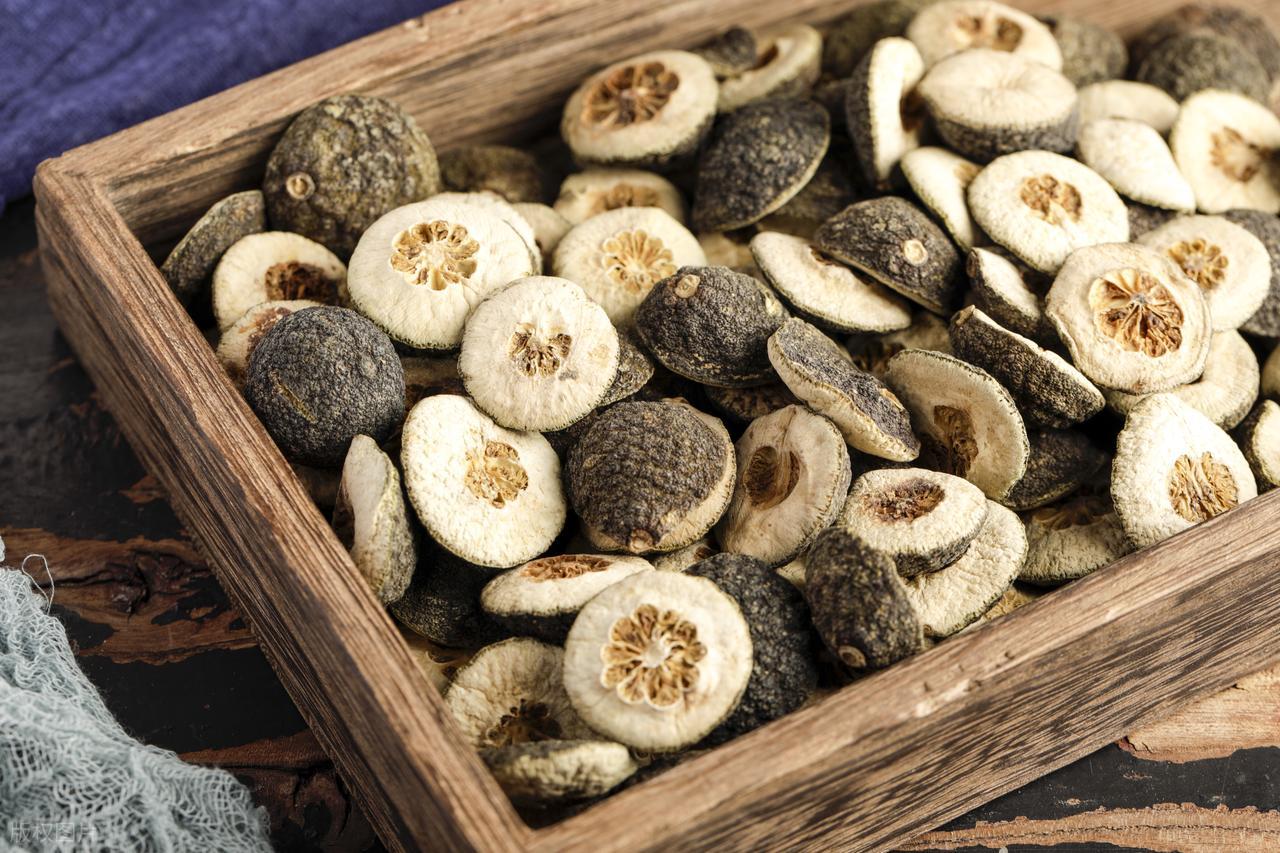
Fructus Aurantii Immaturus can push stagnant materials in the intestines downward, like giving the intestines a thorough cleanup; Rhizoma Atractylodis Macrocephalae has the effect of strengthening the spleen and replenishing qi, recharging the intestines. These two simple herbs, one descending turbid qi and one ascending clear qi, work together to revitalize the spleen and stomach, helping the intestines return to normal function.
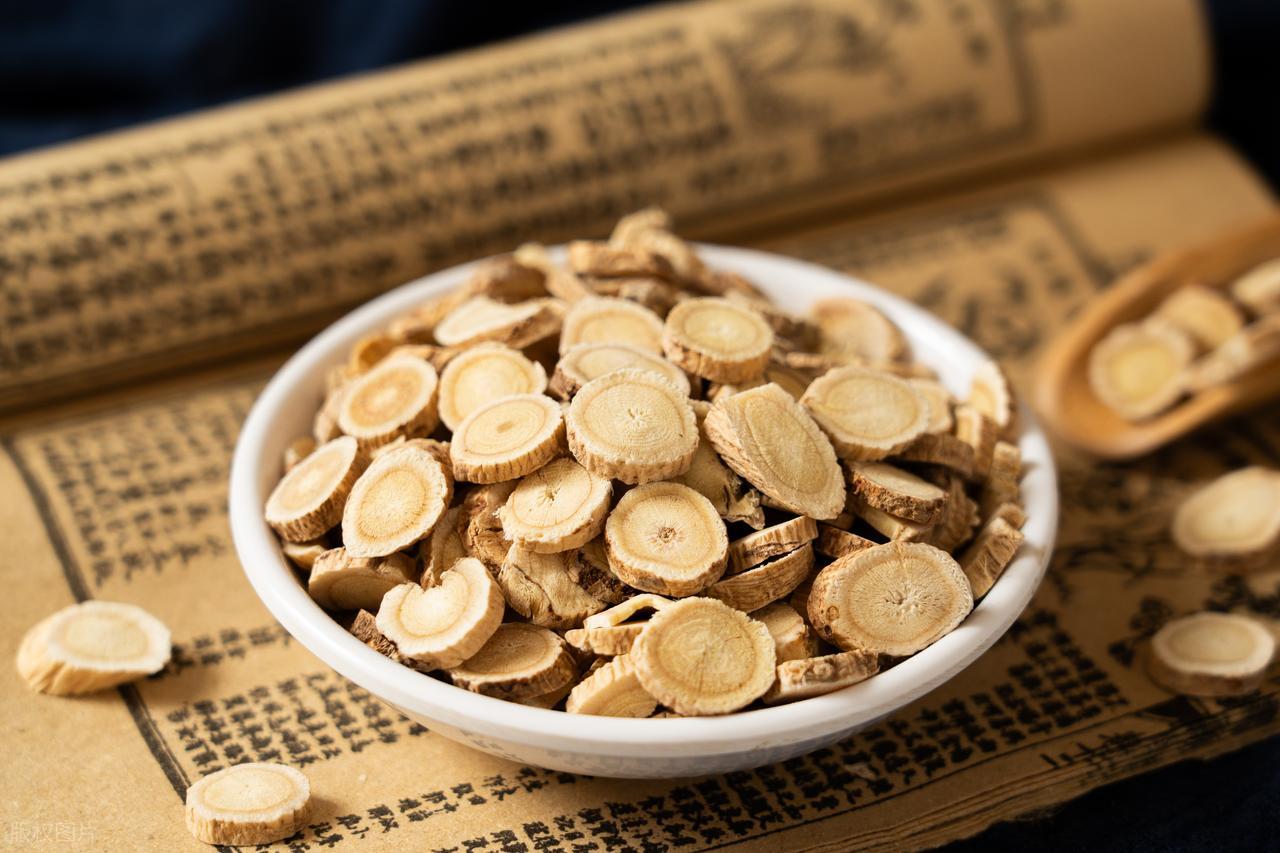
However, constipation manifests differently in everyone. If abdominal bloating is severe, add Magnolia officinalis and Aucklandia lappa to regulate qi; if the stool is dry like sheep pellets, add Cannabis seed and Prunus seed to moisten the intestines; if you often feel weak and short of breath, Astragalus root and Codonopsis pilosula can help replenish vital qi.
The content of this article is for knowledge sharing only. Traditional Chinese medicine emphasizes personalized prescriptions, as each person's constitution and symptoms vary. If you experience physical discomfort, be sure to consult a professional TCM practitioner for guidance—do not casually self-prescribe herbs. Used correctly, they are effective remedies; used incorrectly, they may harm your health.