Bloating immediately after eating? Fortifying the spleen is the foundation, but the key lies in soothing the liver! Traditional Chinese Medicine helps you soothe the liver, fortify the spleen, and relieve bloating
Have you ever encountered this kind of annoyance? Just a few bites into a meal, and your belly feels uncomfortably bloated, your stomach feels distended, and you keep burping and experiencing acid reflux? If it's always like this, you must pay serious attention to the matter of soothing the liver—it's more crucial than simply fortifying the spleen!
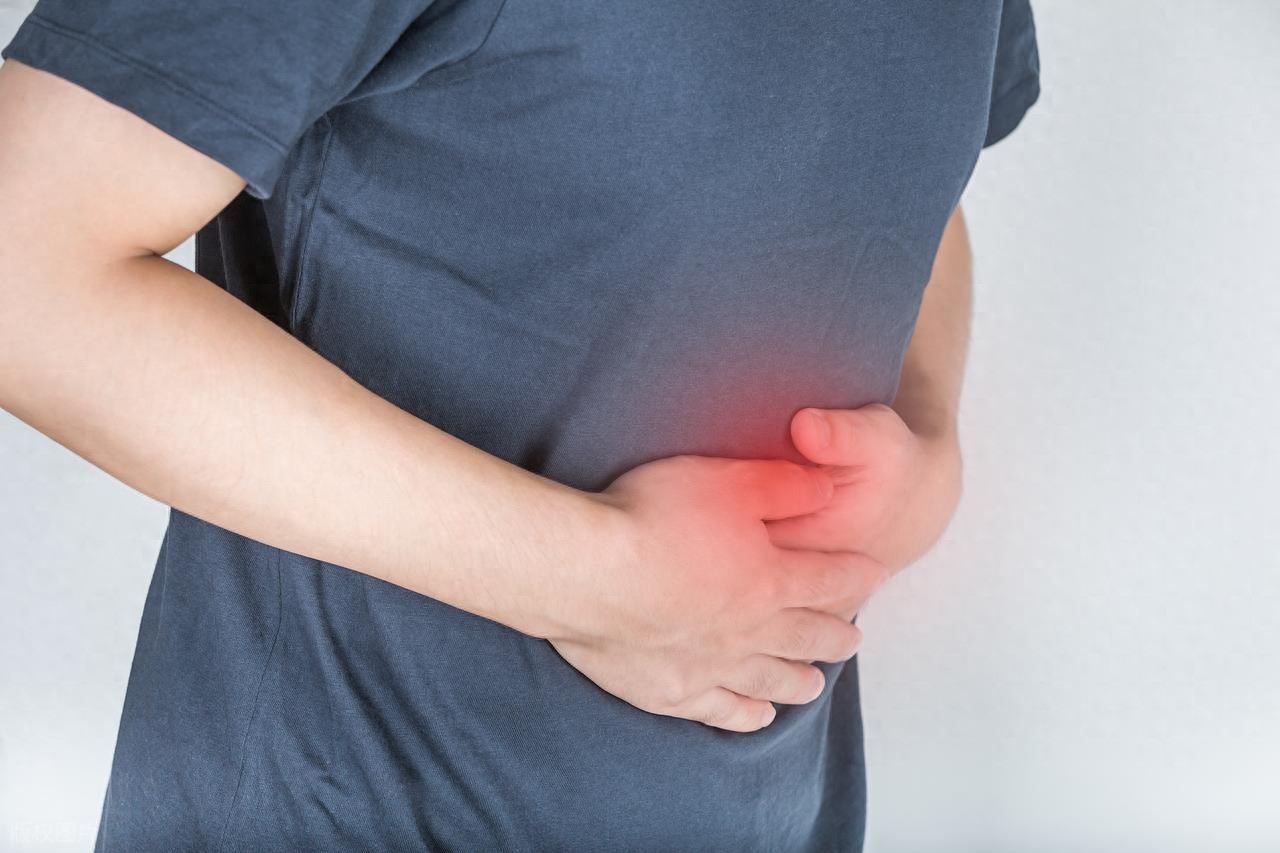
During clinical consultations, many friends with weak spleen and stomach conditions share common traits. They don't just have poor digestion; upon closer questioning, most are under constant stress or tend to bottle up their anger, with their emotions chronically tense. Traditional Chinese Medicine has long recognized that the liver and the spleen/stomach are like close neighbors, with a particularly intimate relationship. The liver governs the free flow of qi and regulates the movement of qi throughout the body. If one's emotional state is consistently poor, liver qi is prone to stagnation, much like a blocked water flow, which in turn affects the spleen and stomach's ability to digest food.
In reality, this is a common situation: after an argument or during times of high stress, you suddenly lose your appetite, your stomach rumbles, and you might even experience diarrhea. This is a manifestation of liver qi overwhelming the spleen and stomach. Over time, the function of the spleen and stomach weakens further. If you stick out your tongue and notice swelling on both sides, it’s likely a sign of liver stagnation.
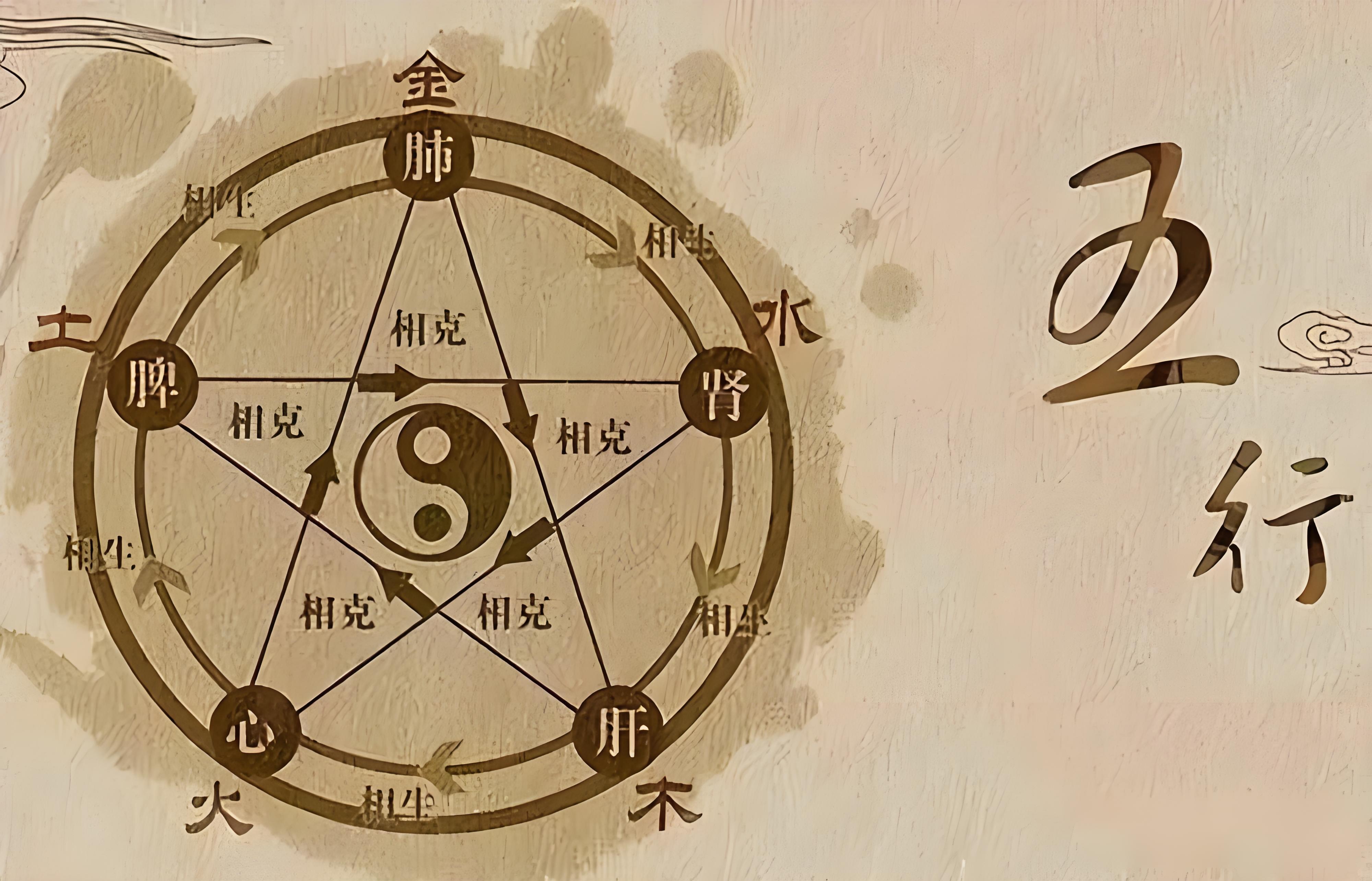
For such cases, simply strengthening the spleen during treatment is insufficient; it’s also essential to address liver qi stagnation. Let me share with you a traditional Chinese patent medicine—Shugan Jianwei Wan. In this formula, Xiangfu (Cyperus rotundus) and Chaihu (Bupleurum) are specifically responsible for regulating liver qi, helping to release pent-up stagnation; Houpo (Magnolia officinalis) and Chenpi (Citrus reticulata) assist in enhancing the digestive function of the spleen and stomach. If symptoms like bloating, belching, and acid reflux are caused by liver qi stagnation, this formula is quite suitable for regulation.
However, it’s important to note that discomfort in the spleen and stomach can stem from various causes. Some individuals cannot tolerate cold foods—eating something cold immediately leads to abdominal pain or diarrhea. This indicates a deficiency and cold in the spleen and stomach, requiring warming and tonifying methods for regulation. In such cases, taking Shugan Jianwei Wan would be ineffective. Therefore, before using any medication, it’s best to consult a professional TCM practitioner rather than blindly following trends when purchasing medicines.
The content of this article is intended for educational purposes in Traditional Chinese Medicine. I hope today’s sharing proves helpful. If you experience any physical discomfort, it is recommended to seek timely medical attention!