The weaker your qi and blood, the more prone you are to constipation! This single medicinal herb nourishes both qi and blood, easily solving constipation issues
Do you often experience constipation? Is it accompanied by easy fatigue, low spirits, and a pale complexion? From the perspective of Traditional Chinese Medicine, this is likely constipation caused by qi and blood deficiency.
In Traditional Chinese Medicine, qi functions to propel the intestines, moving stool downward; blood acts like a lubricant, responsible for moistening the intestines. If qi and blood are insufficient, the intestines lack both motive force and lubrication. As a result, stool naturally becomes dry and rough, making it difficult to pass.

This type of constipation is different from heatiness; it belongs to a deficiency syndrome and often presents with these symptoms: feeling listless all day, lacking energy, heaviness in the limbs, pale or sallow complexion, shortness of breath when climbing stairs, poor immunity, and susceptibility to colds during seasonal changes. Stools may be either dry and difficult to pass, or soft and loose but incomplete, with difficulty in defecation either way. In severe cases, there may even be sweating after bowel movements, leaving the person exhausted.
Do not indiscriminately use heat-clearing or laxative medications for this condition! Many laxative teas contain purgatives like senna leaves, which may help with bowel movements at the time but can further deplete already insufficient Qi and blood, as well as Yang energy. Over time, the more you drink, the weaker your body becomes. In fact, regulating and nourishing Qi and blood is sufficient. You may consider boiling Chinese angelica (Danggui) in water for consumption. This herb not only nourishes and invigorates blood but also promotes blood circulation and moistens the intestines to relieve constipation, making it very suitable for those with blood deficiency constipation.
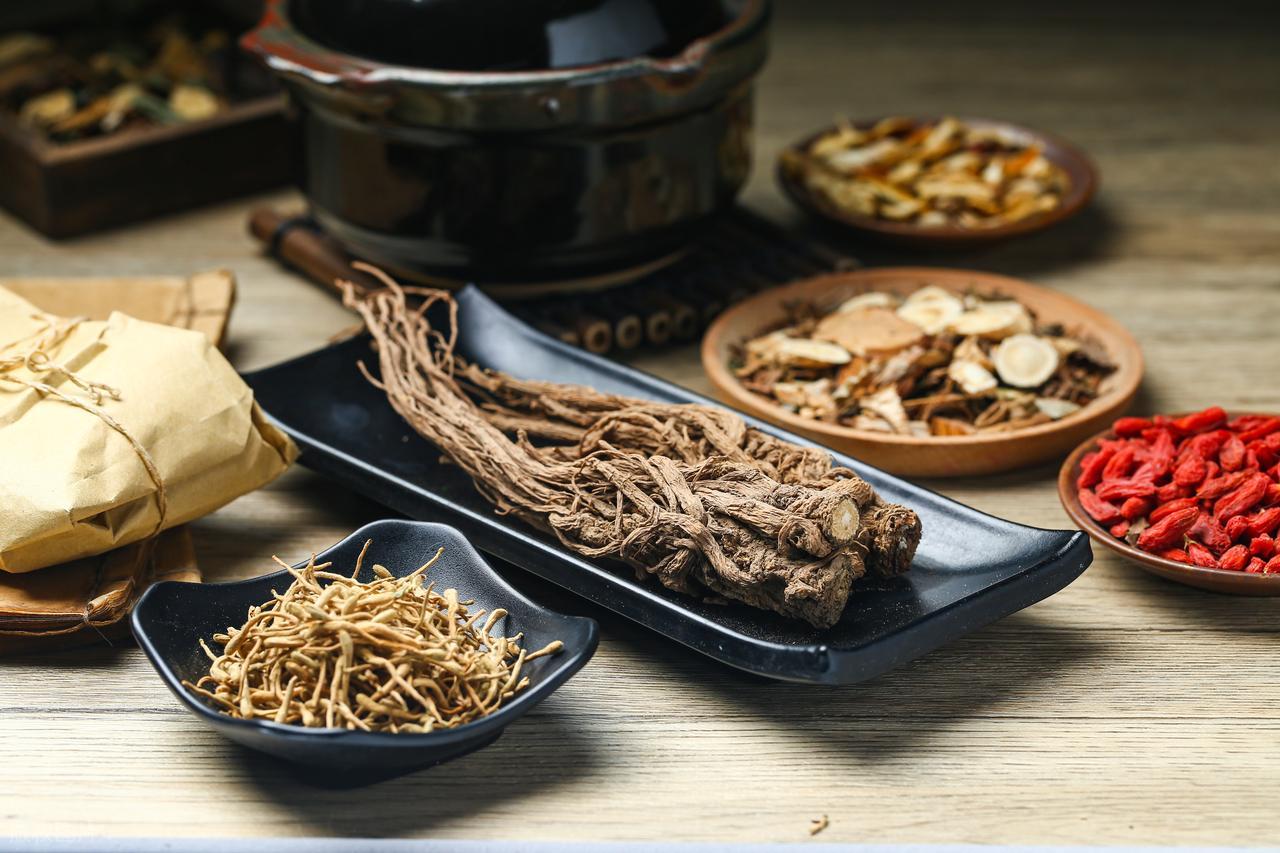
If Qi and blood deficiency is severe, using Chinese angelica (Danggui) alone may not be very effective. In such cases, consider using Runchang Wan to regulate the body. In addition to Chinese angelica (Danggui) for nourishing blood, this formula also includes raw Rehmannia root (Shengdihuang) to nourish Yin and moisten dryness. It also uses hemp seed (Huomaren) and peach kernel (Taoren) to lubricate the intestines, along with bitter orange (Zhiqiao) to guide Qi downward and help restore intestinal motility. If you also experience shortness of breath, fatigue, or lack of energy in speech, indicating a dual deficiency of Qi and blood, you can add Atractylodes macrocephala (Baizhu) and astragalus root (Huangqi) to nourish both Qi and blood for better results.
The content of this article is intended only as a popularization of traditional Chinese medicine knowledge. Each person has a different constitution, and the specific use of medications should be carefully determined based on syndrome differentiation. If you are unsure about your condition, be sure to seek medical attention promptly and avoid blindly taking medications on your own!